
Are you a travel agency looking to get more bookings and attract more clients? If so, you may want to consider advertising on Google Ads. With Google Ads, you can target potential clients who are actively searching for travel-related services, which can lead to more qualified leads and bookings for your business. But, how do you allocate your budgets in Google Ads to get the most bang for your buck? In this blog post, we’ll explore some tips and best practices to help you allocate your budgets effectively and get the most out of your Google Ads campaigns.
Understanding Your Campaign Objectives
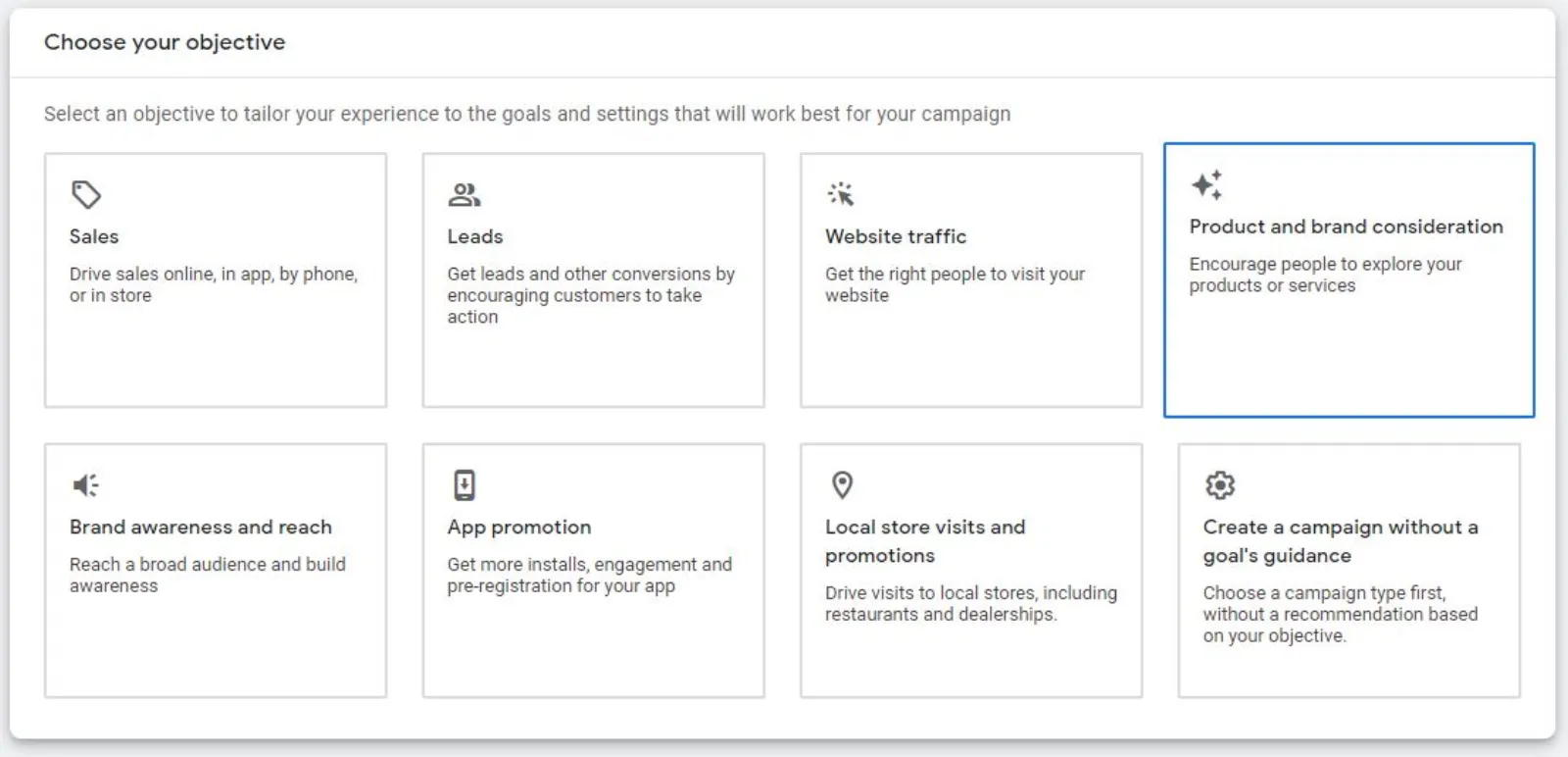
Before you start allocating your budgets, it’s important to understand your campaign objectives. Your objectives will dictate the type of campaigns you run and how you allocate your budgets. For example, if your objective is to generate brand awareness, you may want to allocate more of your budget towards display campaigns. On the other hand, if your objective is to drive bookings, you may want to allocate more of your budget towards search campaigns.

Get Found, Get Chosen, Get Your Time Back
A free one-day marketing seminar in Milton Keynes · 10 November 2026
Determining Your Maximum Cost Per Click
One of the key factors in determining how much you should spend on Google Ads is your maximum cost per click (CPC). Your maximum CPC is the most you’re willing to pay for a single click on your ad. You can use Google’s Keyword Planner tool to get an estimate of what your maximum CPC should be for your desired keywords. Once you have determined your maximum CPC, you can use it to calculate your daily budget. For example, if your maximum CPC is $2, and you want to get 100 clicks per day, your daily budget should be around $200.
Get your free Marketing Action PlanNot sure where to start? Answer a few questions and get your plan in about a minute. No email needed.
Get my plan →Creating Campaigns And Ad Groups
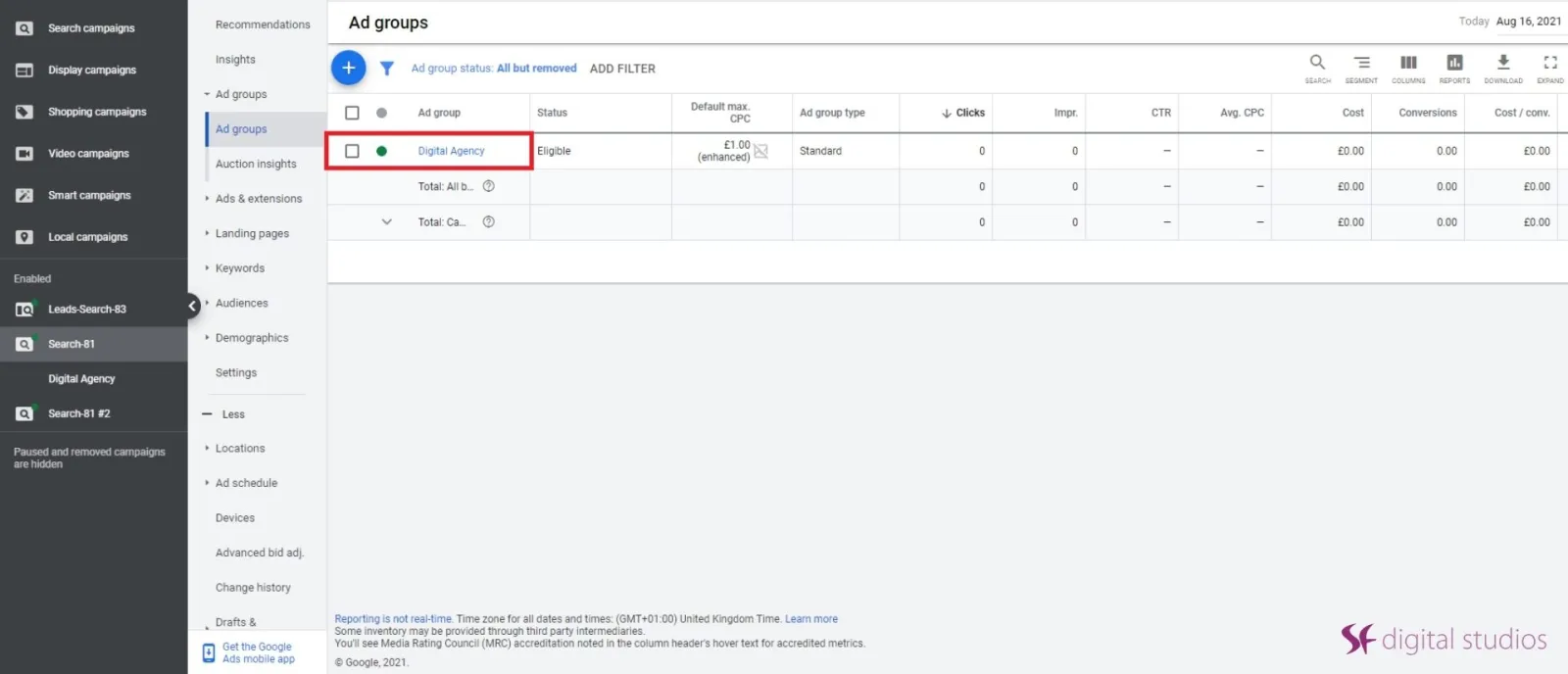
Once you have determined your campaign objectives and maximum CPC, you can start creating campaigns and ad groups. You should create separate campaigns for each of your objectives, and separate ad groups for each of your target keywords. This will help you to keep your campaigns organised and make it easier to allocate your budgets effectively. You should also create multiple ad variations for each ad group to test which ads are performing the best.
Allocating Your Budgets
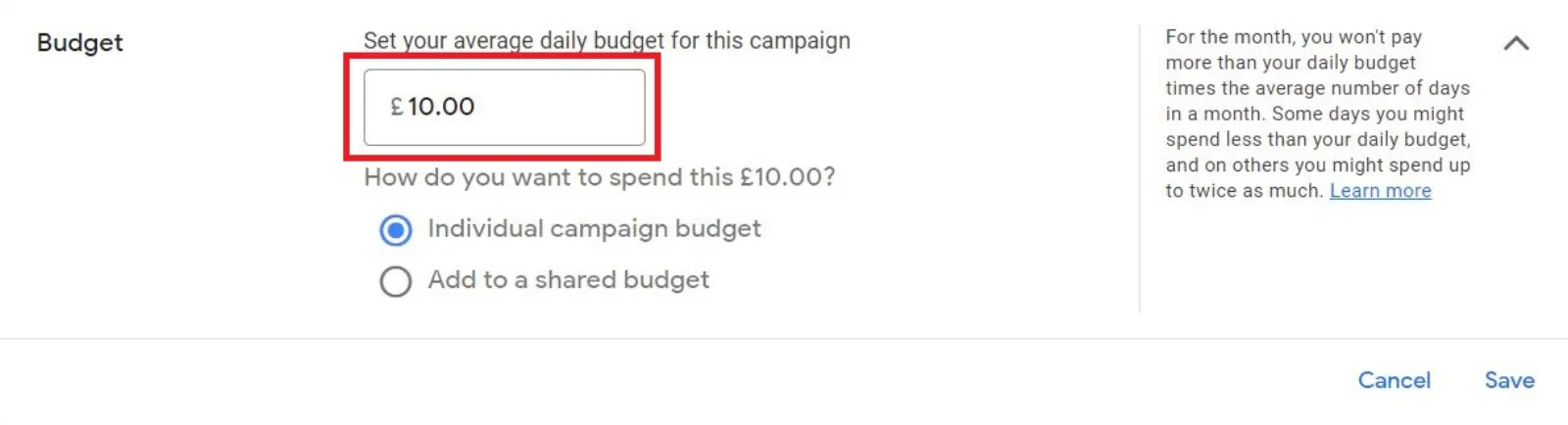
Now that you have created your campaigns and ad groups, it’s time to start allocating your budgets. You should allocate your budgets based on your campaign objectives and the performance of your ad groups. For example, if your objective is to generate brand awareness, you may want to allocate more of your budget towards display campaigns. If your objective is to drive bookings, you may want to allocate more of your budget towards search campaigns. You should also allocate your budgets based on the performance of your ad groups. For example, if one ad group is performing significantly better than others, you may want to allocate more of your budget towards that ad group.
 LIVE
Live every Tuesday at 2pm UK. Bring your marketing questions.
Get your Google, local SEO and AI questions answered live.
Monitoring Your Performance
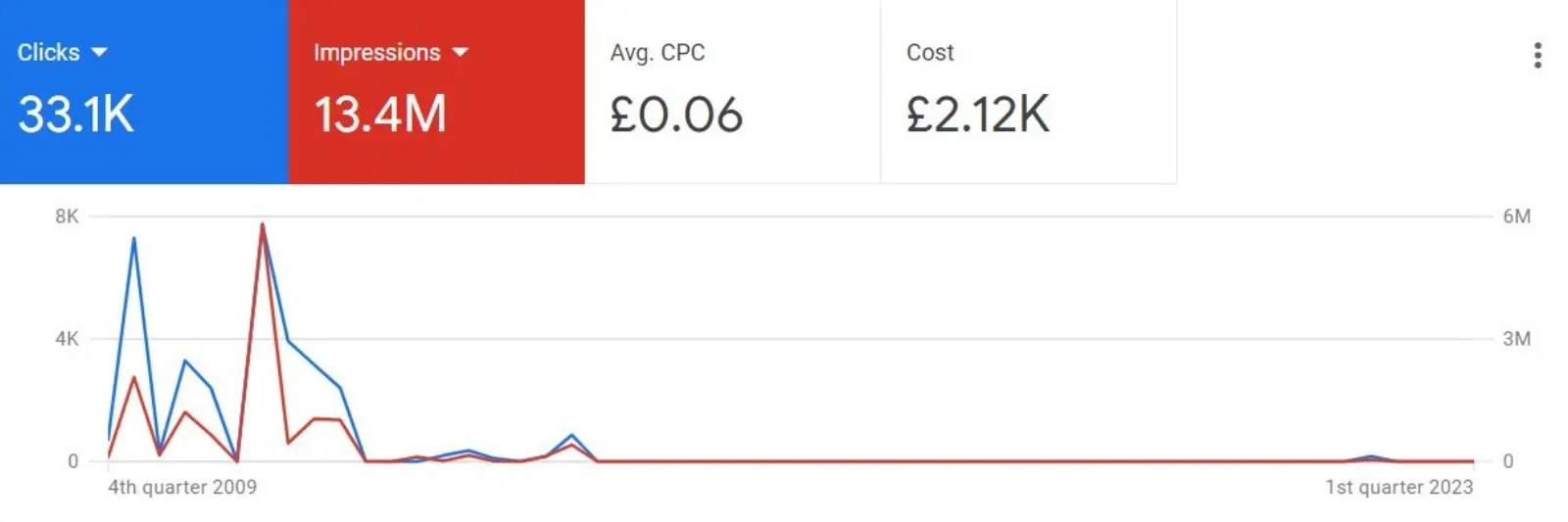
Once your campaigns are up and running, it’s important to monitor your performance closely. You should regularly check your campaigns to see how they are performing and make any necessary adjustments. You should also track your conversions to see how many bookings or leads you are generating from your ads. This will help you to determine whether your budgets are allocated effectively and whether you need to make any changes to your campaigns.
Best Practices For Budget Allocation
To help you get the most out of your Google Ads campaigns, here are some best practices for budget allocation:
- Set clear campaign objectives: Before you start allocating your budgets, make sure you have a clear understanding of your campaign objectives.
- Determine your maximum CPC: Use Google’s Keyword Planner tool to determine your maximum CPC, and use it to calculate your daily budget.
- Create separate campaigns and ad groups: Separate your campaigns and ad groups based on your objectives and target keywords
- Test and adjust your ads: Create multiple ad variations for each ad group, and regularly check the performance of your ads. Make adjustments as necessary to optimise your campaigns.
- Allocate your budgets based on performance: Allocate your budgets based on the performance of your campaigns and ad groups. If certain campaigns or ad groups are performing better than others, allocate more of your budget towards those areas.
- Monitor your performance regularly: Regularly monitor your campaigns to see how they are performing and make any necessary adjustments. Use data and analytics to guide your decision-making process.
- Use a mix of targeting options: Use a mix of targeting options, including geographic targeting, device targeting, and audience targeting, to ensure that your ads are reaching the right people.
By following these best practices, you can allocate your budgets effectively and get the most out of your Google Ads campaigns.
Conclusion
Advertising on Google Ads can be a powerful tool for travel agencies looking to attract more clients and generate more bookings. By understanding your campaign objectives, determining your maximum CPC, creating campaigns and ad groups, allocating your budgets effectively, and monitoring your performance, you can optimise your Google Ads campaigns and get the most out of your advertising budget.
If you’re looking for more tips and best practices for advertising on Google Ads, be sure to check out the Google Ads Help Center and the Google Ads Blog. And remember, advertising on Google Ads is an ongoing process that requires regular monitoring and adjustment. By staying up-to-date on the latest trends and best practices, you can continue to optimise your campaigns and achieve your business goals.

Written by Uzair Kharawala
Partner at SF Digital Studios, a Google Premier Partner agency. Uzair has been helping businesses grow with Google Ads since 2002 and teaches it every week on YouTube.
Get our best Google Ads tips by email
New articles and videos, straight to your inbox. Unsubscribe any time.