
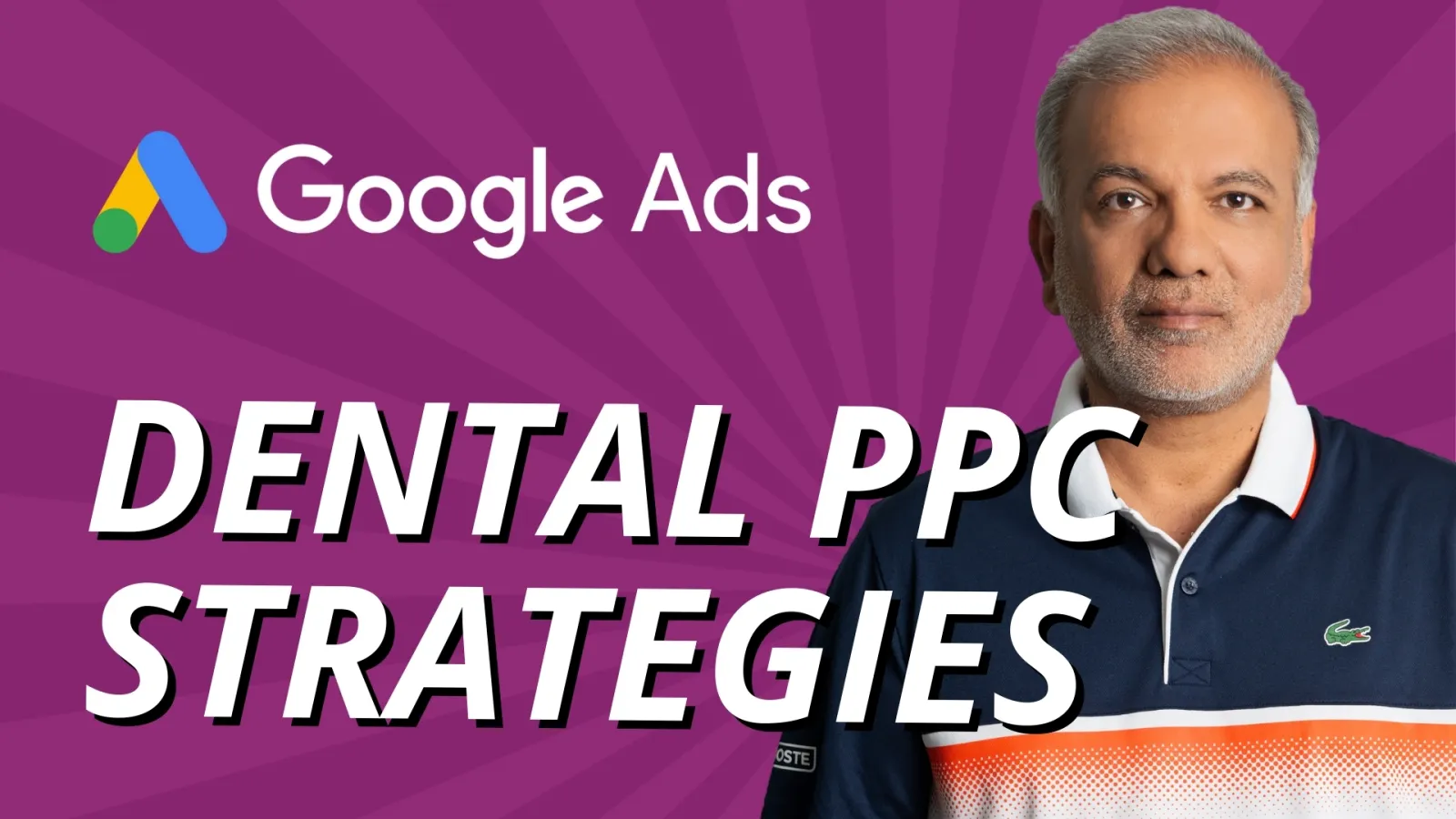
In this guide, we will explain how to improve your Google Ads campaign and strategy for complete, organic optimisation.
What is PPC?
PPC means Pay-per-click. It’s a type of online advertising and marketing where you or your business pays a fee for each time a user clicks on one of your ads. With this business strategy, you’re basically purchasing visits and traffic to your business website, rather than earning it organically.
Get Found, Get Chosen, Get Your Time Back
A free one-day marketing seminar in Milton Keynes · 10 November 2026
1. What’s your USP?
Honing in on your USP or unique selling point is often disregarded when setting up a PPC campaign. The bottom line of your search campaign is you need your ads to attract customers and potential patients. But before that, you need to establish a USP for your practice, what makes it better than the rest?
Get your free Marketing Action PlanNot sure where to start? Answer a few questions and get your plan in about a minute. No email needed.
Get my plan →Think about what differentiates your practice from competitors and add these benefits into your ad copy and messaging.
2. Keep your ad account organised
Keeping your Google Ads dashboard and account tidy and organised is critical.
When you possess an organised account, it leads to:
- Lower cost-per-click bids
- Low-risk, high-reward experimental campaigns
- Better tracking and reporting results
- Less time spent managing your account
When creating a new account, these four things will be the best place to start out:
- Campaign type
- Networks
- Device options
- Bid strategy
3. Target the right keywords
Focus on two important keyword tips:
- Test location based keywords
- Test localised nice keywords
Location-Based Keywords
 LIVE
Live every Tuesday at 2pm UK. Bring your marketing questions.
Get your Google, local SEO and AI questions answered live.
Location-based searches within the Google search page have grown in popularity in recent years. Running campaigns with general location-based keywords should be a key factor in your PPC strategy.
Localised Niche Keywords
These types of keywords are more specific search phrases that usually don’t have the same kind of search volume as location-based keywords. These can be a benefit due to less competition, lower cost-per-click and better return on investment.
4. Using Ad Extensions to maximise character limits
Unfortunately, PPC ads have a shorter character limit compared to others. You will need to perfect your copywriting skills and get creative to make sure you get all your information within the character limit.
Thankfully, Google offers a small trick to help make this easier, Ad Extensions. Google Ads allows you to increase the length of your ad with valuable information. Some of these extension options include:
- Links to specific pages below your ad
- Phone number
- Special offers callouts
- Address
- Google reviews rating
5. Optimise your ad for potential phone calls
A little tip: Ad clicks cost you and your business money, phone calls are free.
You can boost your ROI if a customer sees your ad and calls your business number without ever clicking. If you want your customer to make this route, here’s how:
- Make sure your business phone number is featured in all your ads
- Feature your call extensions only when your office is open. When your office is closed, no one will be there so you don’t want customers ringing when it’s not office hours.
- Use a call tracking program that allows your business to connect the dots between a phone call and the specific Google Ads campaign.
6. Create effective landing pages
We have a lot of blogs on landing pages for Google Ads so check them out! Your business landing page is to help make the conversion for customers easier.
7. Always be testing, tracking and adapting
Testing and tracking is a key part of creating an effective PPC ad strategy, especially as a dental company or business. You need to identify your KPIs for your ads, track results, and make changes along the way. You should be tracking:
- Number of clicks
- Cost per click
- Form submissions
- Driving directions
- Phone calls
- Keyword rankings
And there you have it, our complete guide on how to improve your Google Ads and Dental PPC strategies.

Written by Uzair Kharawala
Partner at SF Digital Studios, a Google Premier Partner agency. Uzair has been helping businesses grow with Google Ads since 2002 and teaches it every week on YouTube.
Get our best Google Ads tips by email
New articles and videos, straight to your inbox. Unsubscribe any time.