
NatWest Accelerator Events Free one-day marketing seminar at the NatWest Accelerator, Milton Keynes · 10 November 2026 Free marketing seminar · NatWest Accelerator, Milton Keynes · 10 Nov 2026 Free seminar · 10 Nov 2026
NatWest Accelerator, MK
Get your free invite →Invite →

Home › Blog › Google Ads

Google Ads

Why You Should Link Google Ads with Google Analytics

Why You Should Link Google Ads with Google Analytics
Read the video transcript

Google investigated over a thousand of users' click stream data as part of an opt-in panel. They found that no two user journeys were the same, for example, a user might have been prompted to consider a new mattress by a friend, mentioning a specific brand. This user would look for YouTube reviews on the phone, this could lead to the user coming across other mattress brands, and researching them as well.

Eventually after researching a while, the actual purchase might be made on a desktop device, other users would avoid YouTube altogether and mostly rely on finding organic resources via the search engine. User journeys, as Google found, would vary from hundreds of digital touch points over a week, or even double that for a whole month. Not only the idiosyncrasy of user journeys creates complexity, but also the switching between the devices and the multitude of platforms and channels.

It's almost impossible to determine beforehand that the user presented with a display ad, needs to be dished up a brand awareness message, or that the user on the search landscape needs to be presented with a conversion focused ad. This is the challenge for marketers, especially considering raising concerns about how much is being tracked of users online. Insights are the key to survive.

The key is letting go of traditional assumptions and letting insights lead the way. Marketing leaders compared to laggards are 1.5 times more likely to refresh their marketing metrics, at least weekly. According to research, Google had conducted with Bain and company, insights need to be shared across all relevant teams, so there is a single source of truth. Being able to collect, analyse, classify, and utilise data has become paramount, targeting the right person, at the right time, with the right message, is the only way to reach the high bar consumers are setting for advertisers.

This is where Google analytics and Google Ads hit a sweet spot. Google Analytics excels at gaining a deeper understanding of your consumers, your website and how your customers engage with you. Google Ads help you promote your products and services across Google's key platforms, such as Google search, YouTube and partner sites and apps. It's nearly impossible for your customers not to be able to reach across any of Google's properties.

Combining Google analytics and Google Ads gives you a whole new layer of insights, based on which you can optimise media buying decisions. For example, only focusing on campaigns that lead to a sale can create a selection bias that in the long run will only champion campaigns that are extremely low down in the funnel, but completely ignores campaigns that might be beneficial for consumers to help them choose your brand.

Integration of Google analytics and ads unlocks these insights, and helps you set the right bids for each segment of traffic, Google analytics, and ads also work in tandem to offer dynamic audience list creation. Think of users that had put a few items in their basket, crossing a certain basket value, and not finishing the purchase. You might want to retarget those users with an ad message, to convince them to go back and complete the purchase funnel.

Another benefit of linking Google analytics and ads is the added bonus of having advanced machine learning unleashed on your marketing campaigns. If you feel that the process of creating audience lists and setting up campaigns to re-target them is too much time you don't have, then Google offers other options. Take Smart list for example, these lists are automatically generated in Google analytics and represent the likely to convert audience.

Being able to use these lists on Google Ads is as simple as linking it with Google analytics. You have now created a platform that gathers information in a meaningful way, ready for you to analyze, understand and use to improve your media buy and ad messaging. Use the ABC to get the most out of the platform that is acquisition, behaviour and conversion.

Acquisition reports in Google analytics give you a full spectrum view of your traffic channels, and the holistic view of how they operate in tandem. It's great for understanding overall trends and checking assumptions. Behaviour reports in Google analytics, such as site content, and events, give you more insight into user behaviour on site. Here is where you can compare how certain pages and sections of the site are doing, comparing how a specific segment of the site is doing versus another, that both received paid search traffic, can unlock valuable insight.

Conversion reports in Google analytics are extremely valuable in understanding user floors, and gaining insight into your e-commerce performance, if applicable. It's extremely tough nowadays to meet consumers’ expectations, idiosyncrasy and complexity do not help, and it's not only big ticket items that required the marketer to bring it's A game, but it's also even smaller ticket items. Marketers must consider all the touch points, and have the stamina to cater to the whole journey, and not just a small part.

Linking Google analytics and Google Ads helps advertisers to navigate the complexities, and help them come out on top. Please do share your thoughts and insights as to how you use Google Ads with Google analytics, in the comments below. Thanks for watching this video, bye for now.

linking google ads and google analytics

The Power Couple – Google Ads and Google Analytics

Google investigated over a thousand of users’ clickstream data (information about their online comings and goings) as part of an opt-in panel. They found that no two user journeys were the same. For example, a user might have been prompted to consider a new mattress by a friend mentioning a specific brand. This user would look for YouTube reviews on their phone. This could lead to the user coming across other mattress brands and researching them as well.

Eventually, after researching a while, the actual purchase might be made on a desktop device. Other users would avoid Youtube altogether and mostly rely on finding organic resources via the search engine. User journeys, as Google found, would vary from 100s of (digital) touchpoints over a week, or even double that for a whole month.

Free NatWest Accelerator event

Get Found, Get Chosen, Get Your Time Back

A free one-day marketing seminar in Milton Keynes · 10 November 2026

Get your free invite →

Not only the idiosyncrasy of user journeys creates complexity, but also the switching between devices and the multitude of platforms and channels. It’s almost impossible to determine beforehand that a user presented a display ad needs to be dished up a brand awareness message or that a user on the search landscape needs to be presented with a conversion-focused ad. This is the challenge for marketers, especially considering raising concerns about how much is being tracked of users online.

Get your free Marketing Action PlanNot sure where to start? Answer a few questions and get your plan in about a minute. No email needed.

Get my plan →

why link google adwords and google analytics

Insights are the Key to Survive 

The key is letting go of traditional assumptions and letting insights lead the way. Marketing leaders compared to laggards are 1.7x more likely to refresh their marketing metrics at least weekly, according to research Google had conducted with Bain & Company. Insights need to be shared across all relevant teams, so there is a single source of truth. Being able to collect (and are allowed to collect), analyse, classify and utilise data has become paramount. Targeting the right person, at the right time, with the right message; it’s the only way to reach the high bar consumers are setting for advertisers.

This is where Google Analytics and Google Ads hit a sweet spot. Google Analytics excels at gaining a deeper understanding of your consumers, your website and how your customers engage with you. Google Ads helps you promote your products and services across Google’s key platforms such as Google Search, YouTube and partner sites and apps. It’s nearly impossible for your customers not to be across any of Google’s properties.

The Benefits of Linking Google Analytics and Google Ads

Combining Google Analytics and Google Ads gives you a whole new layer of insights based on which you can optimise media buying decisions. For example, only focusing on campaigns that lead to a sale can create a selection bias that in the long run will only champion campaigns that are extremely low down in the funnel, but completely ignores campaigns that might be beneficial for consumers to help them choose your brand. Integration of Google Analytics and Ads unlocks these insights and helps you set the right bids for each segment of traffic.

Google Analytics and Ads also work in tandem to offer dynamic audience list creation. Think of users that had put a few items in their basket, crossing a certain basket value but not finishing their purchase. You might want to retarget those users with an ad message to convince them to go back and complete the purchase funnel.

Uzair KharawalaLIVE
Free weekly YouTube live

Live every Tuesday at 2pm UK. Bring your marketing questions.

Get your Google, local SEO and AI questions answered live.

Join for free

Another benefit of linking Google Analytics and Google Ads is the added bonus of having advanced machine learning unleashed on your marketing campaigns. If you feel that the process of creating audience lists and setting up campaigns to retarget them is too much time you don’t have, then Google offers other options. Take Smart Lists, for example. These lists are automatically generated in Google Analytics and represent the ‘likely to convert’ audience. Being able to use these lists on Google Ads is as simple as linking it with Google Analytics.

How to Link Google Analytics and Google Ads

Linking your Google Analytics and Google Ads is extremely simple. All you need is admin access to both your Google Analytics and Google Ads account.
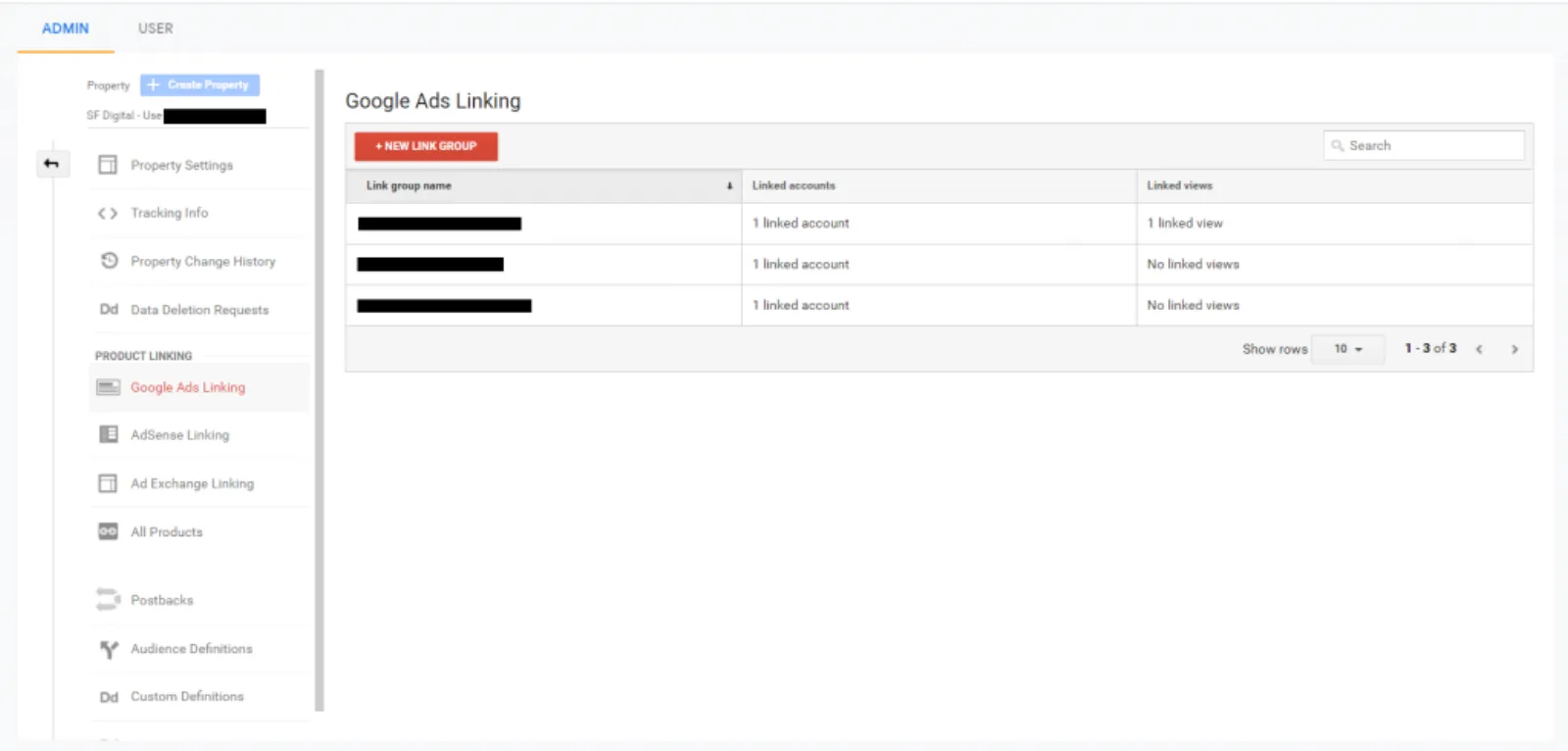
How to Link Google Analytics and Google Ads
  1. Sign in to your Google Analytics account
  2. Go to the “Property” column and click “Google Ads linking”.
  3. Click “+New Link Group.”
  4. Select the Google Ads account(s) you want to link and click “Continue.”
  5. Turn linking “On” for the Google Analytics view(s) you want to use
  6. Click “Link Accounts”

You are now ready to benefit from the power of integrating Google Analytics and Google Ads. Additionally activating the following features will help maximise that value.

  1. Turning on “Auto-tagging” in Google Ads so all paid clicks will be properly registered in Google Analytics
  2. Enabling cross-device capabilities in Google Analytics by activating “Google signals.”
  3. Create audiences in Google Analytics next to the preconfigured and Smart list ones
  4. Create relevant goals in Google Analytics and import those in Google Ads 

Using the insights from Google Analytics

By doing all this, you have now created a platform that gathers information in a meaningful way, ready for you to analyse, understand and use to improve your media buy and ad messaging. Use the A-B-C acronym to get the most out of the platform: Acquisition, Behaviour and Conversion. 
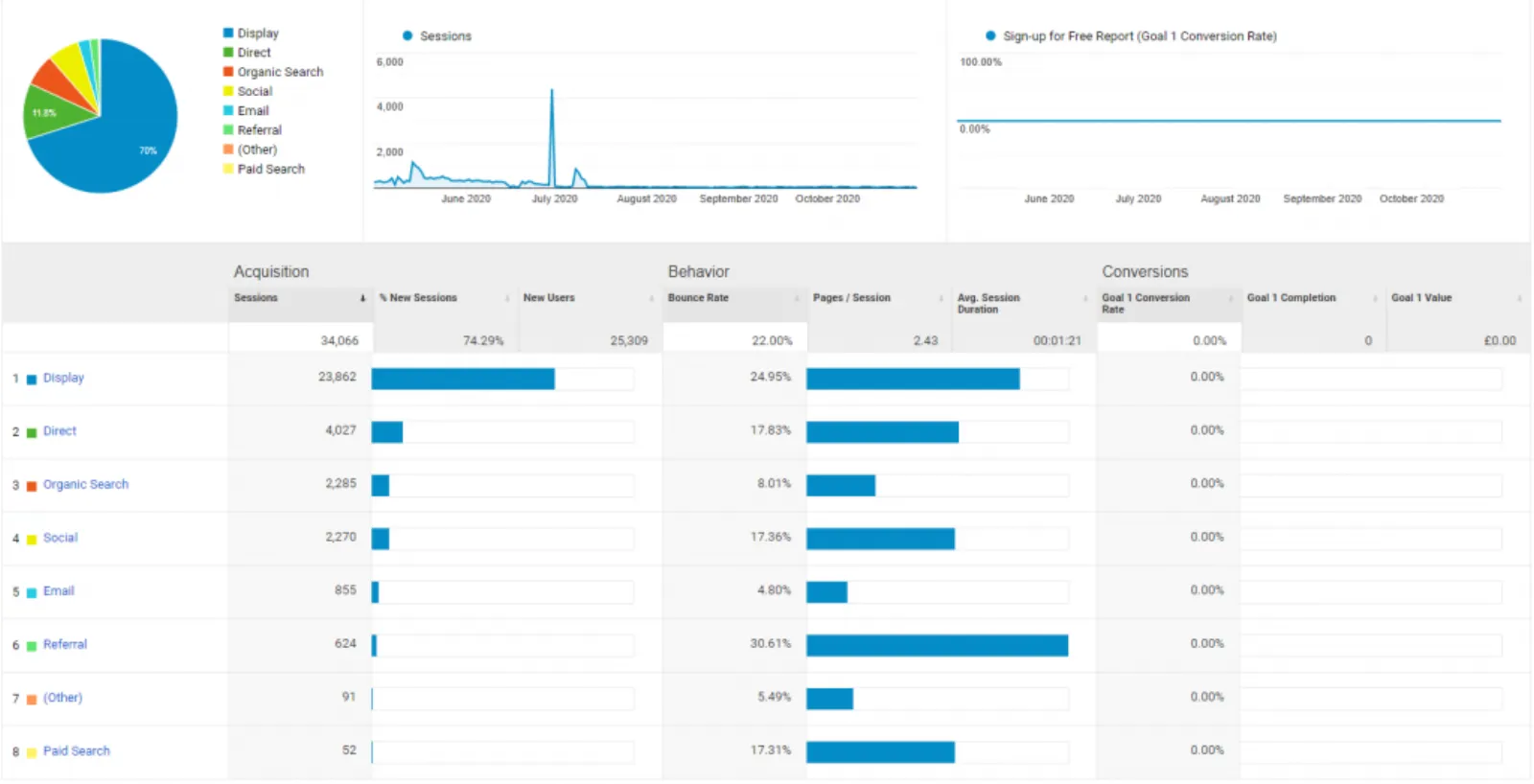
Acquisition reports in Google Analytics

Acquisition reports in Google Analytics give you a full spectrum view of your traffic channels and a holistic view of how they operate in tandem. It’s great for understanding overall trends and checking assumptions.

Behaviour reports in Google Analytics, such as Site content and Events, give you more insight into user behaviour on-site. Here is where you can compare how certain pages and sections of the site are doing. Comparing how a specific segment of the site is doing versus another, that both receive paid search traffic can unlock valuable insight.
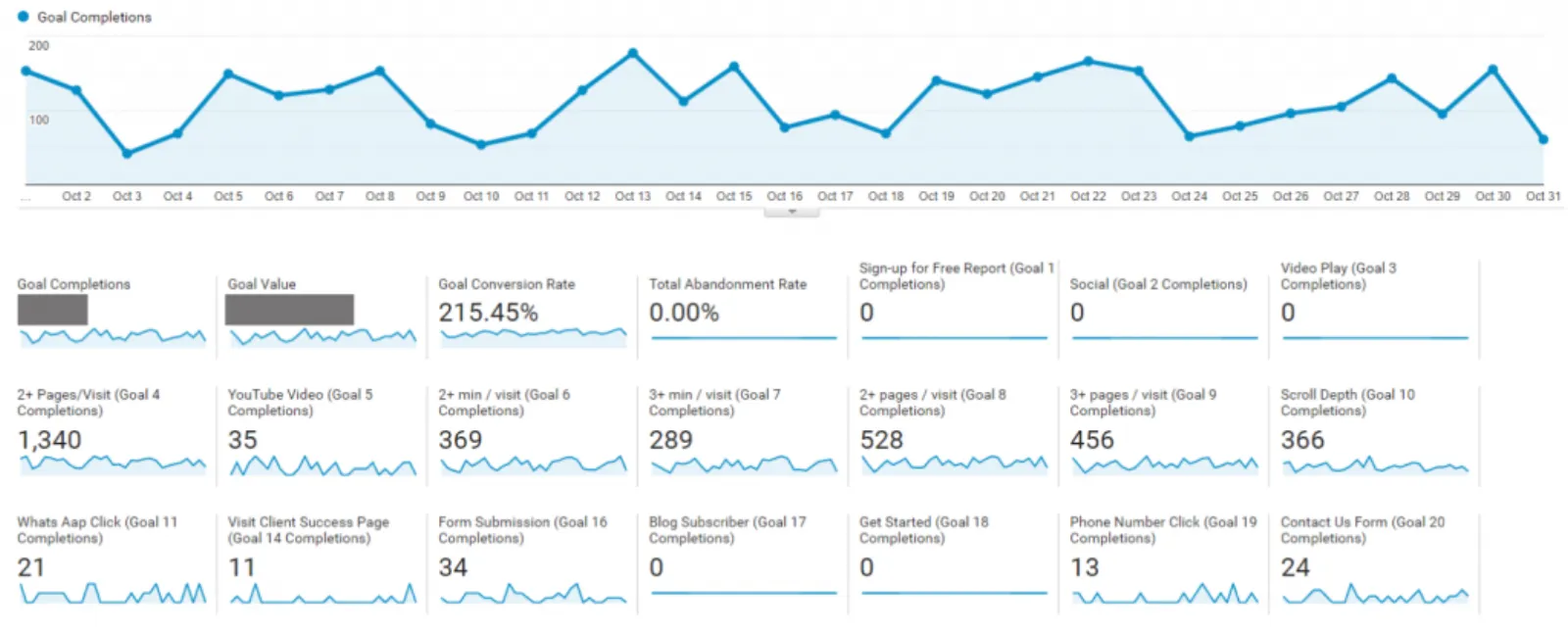
Conversion reports in Google Analytics

Conversion reports in Google Analytics are extremely valuable in understanding user flows and gaining insight into your eCommerce performance (if applicable).

Conclusion

It’s extremely tough nowadays to meet consumer’s expectations. Idiosyncrasy and complexity do not help. And it’s not only big-ticket items that require the marketer to bring its A-game, but it’s also even smaller ticket items. Marketers must consider all the touchpoints and have the stamina to cater to the whole journey and not just a small part. Linking Google Analytics and Google Ads helps advertisers to navigate the complexities and help them come out on top. Read more here.

Uzair Kharawala

Written by Uzair Kharawala

Partner at SF Digital Studios, a Google Premier Partner agency. Uzair has been helping businesses grow with Google Ads since 2002 and teaches it every week on YouTube.

Book A Call →Subscribe on YouTube for new videos every weekday →
Free every week

Get our best Google Ads tips by email

New articles and videos, straight to your inbox. Unsubscribe any time.

We respect your privacy at all times. Privacy Policy

You may also like

Read the blog →

Your next customers are out there. Let's go and get them.

Tell us where you want your business to be, and we'll show you how to get there.

Book A Call →or get your free Google Health Check →
Happy clients

Don't take our word for it

4.9 from 157 Google reviews, plus case studies and client videos.

See our happy clients →
"It has now been 3 months since we started and our sales have increased 300%."
Ruhi Latif Rafplay, Dubai
"Uzair and Farzana are two of the most honest, sincere and trustworthy people you will ever meet."
Gavin Morgan GDM Jewellery · Google review
"If I needed a campaign built, this is one of the rare few people IN THE WORLD I would trust to do it properly."
Hemmel Amrania Google Ads professional · Google review
Book A Call →
Chat with us on WhatsApp