

In the realm of online advertising, businesses are constantly seeking ways to optimise their ad campaigns and improve their return on investment (ROI). One common strategy employed by advertisers is the use of negative keywords, which help refine ad targeting and ensure ads are shown to the most relevant audience. However, there is often confusion around whether it is possible to combine individual negative keywords with negative dynamic ad targets. In this blog post, we will explore this topic and shed light on how advertisers can utilise both strategies to enhance their ad campaigns.
Understanding Negative Keywords
Negative keywords are specific terms or phrases that advertisers can exclude from triggering their ads. By utilising negative keywords, advertisers can prevent their ads from appearing in search results when users include those terms in their queries. For instance, if a business sells premium products and wants to avoid displaying ads to users searching for “cheap” or “budget” items, they can add “cheap” and “budget” as negative keywords. This ensures their ads are not displayed to an audience looking for lower-priced alternatives.
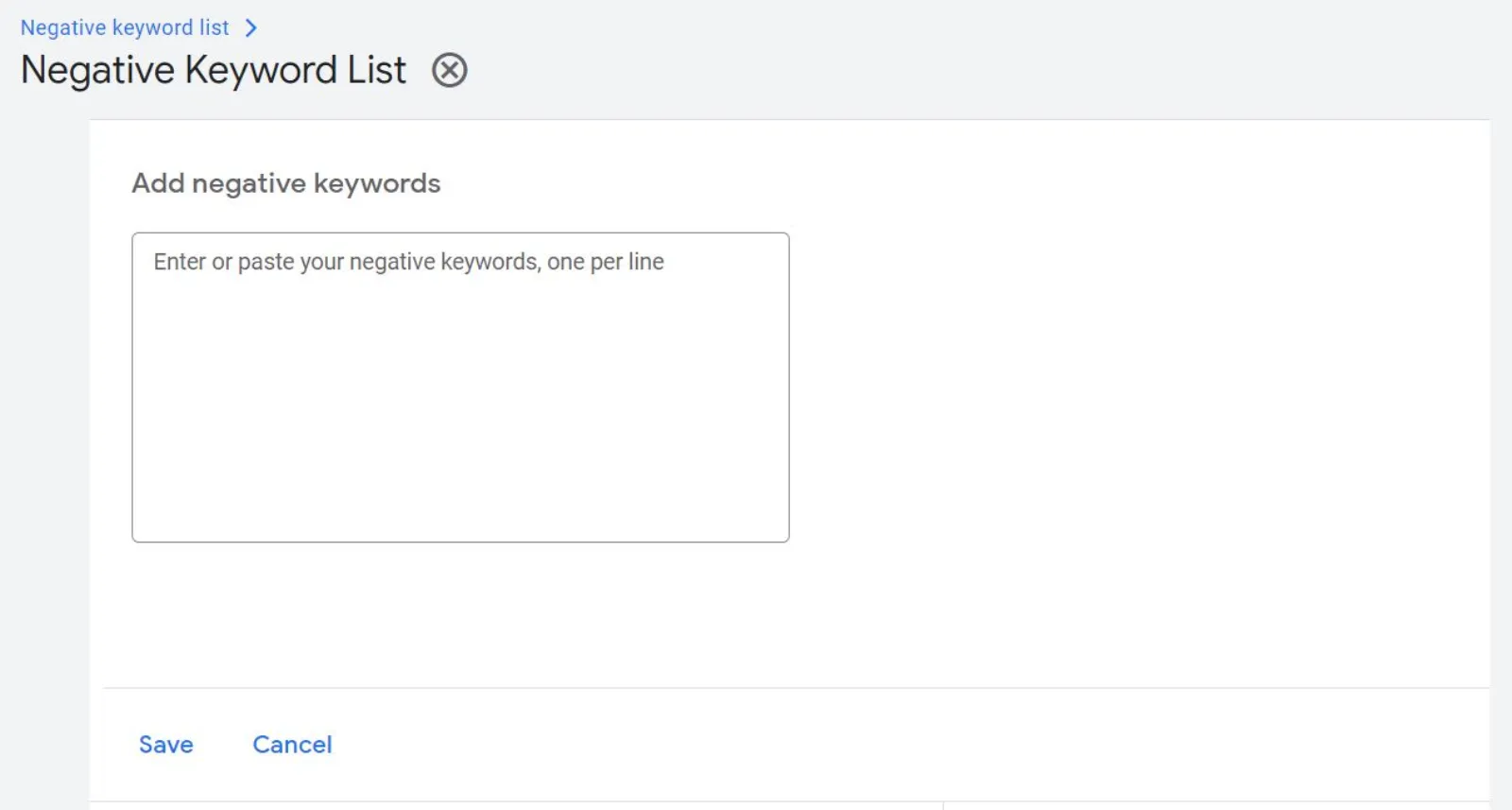
The Power Of Negative Dynamic Ad Targets
Negative dynamic ad targets, on the other hand, enable advertisers to exclude their ads from being shown to users who are less likely to convert. This targeting option utilises real-time data to identify users who are less likely to engage or convert based on factors such as demographics, device type, or browsing behaviour. By excluding these users, advertisers can focus their ad spend on audiences with higher conversion potential, ultimately maximising their ROI.
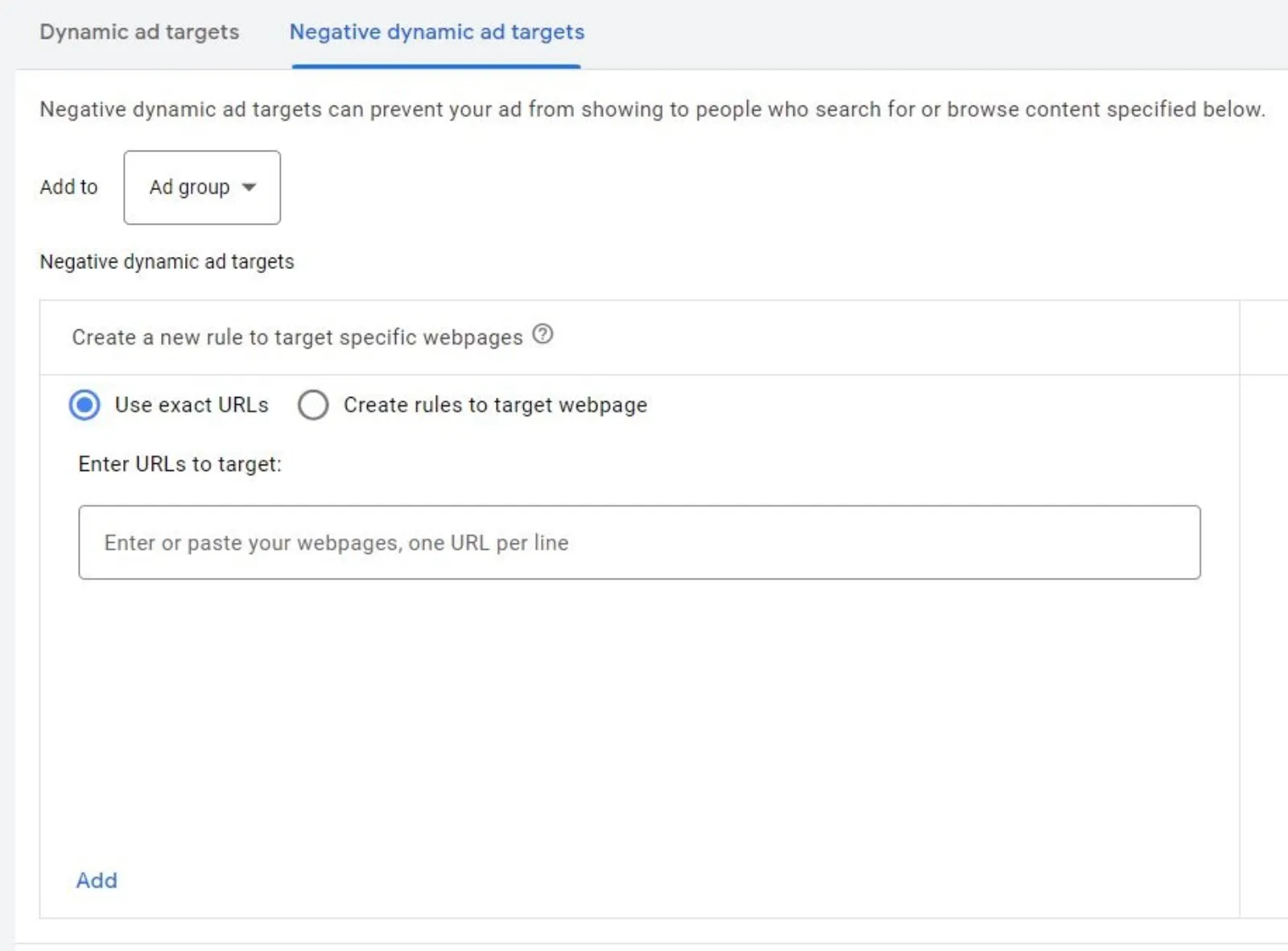
Combining Individual Negatives And Negative Dynamic Ad Targets
Can we use both individual negative keywords and negative dynamic ad targets in the same campaign? The answer is a resounding yes! Combining these two strategies can significantly enhance the targeting precision of ad campaigns and yield better results. Here’s how you can leverage both approaches simultaneously:
- Analyse your ad campaign data to identify common themes or patterns among the audience segments that are less likely to convert. This could include specific keywords, demographics, or browsing behaviour.
- Once you’ve identified these themes, incorporate them as individual negative keywords in your ad campaign. By excluding these terms, you can avoid wasting ad impressions on users who are unlikely to convert.
- Simultaneously, take advantage of negative dynamic ad targets to exclude users based on real-time data. For example, if you observe that mobile users have a significantly lower conversion rate compared to desktop users, you can set a negative dynamic ad target for mobile devices.
- Regularly monitor the performance of your ad campaign and make adjustments as necessary. Refine your list of negative keywords and dynamic ad targets based on the data and insights gathered over time. This iterative process will help you fine-tune your targeting strategy and drive better results.
Conclusion
By combining individual negative keywords and negative dynamic ad targets, advertisers can refine their ad targeting and improve the effectiveness of their campaigns. This approach allows businesses to maximise their ad spend by reaching the most relevant and valuable audiences while excluding those with a lower likelihood of conversion. To succeed in today’s competitive digital landscape, advertisers should embrace the power of both strategies and continuously optimise their campaigns based on real-time data and insights.

Written by Uzair Kharawala
Founder of SF Digital Studios, a Google Premier Partner agency. Uzair has been helping businesses grow with Google Ads since 2002 and teaches it every week on YouTube.
Get our best Google Ads tips by email
New articles and videos, straight to your inbox. Unsubscribe any time.