

When it comes to online advertising, choosing the right ad format can be a game-changer. With the growing demand for more personalised and effective ads, responsive display ads have become a popular choice. But what makes these ads so versatile, and how do they work across both native and non-native inventory? Let’s break it down.
What Are Responsive Display Ads?
Responsive display ads (RDAs) are a dynamic type of display ad that automatically adjusts to fit various ad spaces across the web. Unlike static image ads, RDAs can adapt to different sizes, formats, and platforms. They typically include a combination of headlines, descriptions, images, and logos that automatically adjust to the specific inventory they are placed in.

Get Found, Get Chosen, Get Your Time Back
A free one-day marketing seminar in Milton Keynes · 10 November 2026
Native vs Non-Native Inventory

Before we dive into why RDAs work in both native and non-native inventory, let’s understand the difference between the two.
Get your free Marketing Action PlanNot sure where to start? Answer a few questions and get your plan in about a minute. No email needed.
 LIVE
Live every Tuesday at 2pm UK. Bring your marketing questions.
Get your Google, local SEO and AI questions answered live.
- Native Inventory: Native ads blend seamlessly with the content of a website or app. They are designed to look like part of the user experience, matching the design and style of the surrounding content. Think of sponsored content in your social media feed or in-line ads in articles.
- Non-Native Inventory: Non-native ads, on the other hand, stand out more and are usually placed as banners, pop-ups, or sidebar ads. They don’t match the design of the website or app they appear on and tend to be more intrusive.
Why Do Responsive Display Ads Work in Both Formats?
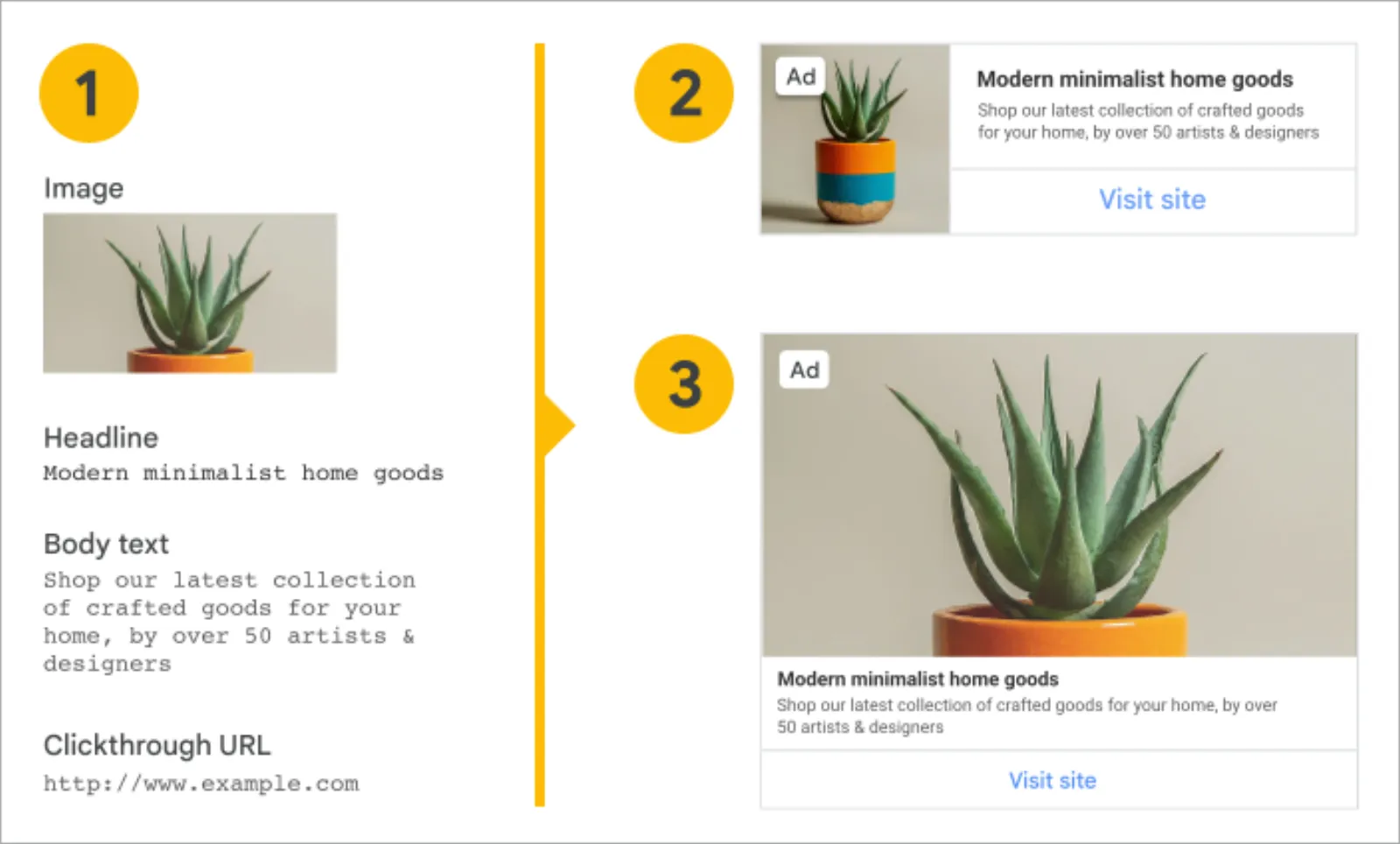
The flexibility of responsive display ads makes them ideal for both native and non-native ad spaces. Since RDAs automatically adjust their size, layout, and design, they can fit naturally into the native inventory where they match the content’s look and feel. On the other hand, they can also be displayed in non-native formats, like traditional banner ads, without disrupting the user experience too much.
The Benefits of RDAs in Both Inventories
- Increased Reach: Because they can run across both native and non-native spaces, RDAs allow advertisers to reach a wider audience.
- Better Performance: With automatic optimisation and adjustments, RDAs typically perform better, as they can fit various formats more efficiently.
- Cost-Effective: RDAs allow advertisers to use one ad that works in multiple environments, reducing the need for multiple versions of an ad.
Conclusion
Responsive display ads are a versatile, adaptive solution for advertisers looking to reach users across different environments. Whether placing ads in native spaces that blend with content or in non-native spots that stand out, RDAs help you achieve your goals with greater efficiency and reach. Their ability to adjust on the fly makes them a top choice for marketers aiming for maximum impact.

Written by Uzair Kharawala
Partner at SF Digital Studios, a Google Premier Partner agency. Uzair has been helping businesses grow with Google Ads since 2002 and teaches it every week on YouTube.
Get our best Google Ads tips by email
New articles and videos, straight to your inbox. Unsubscribe any time.