
Discover how Google Ads’ broad match feature uses language, Smart Bidding, and geographic signals to optimise your ad reach and connect with the right audience. Learn how these signals work together to improve your advertising strategy.
When it comes to online advertising, especially with Google Ads, broad match is an important feature to understand. Broad match helps to ensure that your ads are seen by a wide audience, potentially increasing your chances of reaching more customers. But how does broad match work? Specifically, which signals does it use to match your ads with search queries? Let’s dive into the three key signals: Language, Smart Bidding, and Geographic.

Get Found, Get Chosen, Get Your Time Back
A free one-day marketing seminar in Milton Keynes · 10 November 2026
1. Language
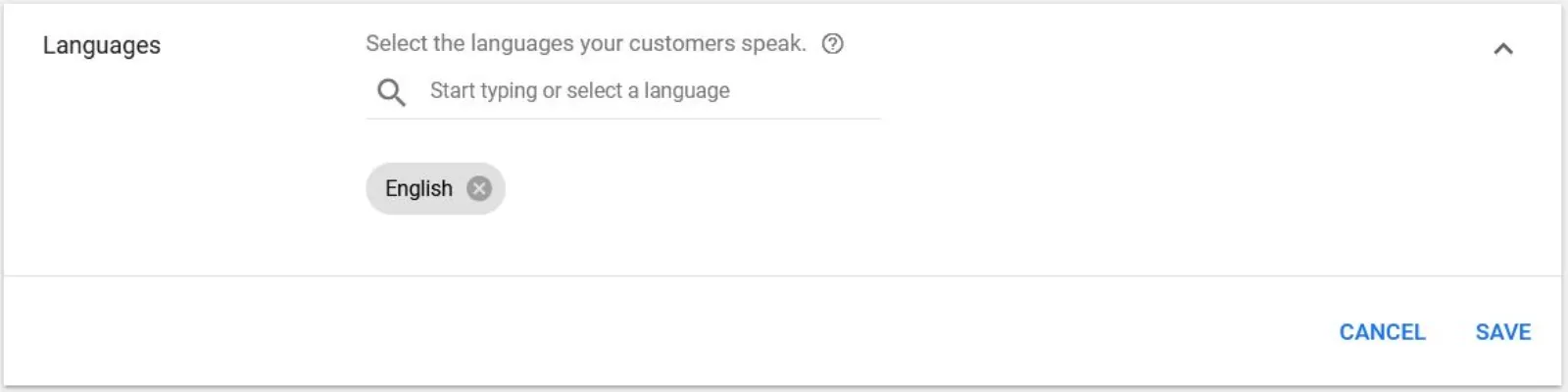
The language signal plays a crucial role in broad match. Google Ads looks at the language used in search queries and matches it with the language settings of your ads. For instance, if your ad is set to English, it will primarily be shown to users who search in English. This helps in making sure that your ad is relevant to the audience, as language is a fundamental aspect of communication. By matching the language, broad match ensures that your ad is shown to users who can understand it, making it more effective.
Get your free Marketing Action PlanNot sure where to start? Answer a few questions and get your plan in about a minute. No email needed.
 LIVE
Live every Tuesday at 2pm UK. Bring your marketing questions.
Get your Google, local SEO and AI questions answered live.
2. Smart Bidding
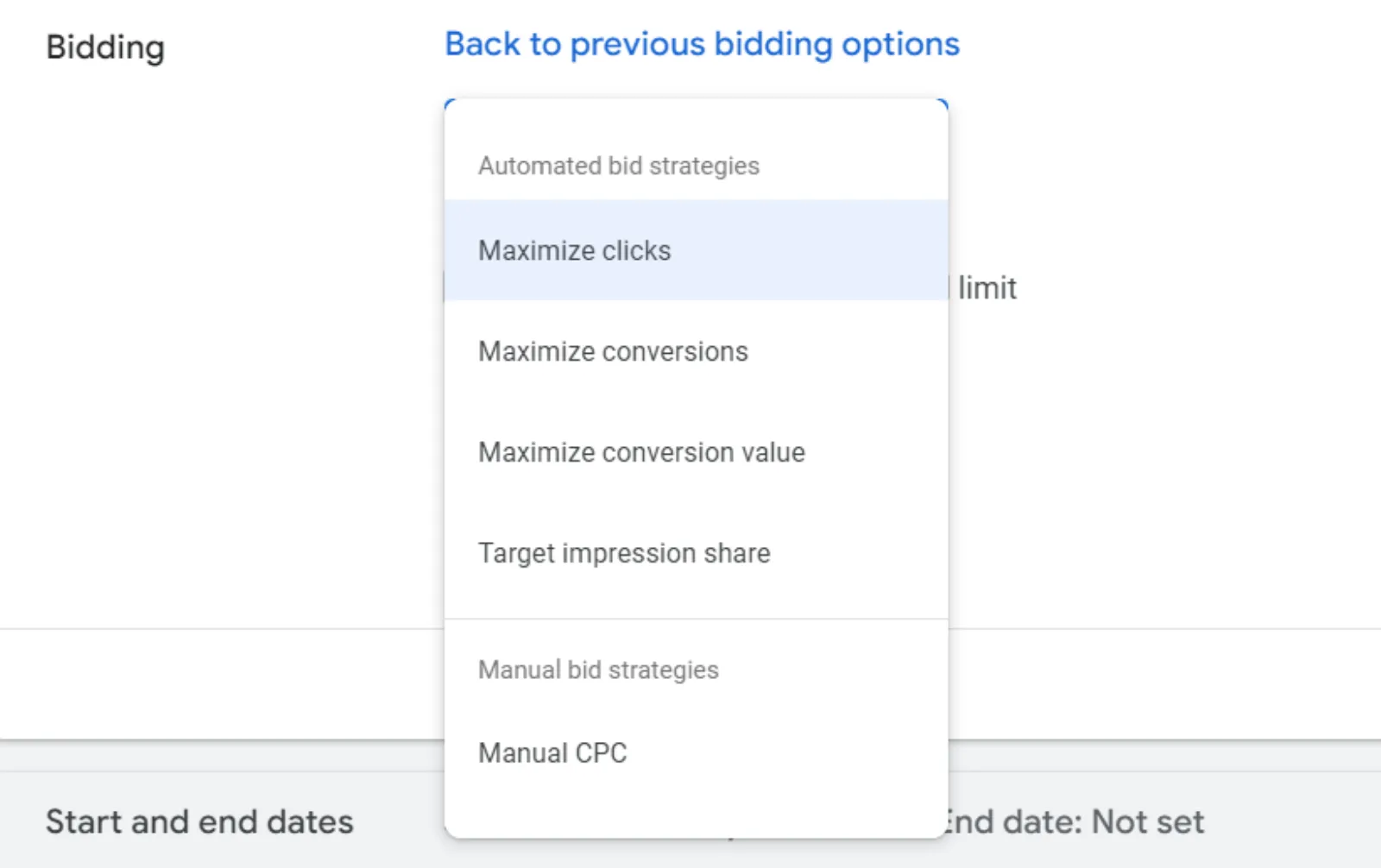
Smart Bidding is another significant signal used in broad match. It’s a set of automated bid strategies that use machine learning to optimise for conversions or conversion value in each and every auction. This means that Google Ads will automatically adjust your bids based on the likelihood of your ad achieving a conversion. When using broad match, Smart Bidding analyses various signals, including user behavior and context, to place your ad in front of the right audience at the right time. This optimises your ad spend and increases the chances of achieving your advertising goals.
3. Geographic
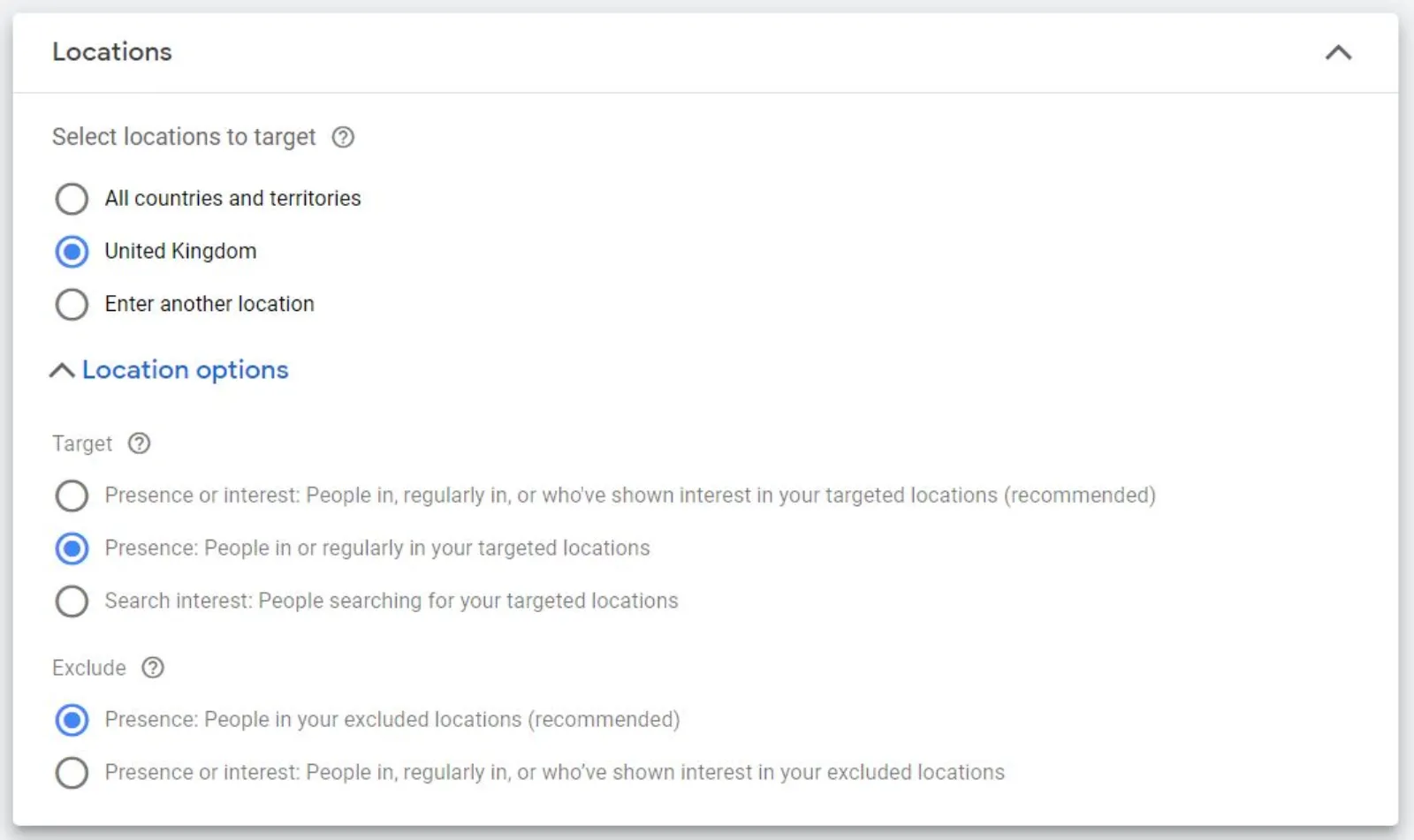
Geographic signals are also vital for broad match. This involves targeting users based on their physical location. Google Ads can use the location information of the user’s device to determine whether to show your ad. For example, if your business operates in New York, broad match can help show your ads to people searching for related terms while they are in New York. This ensures that your ads are reaching a local audience who are more likely to engage with your business.
Conclusion
Broad match is a powerful tool in Google Ads that uses three main signals—Language, Smart Bidding, and Geographic—to match your ads with relevant search queries. By understanding and leveraging these signals, you can optimise your ad campaigns to reach a broader and more relevant audience, ultimately driving more traffic and conversions for your business. So next time you set up a campaign, consider how broad match can enhance your advertising efforts.

Written by Uzair Kharawala
Partner at SF Digital Studios, a Google Premier Partner agency. Uzair has been helping businesses grow with Google Ads since 2002 and teaches it every week on YouTube.
Get our best Google Ads tips by email
New articles and videos, straight to your inbox. Unsubscribe any time.