
When running Search ads on Google, understanding how broad match works can make a big difference in getting your ads in front of the right audience. Broad match is a type of keyword match that gives Google Ads the flexibility to show your ads to a wide range of relevant searches, even if they don’t exactly match the keywords you’re targeting. But how does it do this? Broad match uses three important signals: language, geographic location, and Smart Bidding.
1. Language

Google’s broad match feature considers the language your audience speaks. For example, if you’re targeting people who speak English, broad match will help match your ads with searches done in English, even if the exact search term isn’t an exact match. This is great for advertisers who want to ensure that their ads appear for users searching in the language they prefer.

Get Found, Get Chosen, Get Your Time Back
A free one-day marketing seminar in Milton Keynes · 10 November 2026
2. Geographic Location
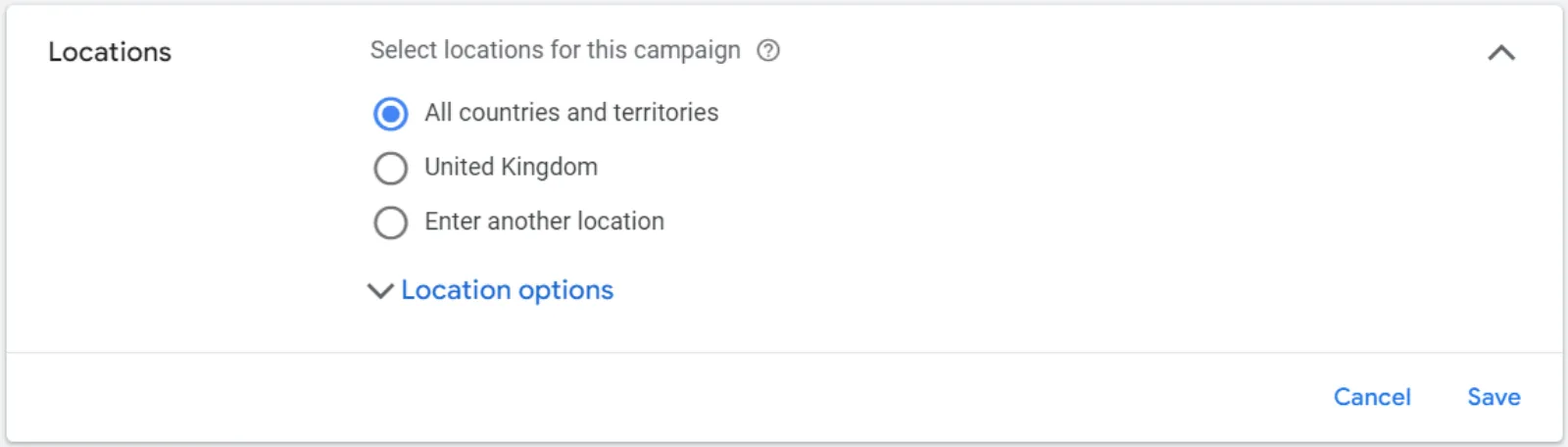
The second signal broad match uses is geographic location. Google takes into account where the user is located to match ads with relevant queries. For instance, if you’re running an ad campaign for a local business in Sydney, broad match can help show your ad to people searching for similar services in or near Sydney, even if they don’t type the exact location in their search.
Get your free Marketing Action PlanNot sure where to start? Answer a few questions and get your plan in about a minute. No email needed.
 LIVE
Live every Tuesday at 2pm UK. Bring your marketing questions.
Get your Google, local SEO and AI questions answered live.
3. Smart Bidding
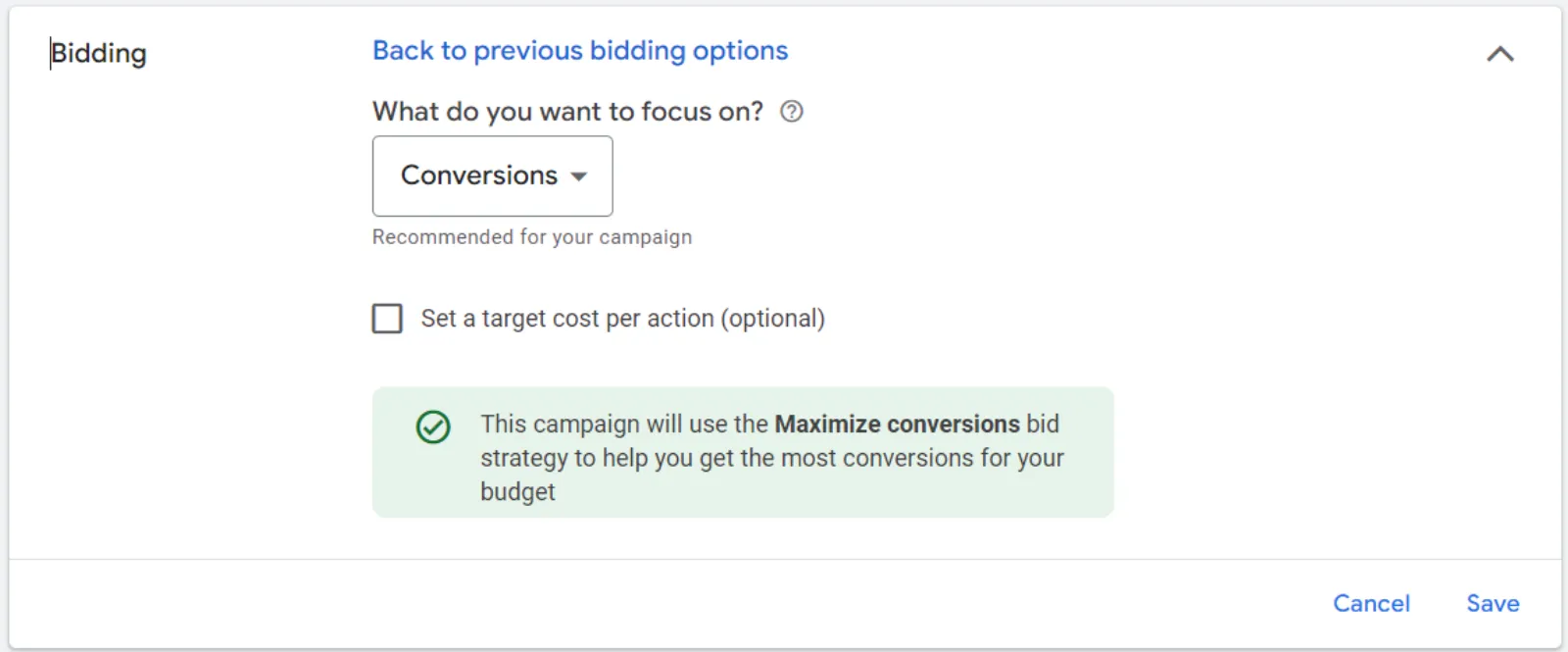
The final signal broad match uses is Smart Bidding. This is Google’s automated bidding system that helps optimise your ads for conversions. By using Smart Bidding, Google can adjust how your broad match keywords are triggered based on real-time data, like the likelihood of a search leading to a conversion. It helps you get the best possible outcome from your ads by matching your keywords with searches that are more likely to convert.
Why These Signals Matter
These three signals – language, geographic location, and Smart Bidding – are critical for broad match because they help ensure your ads are shown to the most relevant audience possible. Instead of relying only on exact keyword matches, broad match expands the possibilities and reaches people who might be interested in your product or service, even if they search differently than you expect.
By understanding how these signals work together, you can make the most of your Search ads and connect with potential customers more effectively.

Written by Uzair Kharawala
Partner at SF Digital Studios, a Google Premier Partner agency. Uzair has been helping businesses grow with Google Ads since 2002 and teaches it every week on YouTube.
Get our best Google Ads tips by email
New articles and videos, straight to your inbox. Unsubscribe any time.