
In the ever-evolving world of digital marketing, staying ahead of the competition requires a comprehensive advertising strategy. Two popular campaign types that can significantly enhance your online visibility are Search Campaigns and Dynamic Search Ads (DSA). But can these two campaigns coexist for the same product? In this blog post, we’ll explore the benefits of running both a Search Campaign and a DSA Campaign simultaneously, offering insights into their compatibility and how to optimise your efforts effectively.
Understanding Search Campaigns
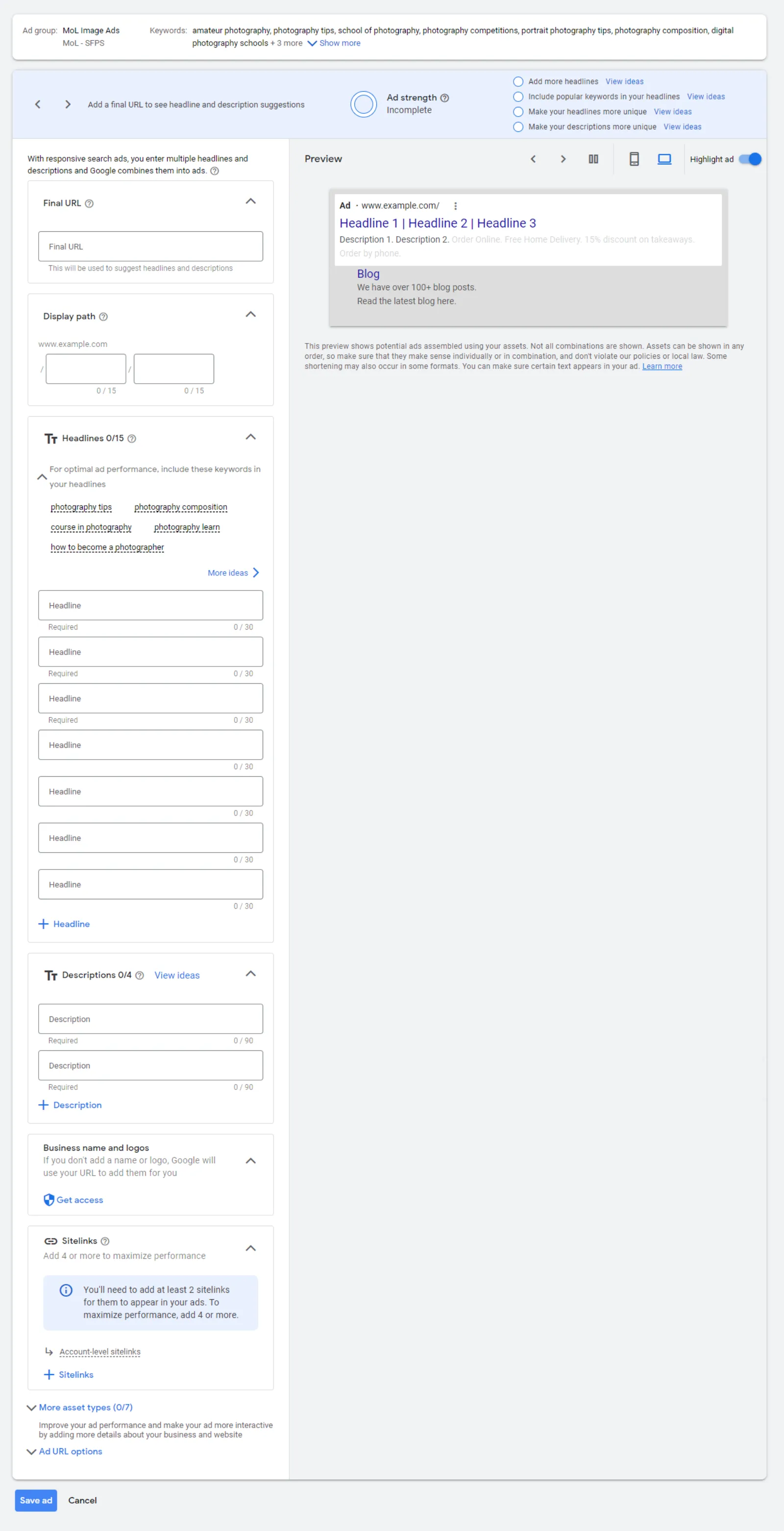
A Search Campaign is a text-based advertising strategy where you bid on specific keywords that users enter into search engines like Google. When a user searches for a relevant keyword, your ad appears prominently in the search results, increasing the chances of capturing their attention and driving traffic to your website.
Introducing Dynamic Search Ads (DSA)
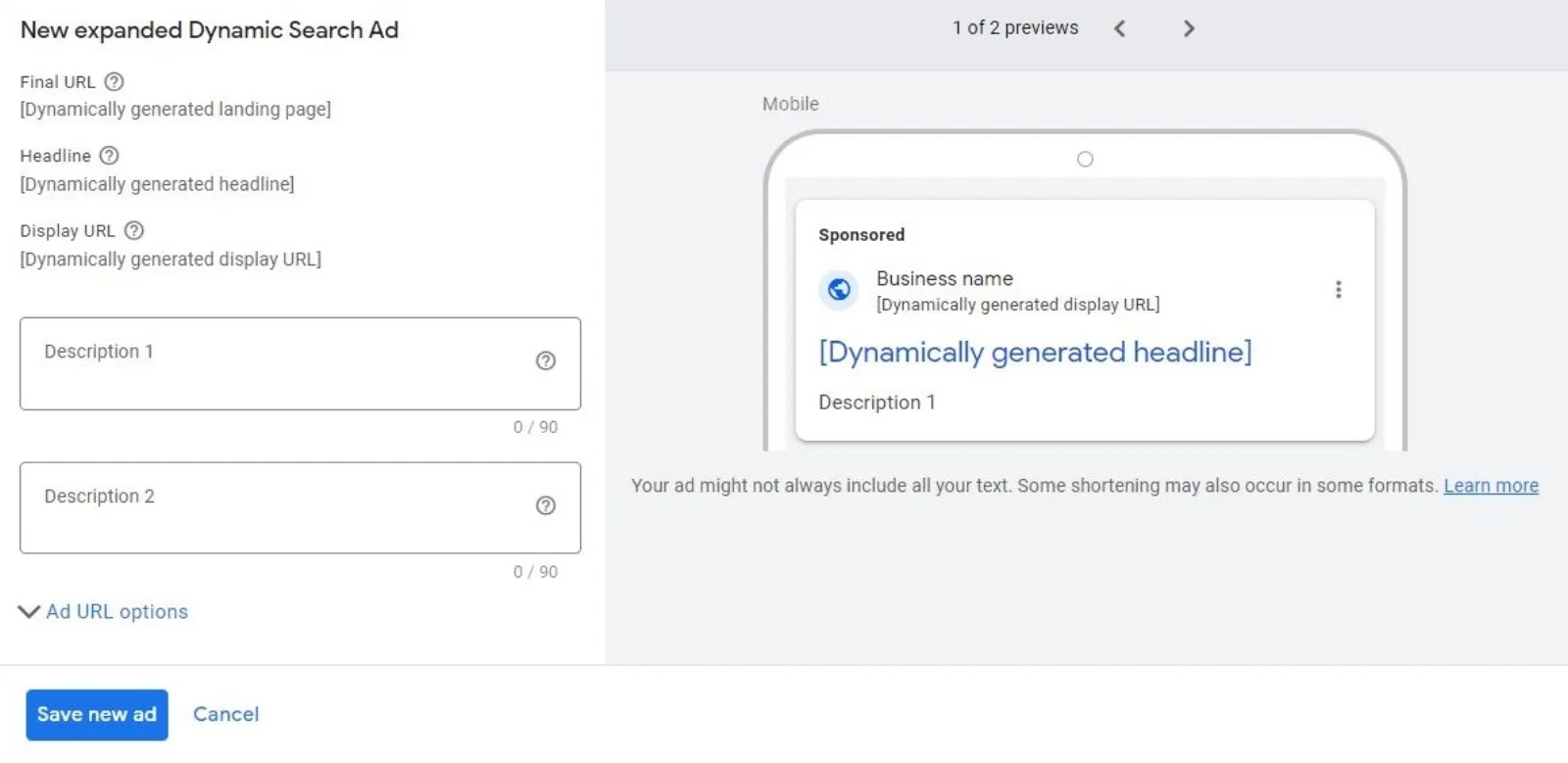
Dynamic Search Ads take a slightly different approach. Instead of selecting specific keywords to trigger your ads, DSA campaigns utilise the content on your website to dynamically generate ads. Google’s algorithms analyse your website’s content and match it with relevant search queries, allowing for a broader reach and increased user relevance.
The Synergy Between Search And DSA Campaigns
Now, let’s delve into the question: Can you run both campaign types together for the same product? The answer is a resounding yes. Combining Search and DSA Campaigns can lead to synergistic effects, maximising your online presence. Here’s why:
Comprehensive Coverage: By running both campaign types, you ensure a broader coverage across different search intents and user behaviours. Search Campaigns target specific keywords, while DSA Campaigns capture relevant searches that may not align with your chosen keywords. Together, they cover a more comprehensive range of potential customers, expanding your reach.
Keyword Discovery: DSA Campaigns can help identify valuable new keywords for your Search Campaigns. By analysing the search terms that trigger your DSA ads, you can uncover valuable insights into the language and keywords used by your target audience. This information can then be utilised to refine and optimise your Search Campaigns.
Enhanced Relevance: DSA Campaigns dynamically generate headlines and landing pages based on users’ search queries and the content on your website. This customisation increases the relevance of your ads and landing pages, leading to improved click-through rates (CTRs) and conversion rates. Consequently, your Search Campaigns can benefit from this enhanced relevance, generating better results.
Optimising Your Combined Campaigns
To ensure the success of your Search Campaign and DSA Campaign running in tandem, follow these optimisation tips:
Keyword Segmentation: Divide your keywords into distinct groups, allowing you to allocate specific budgets and bidding strategies to each. This approach enables better control over your campaigns and optimises your spending.
Negative Keyword Management: Continuously monitor the search terms triggering your DSA ads and add irrelevant or underperforming keywords as negatives in your Search Campaigns. This practice helps prevent budget wastage and ensures your ads are shown to the most relevant audience.
Landing Page Optimisation: Since DSA Campaigns rely on your website’s content, ensure your landing pages are optimised for conversions. Create compelling, relevant content that aligns with the different search intents to increase the likelihood of users taking desired actions.
Regular Performance Analysis:
- Monitor the performance of both campaign types regularly.
- Identify trends, and evaluate metrics such as CTR, conversion rates, and cost-per-acquisition (CPA).
- Adjust your bidding strategies, budgets, and ad copy based on data-driven insights to improve campaign performance continuously.
Conclusion
The simultaneous execution of a Search Campaign and a DSA Campaign for the same product can significantly enhance your online visibility and drive better results. Combining these two campaign types allows you to achieve comprehensive coverage, discover new keywords, and deliver enhanced relevance to your target audience.

Written by Uzair Kharawala
Founder of SF Digital Studios, a Google Premier Partner agency. Uzair has been helping businesses grow with Google Ads since 2002 and teaches it every week on YouTube.
Get our best Google Ads tips by email
New articles and videos, straight to your inbox. Unsubscribe any time.