

What if the secret to skyrocketing your sales wasn’t about selling harder, but about giving more? Imagine a world where your business thrives not by chasing transactions, but by genuinely enriching the lives of your potential customers. This isn’t just a feel-good philosophy; it’s a proven business strategy championed by visionaries like Gary Vaynerchuk. Discover how embracing a “help first” mindset can transform your approach to customer acquisition, leading to an unstoppable wave of loyal customers and sustained business growth.
The Foundation of Future Success: Embracing the Give First Philosophy
In today’s hyper-connected, information-saturated world, old sales playbooks are rapidly becoming obsolete. Consumers are savvier, seeking solutions and trusted advisors, not just products. This seismic shift underscores why the “help first” philosophy, popularized by Gary Vaynerchuk, resonates deeply. It’s a fundamental reorientation of your business strategy, moving from self-serving transactions to authentic value creation for your audience without immediate expectation of return. This approach builds goodwill, establishes credibility, and fosters enduring relationships for ultimate patronage.

Get Found, Get Chosen, Get Your Time Back
A free one-day marketing seminar in Milton Keynes · 10 November 2026
Why Traditional Sales Approaches Are Losing Their Edge in the Modern Market
The digital age has irrevocably altered commerce, rendering many traditional sales tactics ineffective. Consumers are bombarded daily, leading to “ad fatigue” and skepticism towards overt sales attempts. Pushy techniques often alienate potential customers before a relationship even begins. Empowered by readily available information, customers make informed decisions on their own terms, shifting a salesperson’s role from information dispenser to trusted guide. Businesses clinging to outdated, product-centric models risk being perceived as irrelevant in an ecosystem valuing authentic connection and genuine assistance.
Get your free Marketing Action PlanNot sure where to start? Answer a few questions and get your plan in about a minute. No email needed.
Get my plan →Unlocking the Power of Reciprocity: The Psychological Advantage of Giving Value
At the core of the “help first” philosophy lies the powerful psychological principle of reciprocity. Humans are wired to return favors and respond positively to generosity. When you consistently provide valuable information or solve problems without immediate expectation, you trigger an inclination to reciprocate. This builds a reservoir of positive sentiment and trust, invaluable for your brand. When a need arises, your brand is top-of-mind, associated with helpfulness, becoming the preferred choice. This psychological advantage makes conversions feel like a natural extension of an established, positive relationship.
Forging Unshakeable Trust and Authority: Becoming a Go-To Resource for Your Audience
In an age where trust is a dwindling commodity, establishing yourself as a genuine authority and a trustworthy resource is paramount. The “help first” mindset is the most effective pathway to this. Consistently sharing expertise and offering advice without immediately trying to close a sale demonstrates profound commitment to your audience’s success. This authenticity resonates deeply, allowing customers to engage on a meaningful level. By being a helpful voice, you naturally become the go-to expert, sought for opinions and recommended to networks. This accumulated trust and authority translate directly into greater influence and a stronger market position, making sales conversions smoother.

Actionable Strategies for Implementing a ‘Help First’ Mindset in Your Business
Translating the “help first” philosophy into concrete action requires intentional effort and a strategic approach for small business owners. Here are practical ways to embed this mindset into daily operations and marketing efforts:
1. Develop a Robust Content Marketing Strategy: Create high-quality, free content (blog posts, video tutorials, podcasts) that directly addresses your audience’s common questions and challenges. For example, a local bakery might share “5 Tips for Baking the Perfect Sourdough at Home.” The goal is to educate and empower, not just sell.
2. Engage Actively in Online Communities: Participate in industry forums and social media groups where your target audience congregates. Offer helpful advice and insights without self-promotion. A graphic designer could offer quick feedback on design queries in a small business Facebook group.
3. Offer Free Resources and Tools: Provide downloadable templates, checklists, or mini-courses that offer immediate value. A marketing agency could offer a free SEO checklist, acting as a lead magnet that solves a problem for your audience.
4. Personalized Outreach and Support: Go the extra mile in customer service, even for non-paying individuals. Respond promptly, offer detailed explanations, and genuinely try to assist. A local hardware store offering detailed DIY project advice will likely see that customer return for materials, demonstrating customer service excellence.
5. Host Educational Workshops or Webinars: Organize free online or in-person sessions providing valuable skills or expert insights. A small business consultant could host a webinar on “Navigating Small Business Taxes.” A yoga studio offering free introductory classes naturally draws new students when they are ready for a paid membership.

Nurturing Long-Term Customer Relationships: Beyond the Initial Transaction
The “help first” mindset extends far beyond single sales, cultivating incredibly valuable, long-term relationships. The sale becomes the start of an ongoing dialogue. By consistently providing support and demonstrating genuine care for customer success, you significantly increase customer lifetime value (CLV). Loyal customers make repeat purchases and become powerful brand advocates. This organic growth through referrals is often the most cost-effective and impactful form of marketing. Turning customers into advocates means they actively promote your business because of positive experiences, creating a virtuous cycle of trust, loyalty, and organic business growth. Building on this foundation supports effective customer loyalty programs.
Measuring Impact Beyond Immediate Sales: Metrics for the Modern Giver
Understanding the impact of a “help first” approach requires a shift from traditional sales metrics. While profitability remains the goal, success also reflects in engagement, trust, and audience growth. Key metrics include:
1. Content Engagement Rates: Monitor views, shares, comments, and time spent on your helpful content (blogs, videos, free resources). High engagement signals your value is resonating.
2. Audience Growth: Track increases in social media followers, email subscribers, and website traffic, representing a growing pool of potential customers attracted by your value.
 LIVE
Live every Tuesday at 2pm UK. Bring your marketing questions.
Get your Google, local SEO and AI questions answered live.
3. Brand Mentions and Sentiment: Use social listening to monitor how often your brand is mentioned online and the sentiment surrounding those mentions. Positive mentions often stem from helpful interactions.
4. Qualified Leads Generated: Track high-quality leads from channels where you provide free value (e.g., webinar sign-ups, advanced guide downloads). These individuals have self-identified as needing deeper solutions.5. Referral Traffic and Customer Testimonials: Observe how many new customers come through referrals. Actively solicit testimonials from satisfied individuals who initially benefited from your free help, demonstrating long-term impact of your giving strategy for impactful marketing.
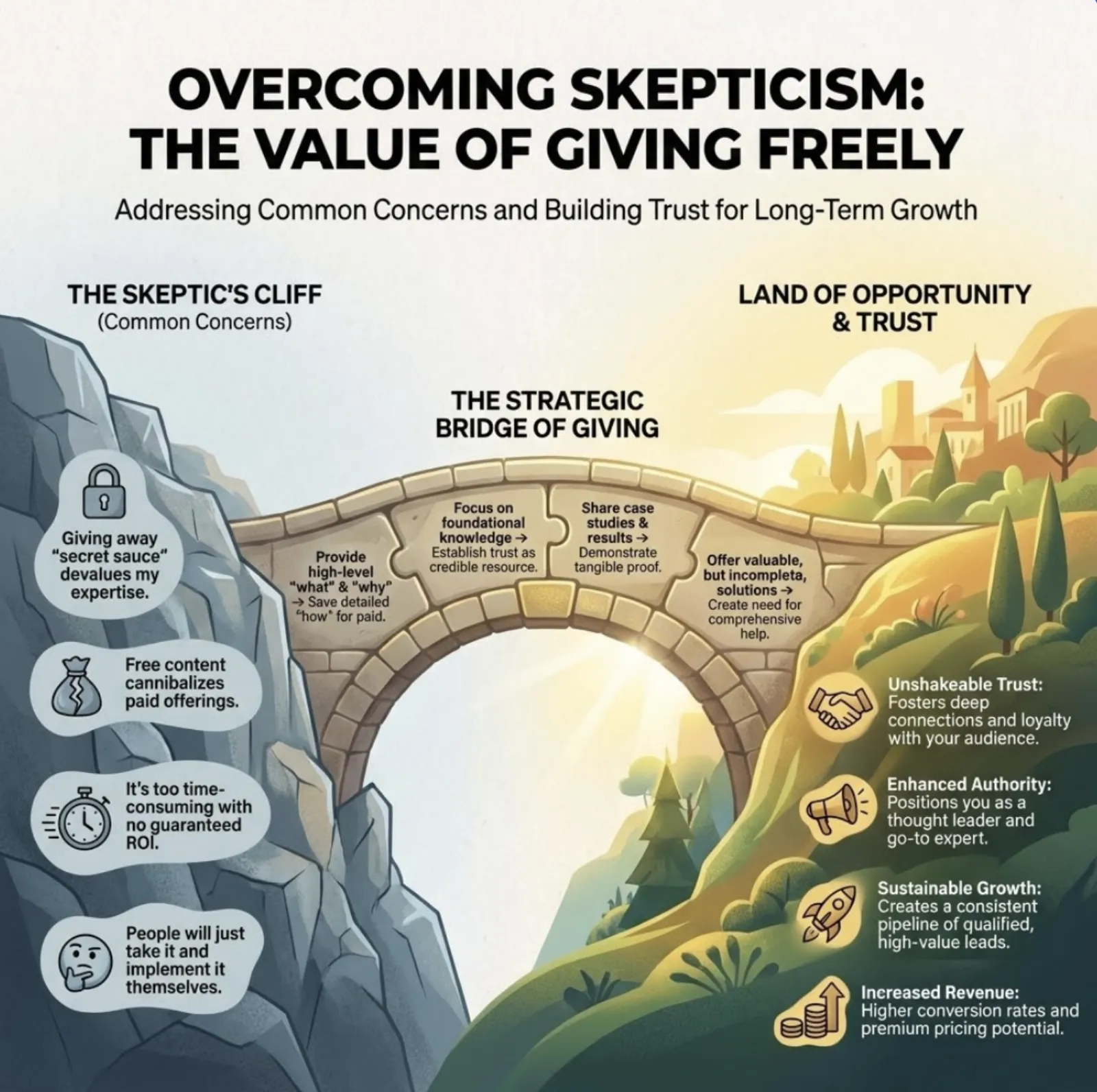
Overcoming the Skepticism: Addressing Common Concerns About Giving Value Freely
Small business owners often fear “giving away too much” or that free value won’t yield immediate returns. The concern that people will take free information without converting is understandable but misunderstands the strategy. The goal isn’t to give away your entire business; it’s to demonstrate expertise and build trust. This is an investment in your brand equity. While not showing immediate monetary ROI, it builds recognition, trust, and a pipeline of warmer leads. Structure free content strategically: offer foundational value broadly, reserving advanced solutions for paying clients. Use calls to action to encourage deeper engagement, allowing you to qualify leads. This strategic balance ensures your giving aligns with ultimate business objectives, driving sustainable business growth.
Real-World Success Stories: Businesses Thriving with a Help First Approach
Many businesses have seen remarkable growth by embracing “help first.” A local personal trainer offering free workout videos and nutrition tips during the pandemic built an engaged community. When launching a paid online coaching program, their established expertise and trust led to significantly higher conversion rates. Customers signed up for proven guidance from someone who had already helped them achieve small wins. Similarly, software companies offering powerful free versions, with extensive tutorials and support, allow users to experience significant value before committing financially. This builds a loyal user base more likely to convert to paid subscriptions for advanced features, illustrating effective organic customer acquisition.
A Step-by-Step Framework for Cultivating a Giving Culture in Your Organization
Implementing a “help first” culture demands a structured approach. Here’s a framework to guide your organization:
1. Educate Your Team: Ensure everyone understands the philosophy and long-term benefits of providing value. Emphasize every interaction as an opportunity to help and build trust, not just to sell.
2. Identify Customer Pain Points: Regularly gather feedback through surveys, social listening, or direct conversations to understand your audience’s challenges. Knowing their pain points is crucial for providing relevant help.
3. Brainstorm Value-Add Solutions: Based on pain points, brainstorm practical ways your business can offer free help—content, tools, advice, or community support. Encourage creative thinking beyond current paid services.
4. Execute Consistently: Develop a content calendar and plan for consistent delivery of value-add solutions. Irregular efforts won’t build necessary momentum or trust. Consistency is key to establishing your brand as a reliable resource.
5. Gather Feedback and Iterate: Continuously monitor performance. Are people engaging? Is it useful? Use feedback to refine your approach, identify new opportunities, and ensure efforts remain relevant and impactful. This iterative process leads to more effective relationship marketing.
Frequently Asked Questions About the ‘Help First’ Philosophy
Is giving away free information detrimental to my paid offerings?
Not at all. Providing valuable free information builds trust and establishes expertise. It helps potential customers understand your value, making them more likely to invest in your paid services when deeper or more personalized solutions are needed. It acts as an effective, long-form sales funnel that pre-qualifies leads.
How do I know what kind of “help” my audience actually needs?
Listen actively! Engage with your audience on social media, review common customer service questions, conduct surveys, and analyze online forums in your niche. Your audience will tell you their pain points if you pay attention. Create content and resources that directly address these identified challenges.
What if my competitors copy my free content or strategies?
While competitors may try to emulate your efforts, your authentic voice, unique insights, and consistent delivery of value are difficult to replicate. Focus on building genuine relationships and an inimitable brand identity. Being the first and most consistent to help also secures a stronger position in the minds of your audience.
How quickly can I expect to see results from a “help first” approach?
This is a long-term strategy, not a quick fix. Building trust and authority takes time and consistent effort. While you might see initial engagement spikes, significant shifts in customer acquisition and loyalty typically manifest over months, not days or weeks. Patience and persistence are crucial for long-term business growth.
Can small businesses with limited resources truly implement this strategy effectively?
Absolutely. The “help first” approach is often even more crucial for small businesses, allowing them to compete without massive advertising budgets. Start small: dedicate specific time to answering questions in online communities, or create one high-quality piece of content per month. Consistency and genuine effort outweigh scale.
Final Thoughts: The Enduring Power of Genuinely Helping Your Way to Growth
In a world saturated with noise and fleeting trends, the “help first” philosophy championed by Gary Vaynerchuk stands as a beacon of enduring wisdom. It’s more than a marketing tactic; it’s a fundamental shift in how businesses interact with their audience, prioritizing genuine value over immediate transactions. Embrace this mindset to forge powerful connections, cultivate unshakeable trust, and build a loyal customer base that not only buys but actively champions your brand. Start helping today, and watch your business thrive tomorrow for sustained business growth.

Written by Uzair Kharawala
Partner at SF Digital Studios, a Google Premier Partner agency. Uzair has been helping businesses grow with Google Ads since 2002 and teaches it every week on YouTube.
Get our best Google Ads tips by email
New articles and videos, straight to your inbox. Unsubscribe any time.