

Disclosure: Some of the links in this post are affiliate links. This means that if you click on a link and sign up or take a free trial, we will receive compensation at no extra cost to you.
Ranking at the top of Google search results is a goal for most websites and businesses. The higher your site ranks, the more visible it becomes to potential visitors, boosting traffic and increasing conversions. While getting to the top can seem like a challenge, there are clear steps you can take to improve your rankings. Here are 10 methods to help you rise in Google search.

Get Found, Get Chosen, Get Your Time Back
A free one-day marketing seminar in Milton Keynes · 13 January 2027
1. Target the Right Keywords
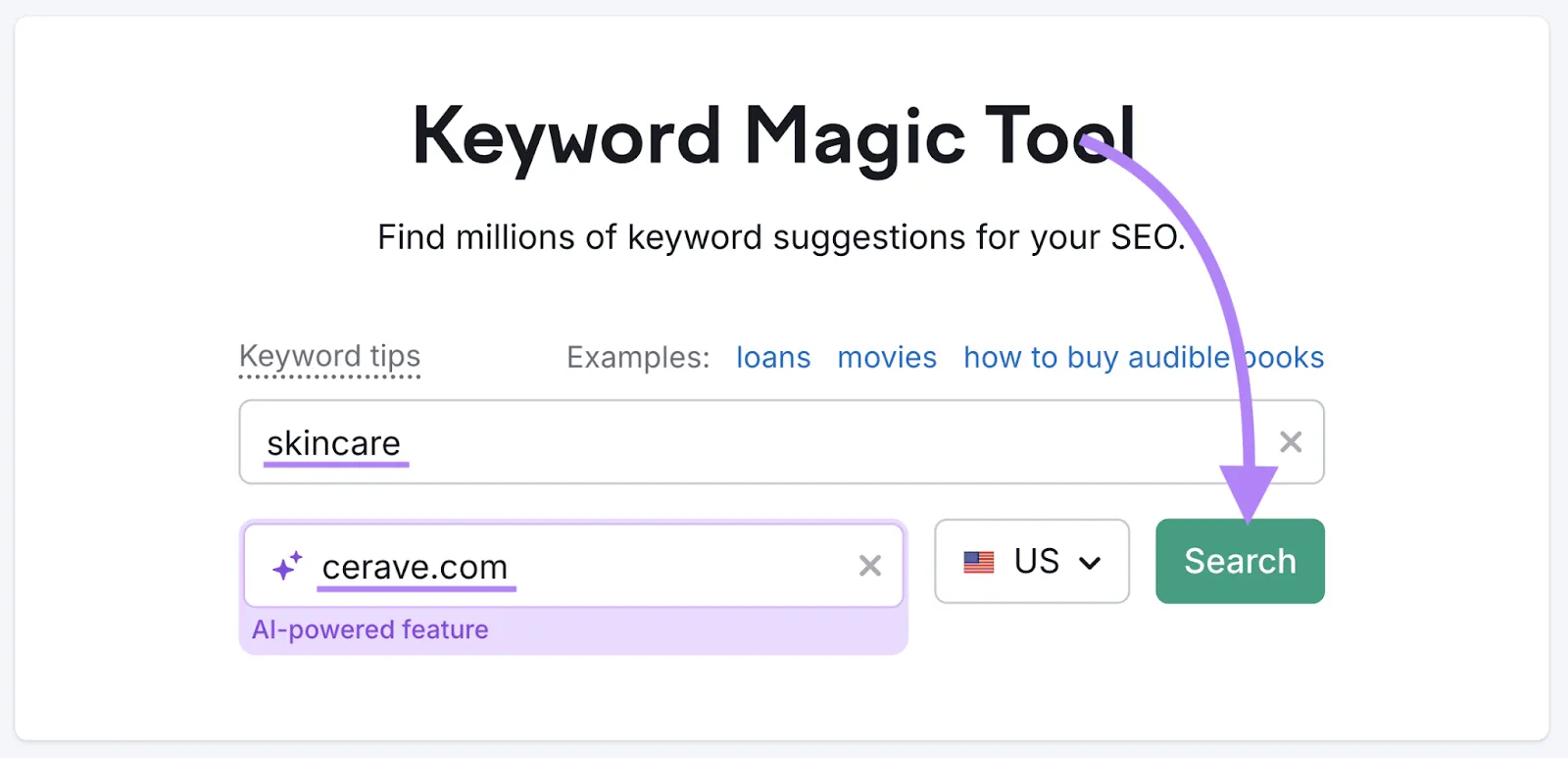
Selecting the right keywords is essential. You want to target keywords that are both relevant to your business and feasible to rank for. Using tools like Semrush’s Keyword Magic Tool, you can search for keywords based on your business or domain and get metrics like search volume, competition, and the potential to drive traffic. Look for low competition keywords that you can rank for more easily, especially if your site is new.
Get your free Marketing Action PlanNot sure where to start? Answer a few questions and get your plan in about a minute. No email needed.
Get my plan →2. Create Quality Content
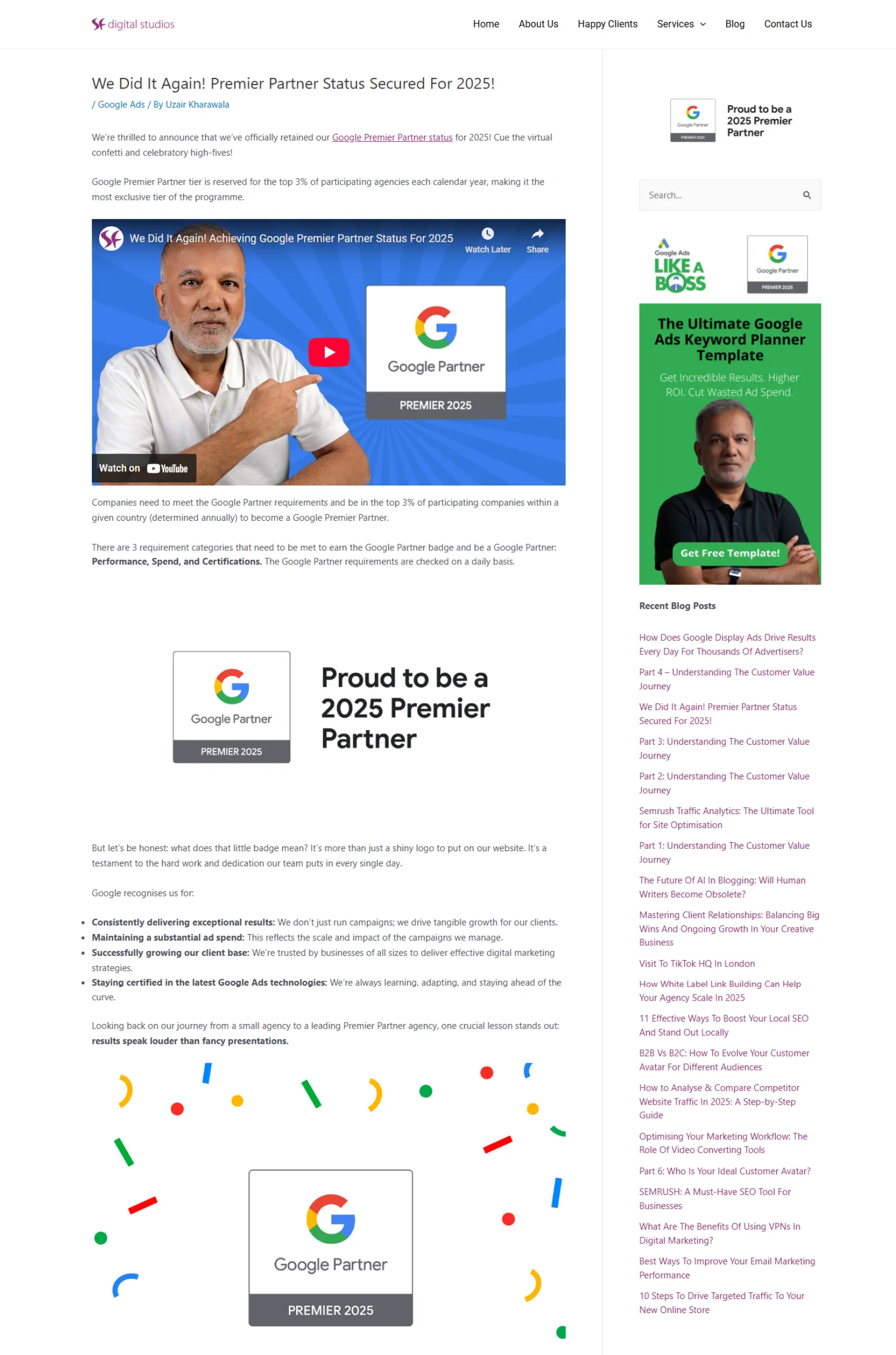
Google loves high-quality content. To rank well, your content should provide real value to users. Make sure your content matches the search intent and provides a thorough, well-researched answer to users’ queries. Remember the Google E-E-A-T (Experience, Expertise, authority, and Trustworthiness) guidelines. High-quality content is original, well-structured, and provides in-depth coverage of topics.

3. Optimise for On-Page SEO
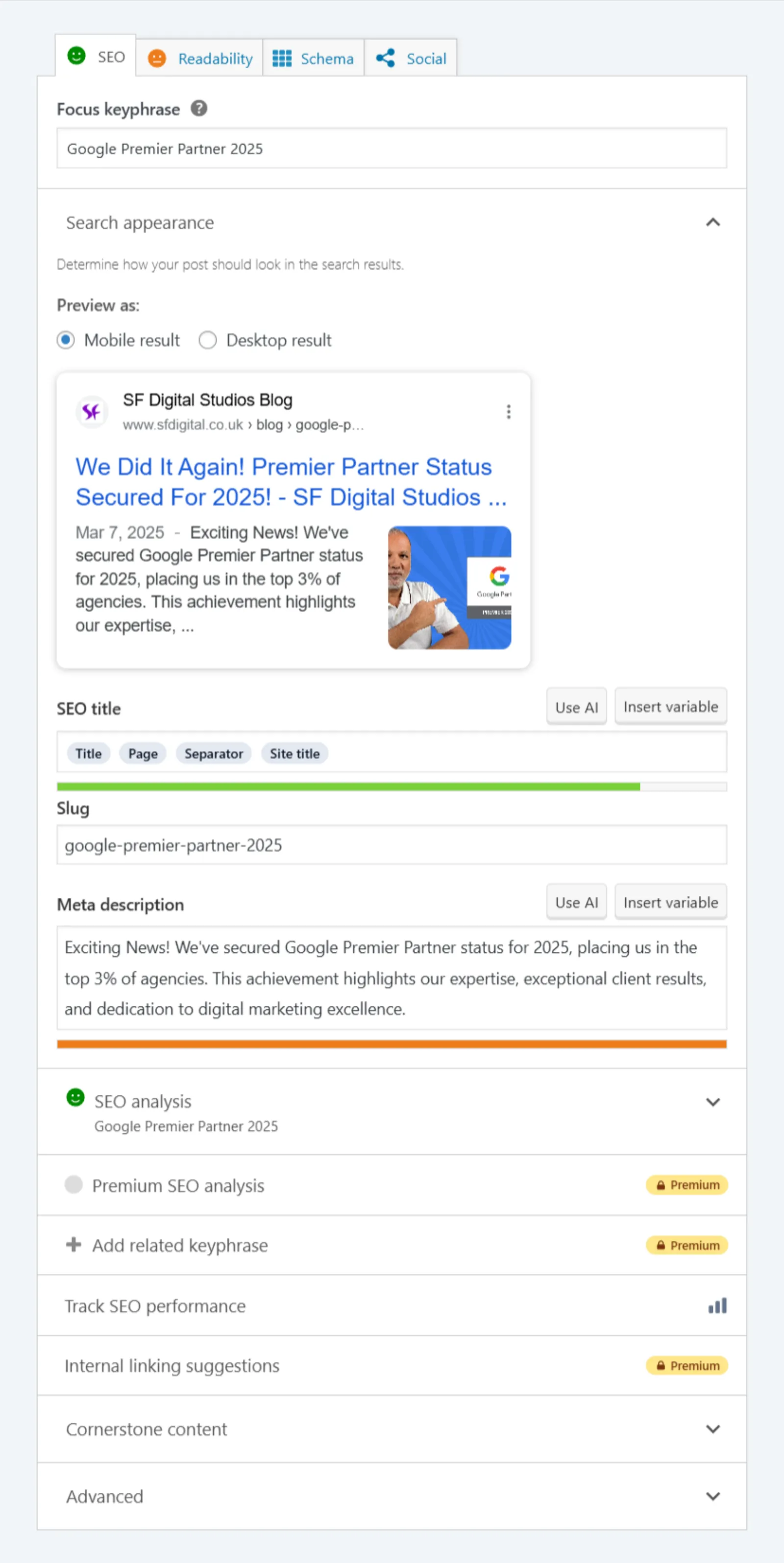
On-page SEO is about making your content easy for Google to understand. Focus on optimising:
- Title Tags: Make them clear, compelling, and relevant.
- Meta Descriptions: Although not a ranking factor, they can affect click-through rates.
- Headings: Use proper H1, H2, and H3 tags to organise your content.
- Multimedia: Optimise images and videos with relevant alt text.
- Internal Links: Help users navigate your site and distribute authority across pages.
4. Set Up Your Google Business Profile
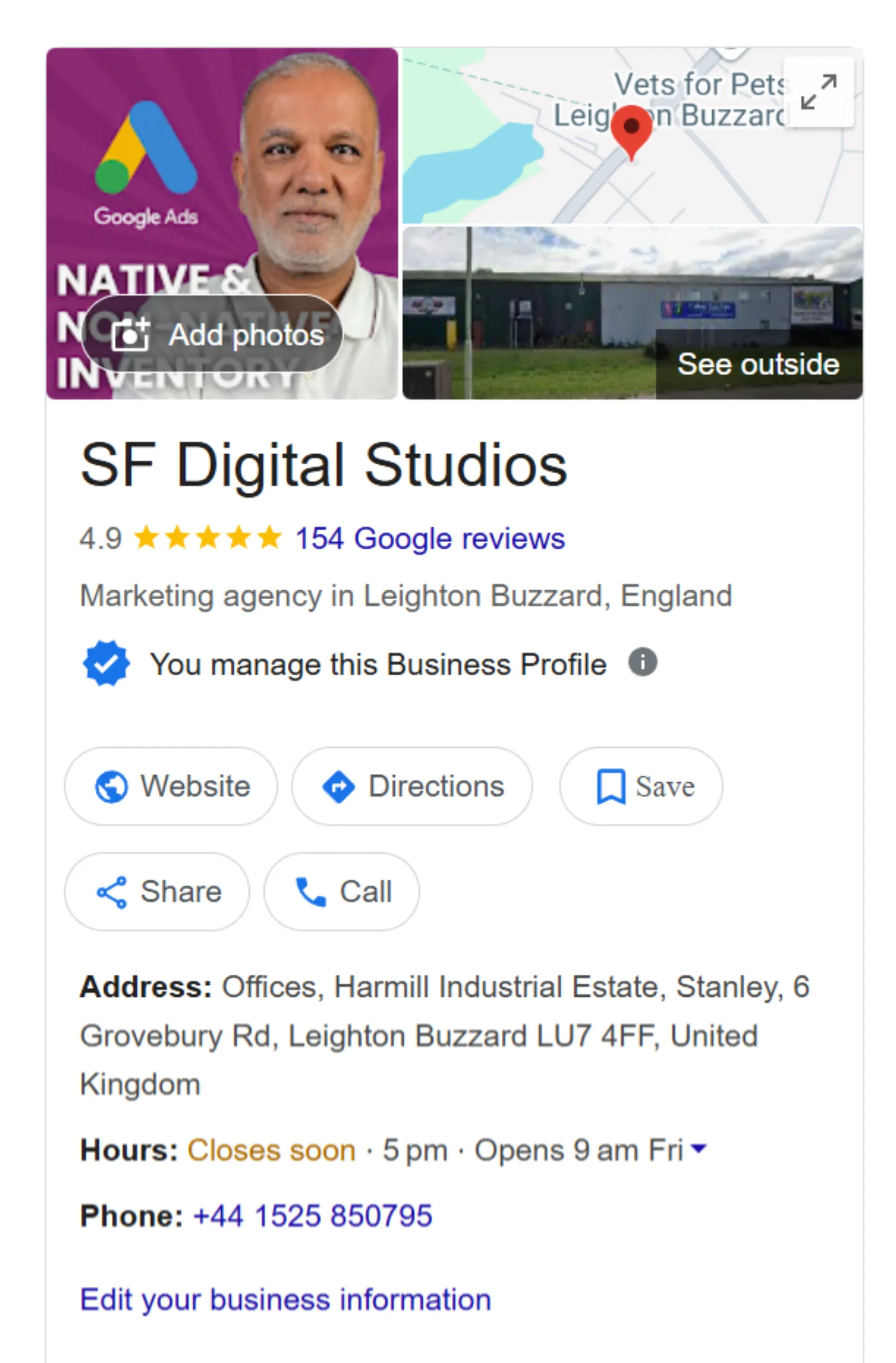
If you own a local business, set up a Google Business Profile. This helps your business appear in local search results and Google Maps, giving you more visibility. Fill out all the information, upload photos, and keep your business details up to date. Engaging with customers through posts and reviews can also boost your visibility.
 LIVE
Live every Tuesday at 2pm UK. Bring your marketing questions.
Get your Google, local SEO and AI questions answered live.
5. Get Other Citations
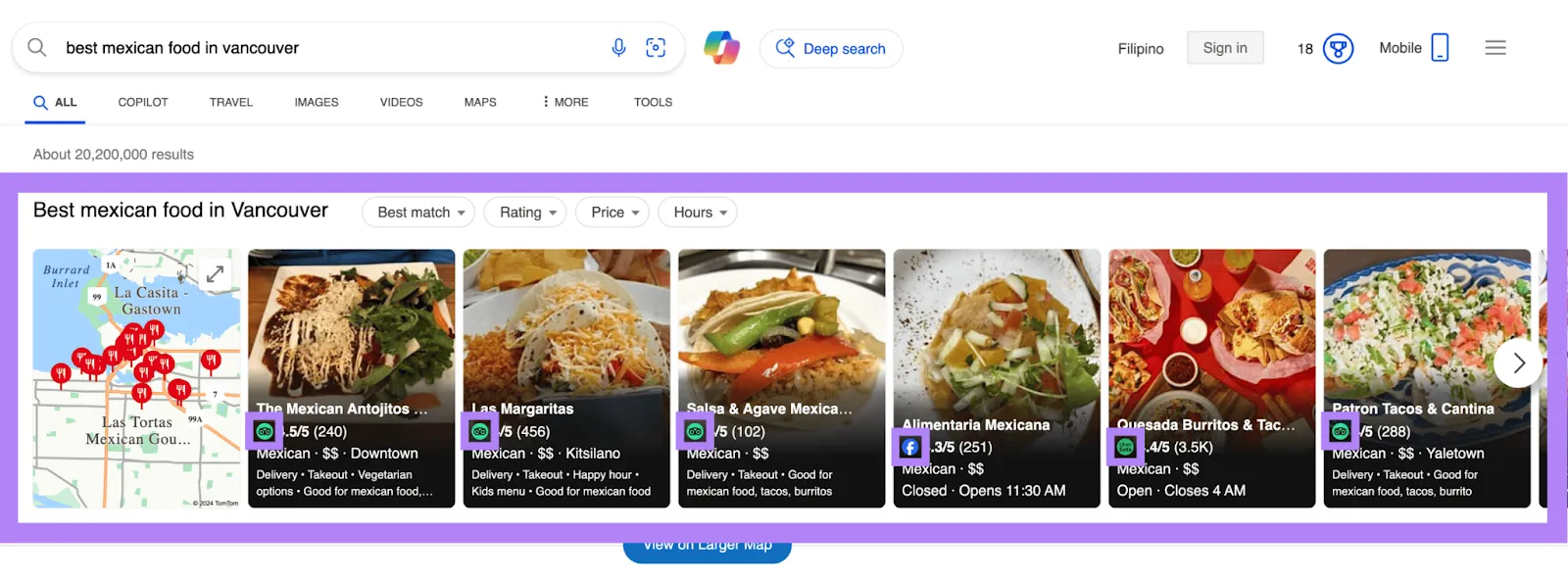
Aside from Google Business Profile, it’s important to get listed on other directories like Yelp, Facebook, and TripAdvisor. Consistency in your business name, address, and phone number (NAP) across all listings helps Google verify your business and can improve your local search rankings.
6. Get and Respond to Customer Reviews
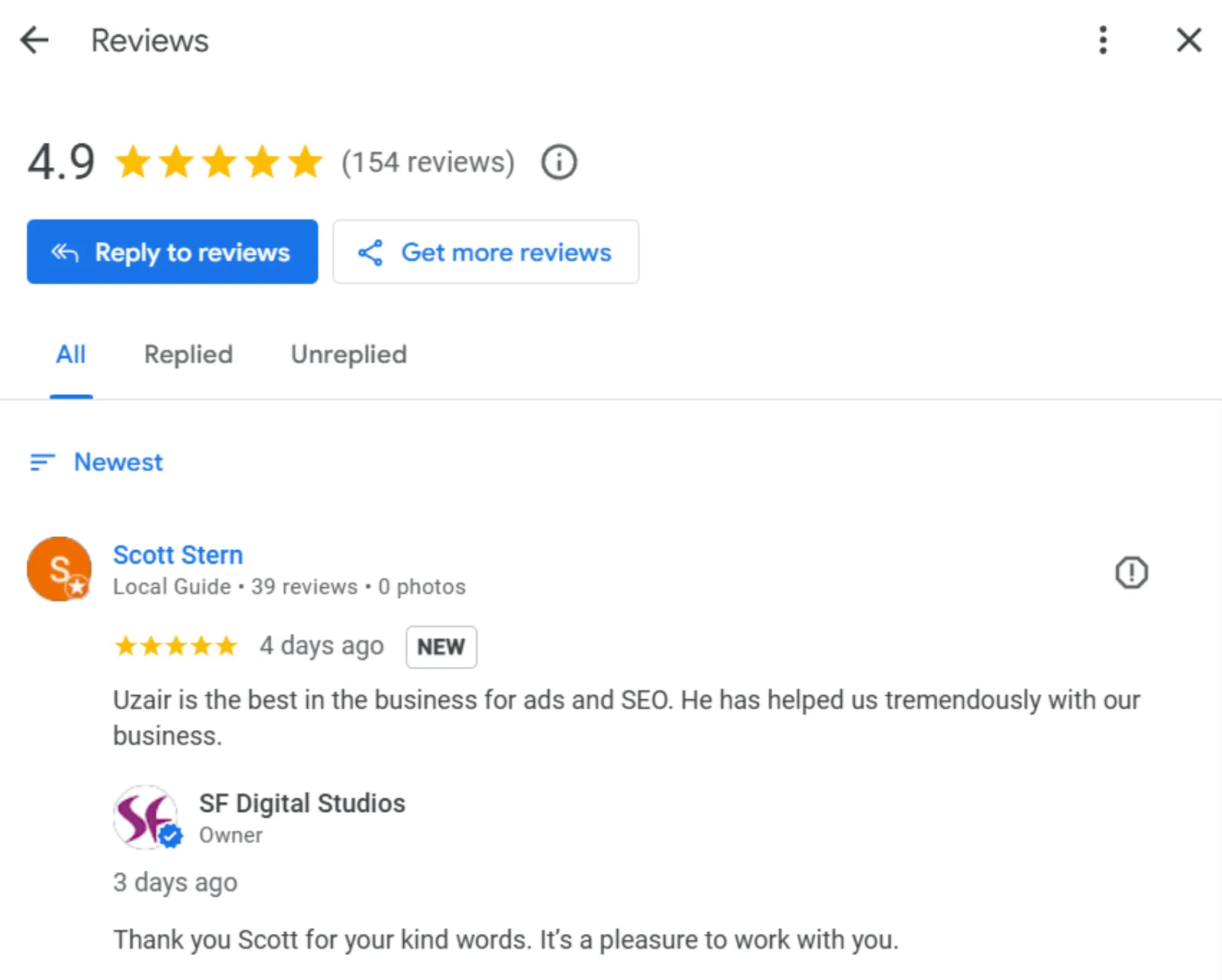
Customer reviews are a powerful tool for local SEO. Encourage your customers to leave reviews, especially on Google. Positive reviews build trust and credibility, while responding to all reviews shows that you care about customer feedback. Responding to both positive and negative reviews can help improve customer relations and boost rankings.

7. Build High-Quality Backlinks
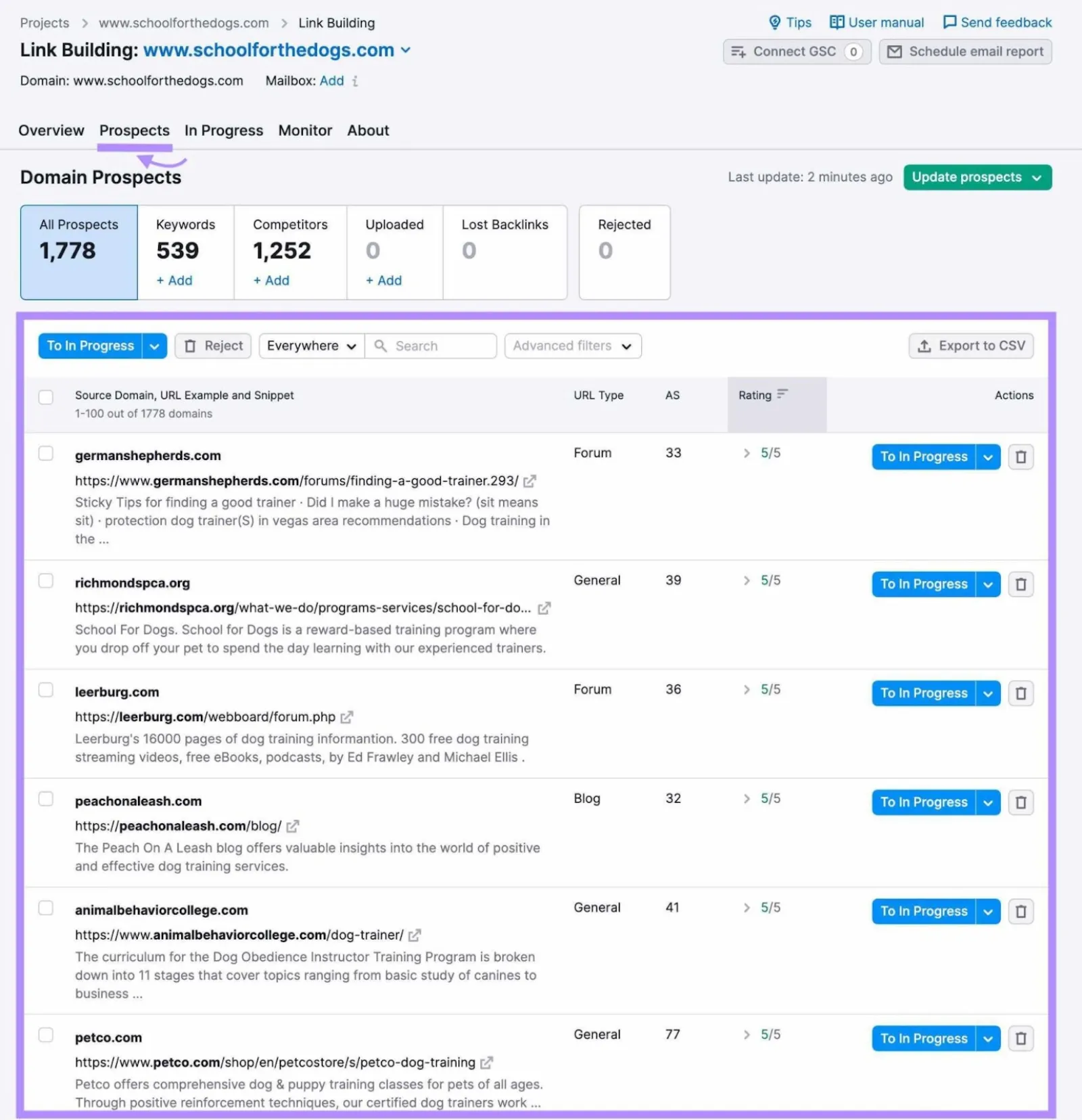
Backlinks, or links from other websites to yours, are a strong ranking factor. They signal to Google that your content is credible. Focus on getting backlinks from authoritative sites in your industry. Some strategies include guest blogging, broken link building, and asking for links from mentions of your brand.
8. Make Your Site Mobile-Friendly
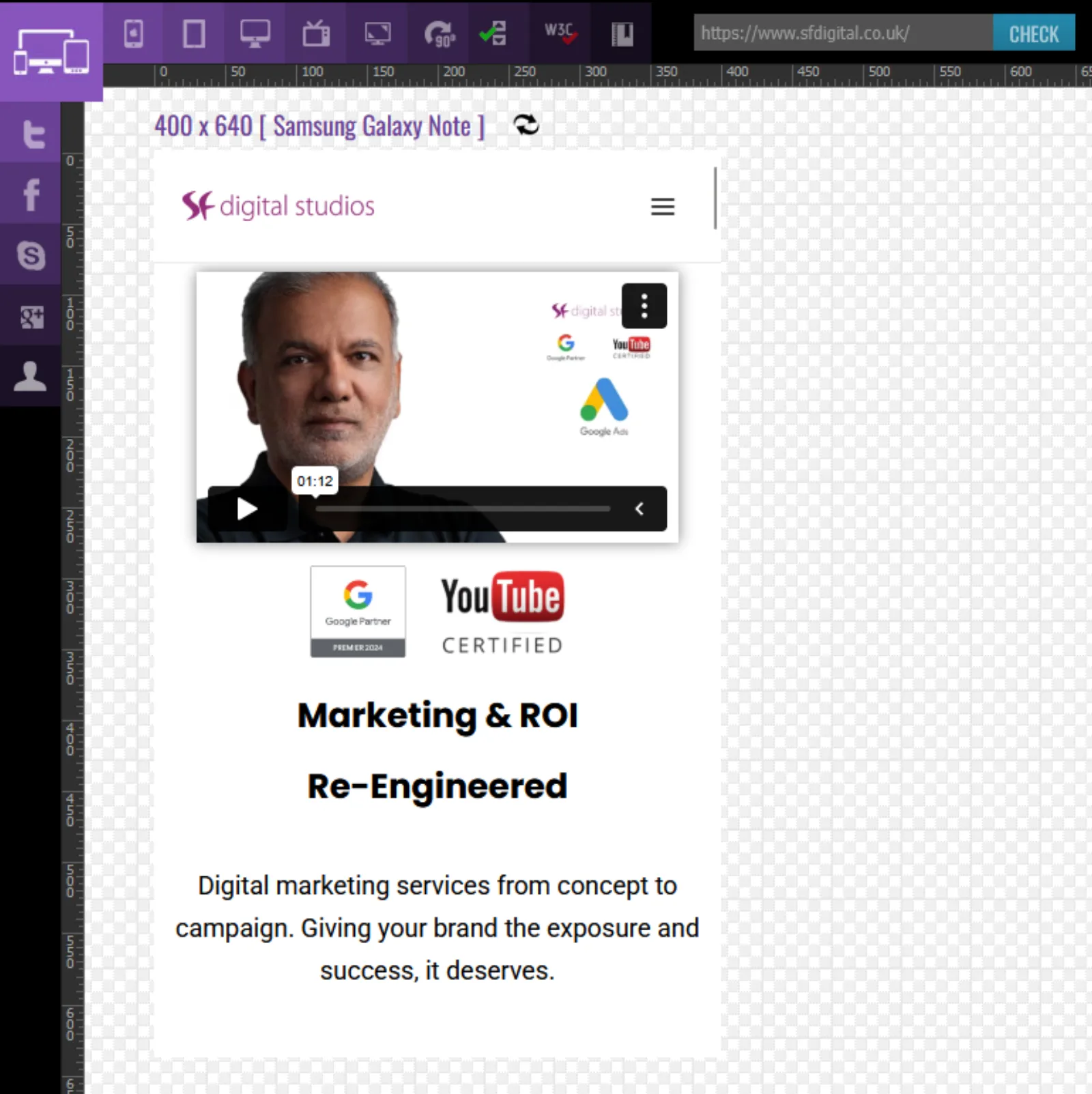
Google prioritises mobile-friendly sites. You risk losing ranking if your website isn’t optimised for mobile devices. Use tools like Semrush’s Site Audit tool to check your site’s mobile-friendliness and fix any issues that come up. Ensure your site loads quickly and looks good on all screen sizes.
9. Improve Page Speed
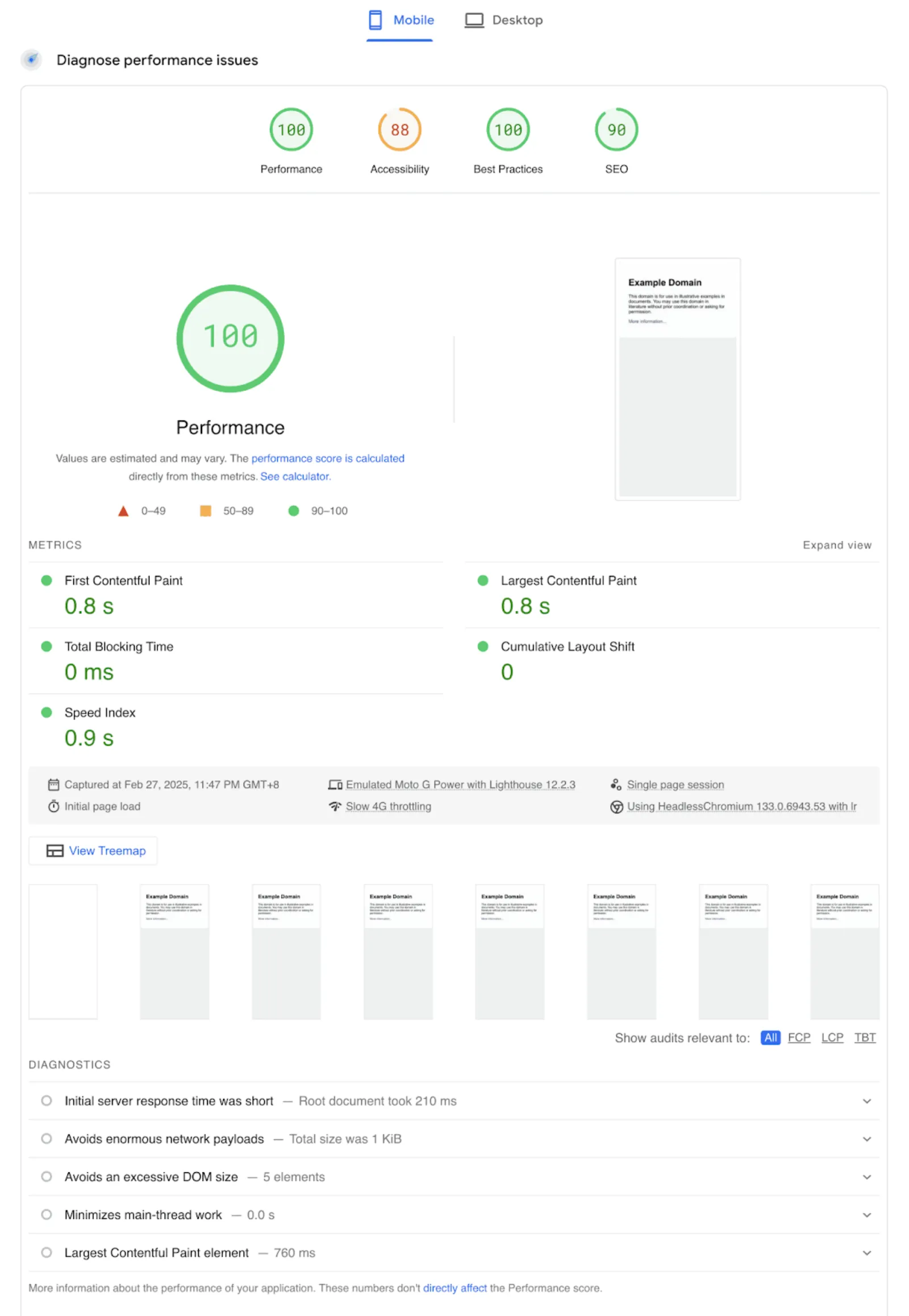
Page speed is another ranking factor. Faster websites provide a better user experience, which Google rewards. Use tools like Google PageSpeed Insights to identify issues affecting your page speed and work to resolve them. Aim for fast loading times to improve your rankings and keep visitors happy.
10. Fix Other Technical SEO Issues
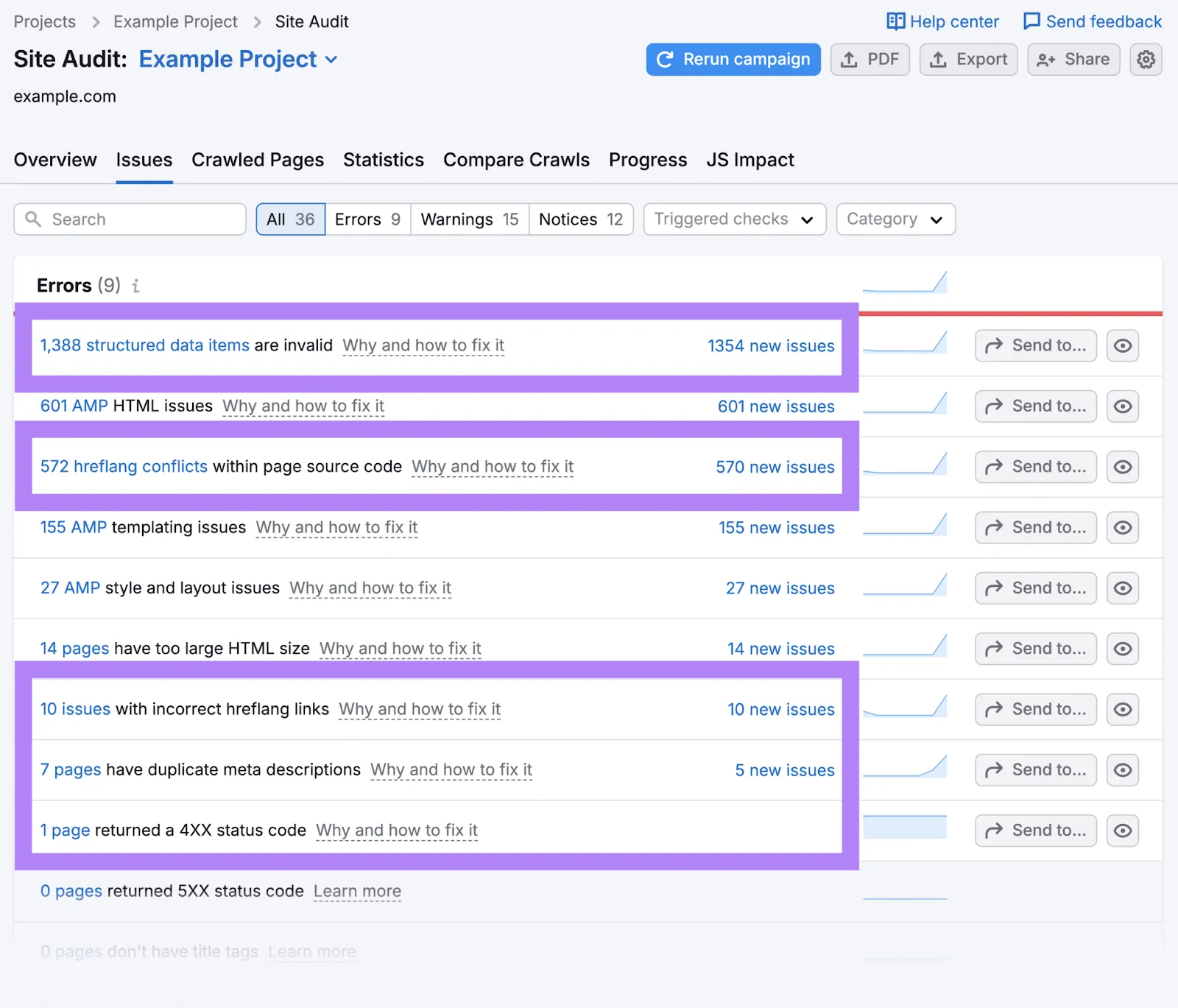
Technical SEO refers to the behind-the-scenes elements of your site that help Google crawl and index your content. Use Semrush’s Site Audit tool to find and fix issues like broken links, duplicate content, and problems with structured data. Resolving technical issues ensures Google can effectively understand and rank your content.
Track Your SEO Performance
Once you’ve implemented these strategies, track your progress. Regularly check your rankings and site health using SEO tools to see what’s working and needs improvement. Consistent monitoring helps you adjust your approach and keep climbing the search rankings.

Written by Uzair Kharawala
Partner at SF Digital Studios, a Google Premier Partner agency. Uzair has been helping businesses grow with Google Ads since 2002 and teaches it every week on YouTube.
Get our best Google Ads tips by email
New articles and videos, straight to your inbox. Unsubscribe any time.