
When you’re running Google Ads, using broad match keywords can help you reach a larger audience. But, just setting broad match keywords isn’t enough – you need to know how to make the most of them. In this post, I’ll explain three simple yet effective best practices that can help you expand your reach while keeping your campaigns under control.
1. Organise Ad Groups Around a Common Theme
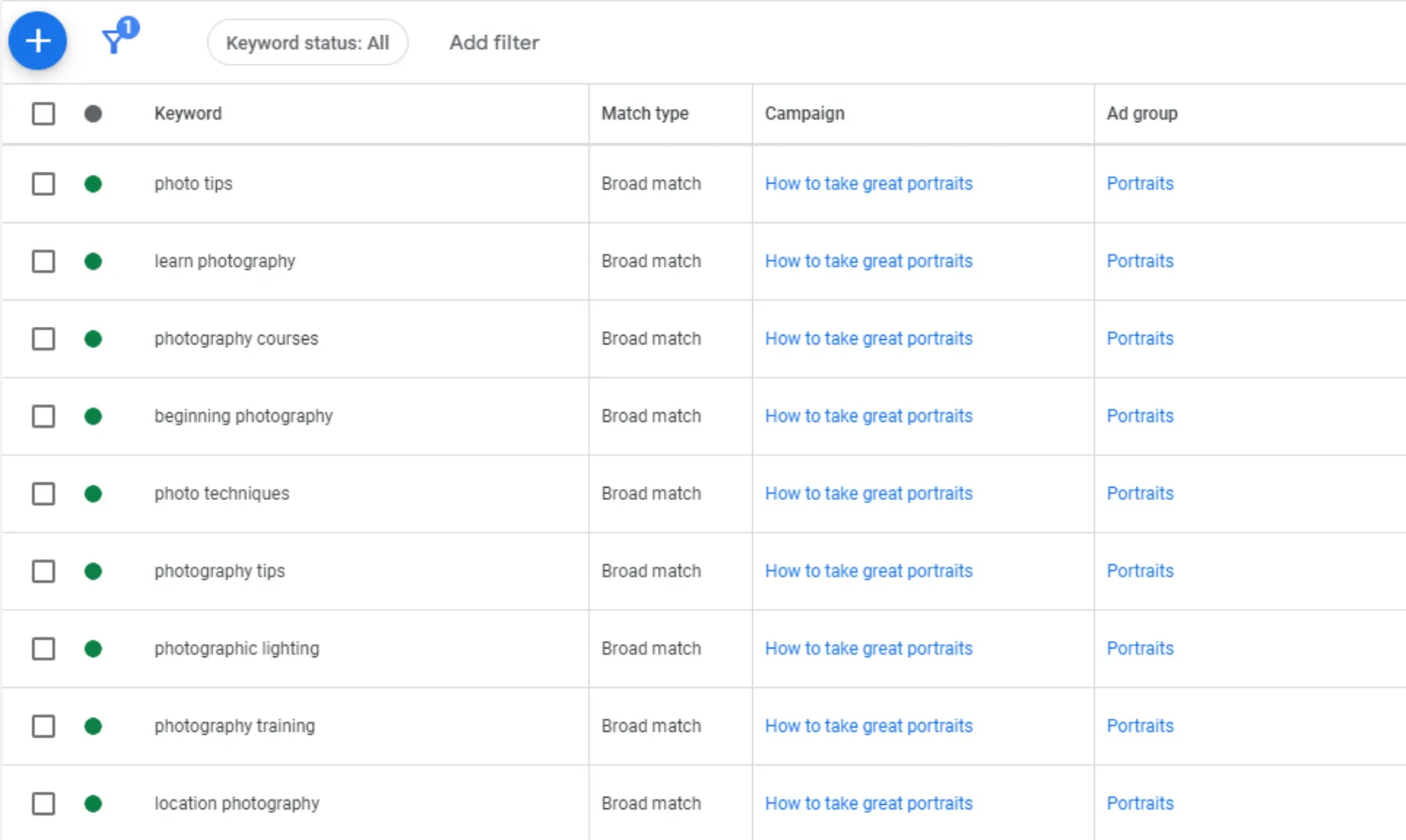
The first thing you need to do is make sure your ad groups are well-organised. Every ad group should be centred around a common theme. For example, if you’re running ads for a shoe store, create separate ad groups for categories like “running shoes,” “formal shoes,” or “sandals.”

Get Found, Get Chosen, Get Your Time Back
A free one-day marketing seminar in Milton Keynes · 10 November 2026
Why is this important? When your ad groups are tightly themed, Google’s algorithm will better understand the context of your ads. This can result in better targeting, more relevant clicks, and a broader reach – all while keeping your ads focused.
Get your free Marketing Action PlanNot sure where to start? Answer a few questions and get your plan in about a minute. No email needed.
 LIVE
Live every Tuesday at 2pm UK. Bring your marketing questions.
Get your Google, local SEO and AI questions answered live.
2. Use Brand Restrictions for Branded Campaigns
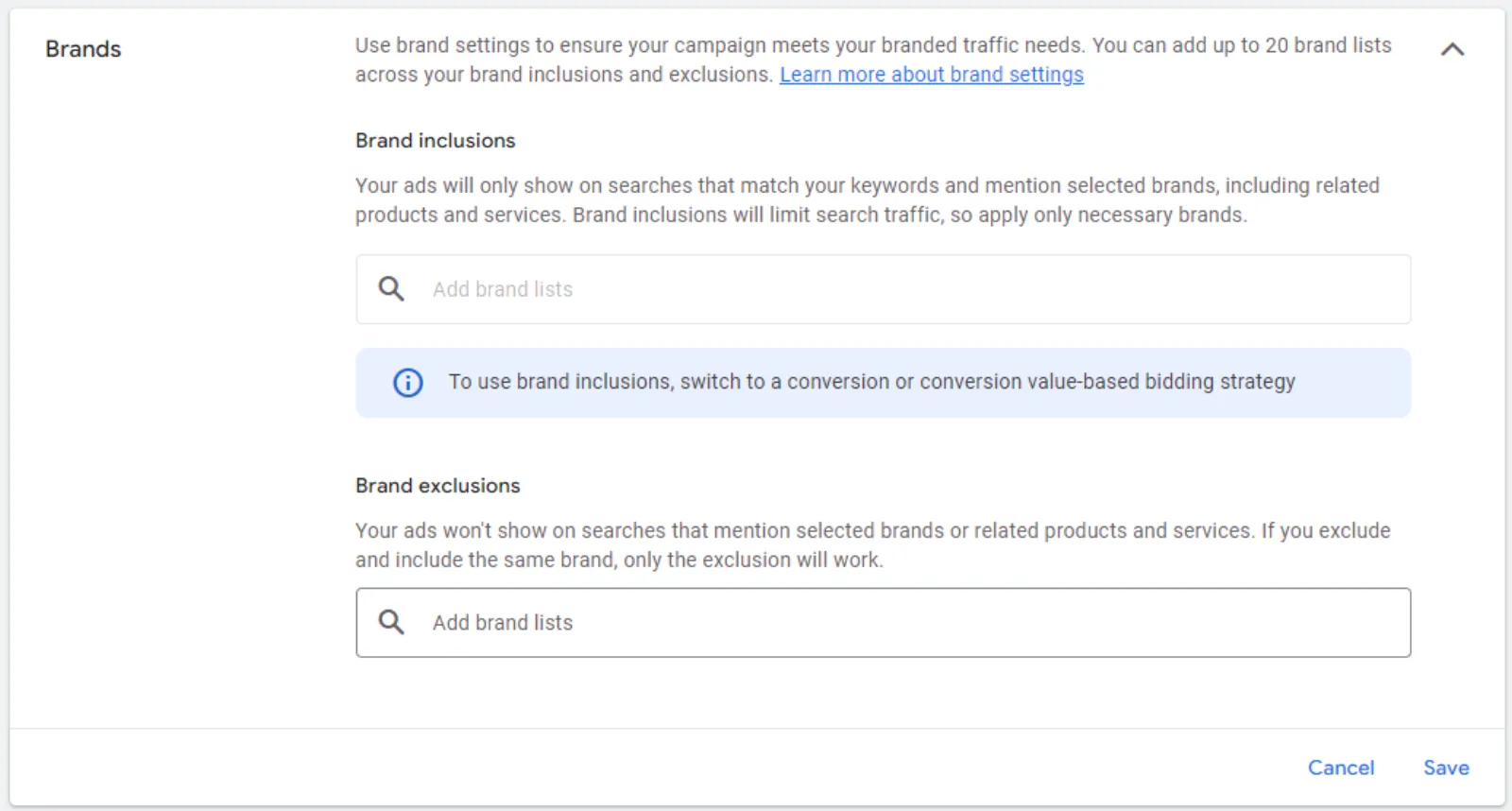
When using broad match in branded campaigns, it’s crucial to apply brand restrictions. You want to make sure that your ads show for searches that relate directly to your brand, not for irrelevant terms. Let’s say you’re running a campaign for a popular smartphone brand like “TechPhones.” If you don’t add brand restrictions, your ad might show for searches like “best phones for photography,” which might not be specifically what you’re looking for. Adding these restrictions keeps your ads more focused on users who are already familiar with your brand.
This practice helps you expand your reach without wasting your budget on clicks from users who are searching for unrelated products or brands.
3. Leverage Responsive Search Ads and AI-Powered Creative
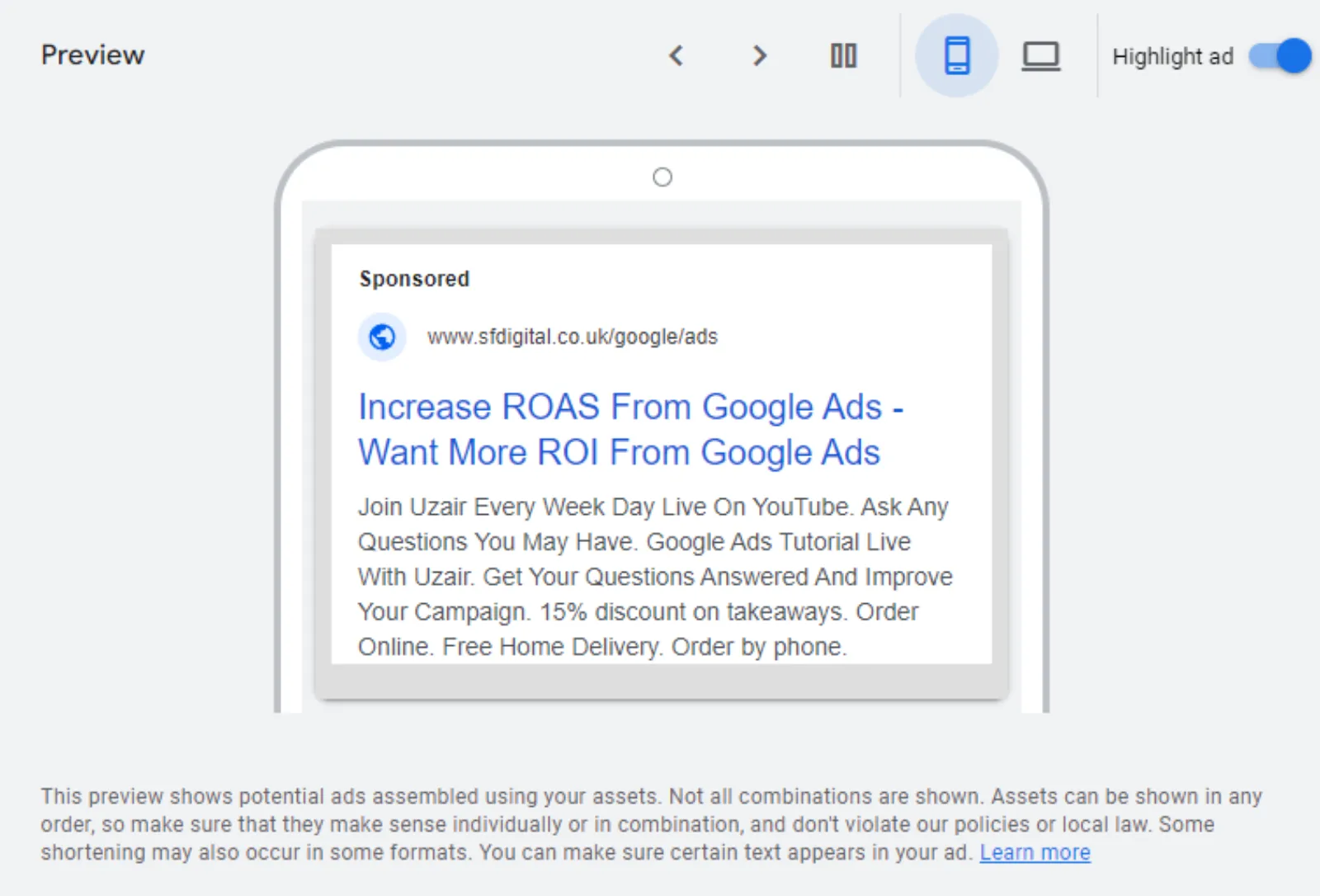
One of the best ways to make broad match work for you is by using responsive search ads (RSAs). RSAs allow you to input multiple headlines and descriptions, and Google automatically tests different combinations to find the ones that work best. When paired with broad match keywords, this flexibility helps you show up in more relevant searches.
AI-powered creative tools also give you an edge by generating better-performing ads over time. These tools analyse the data from your campaigns and tweak your ads to make them more effective, which means you get more reach with less effort.
Conclusion
By following these three best practices – organising ad groups around a common theme, using brand restrictions for branded campaigns, and making the most of responsive search ads and AI-powered creative – you can expand your reach with broad match while maintaining control over your campaigns. These strategies help ensure that your ads are not only seen by more people but also by the right people.

Written by Uzair Kharawala
Partner at SF Digital Studios, a Google Premier Partner agency. Uzair has been helping businesses grow with Google Ads since 2002 and teaches it every week on YouTube.
Get our best Google Ads tips by email
New articles and videos, straight to your inbox. Unsubscribe any time.