
Ever wonder how Google decides which ads to show when you search for something? It’s not just about who pays the most. There’s a whole auction happening behind the scenes every time you type in a query. Understanding this auction can give you a serious edge in your Google Ads campaigns. Let’s pull back the curtain and reveal the secrets of how it all works.
The Basics of the Google Ads Auction
When you search for something on Google, an auction is triggered instantly. This auction decides which ads appear and in what order. Unlike traditional auctions, it’s not just about the highest bid. Google’s auction focuses on relevance and quality to ensure users see useful ads. This means that even with a smaller budget, you can still outshine your competitors.
Get Found, Get Chosen, Get Your Time Back
A free one-day marketing seminar in Milton Keynes · 10 November 2026
Key Factors in the Auction
- Bid Amount: This is how much you’re willing to pay for a click on your ad. It’s an important factor, but not the only one.
- Quality Score: Google assigns a Quality Score to your ad based on its relevance to the keywords, the quality of your landing page, and the expected click-through rate (CTR). A higher Quality Score means your ad is more likely to appear higher up, even if your bid is lower than someone else’s.
- Ad Rank: This is determined by multiplying your bid amount by your Quality Score. So, a high Quality Score can help your ad rank better without needing to outbid your competitors.
How the Auction Works
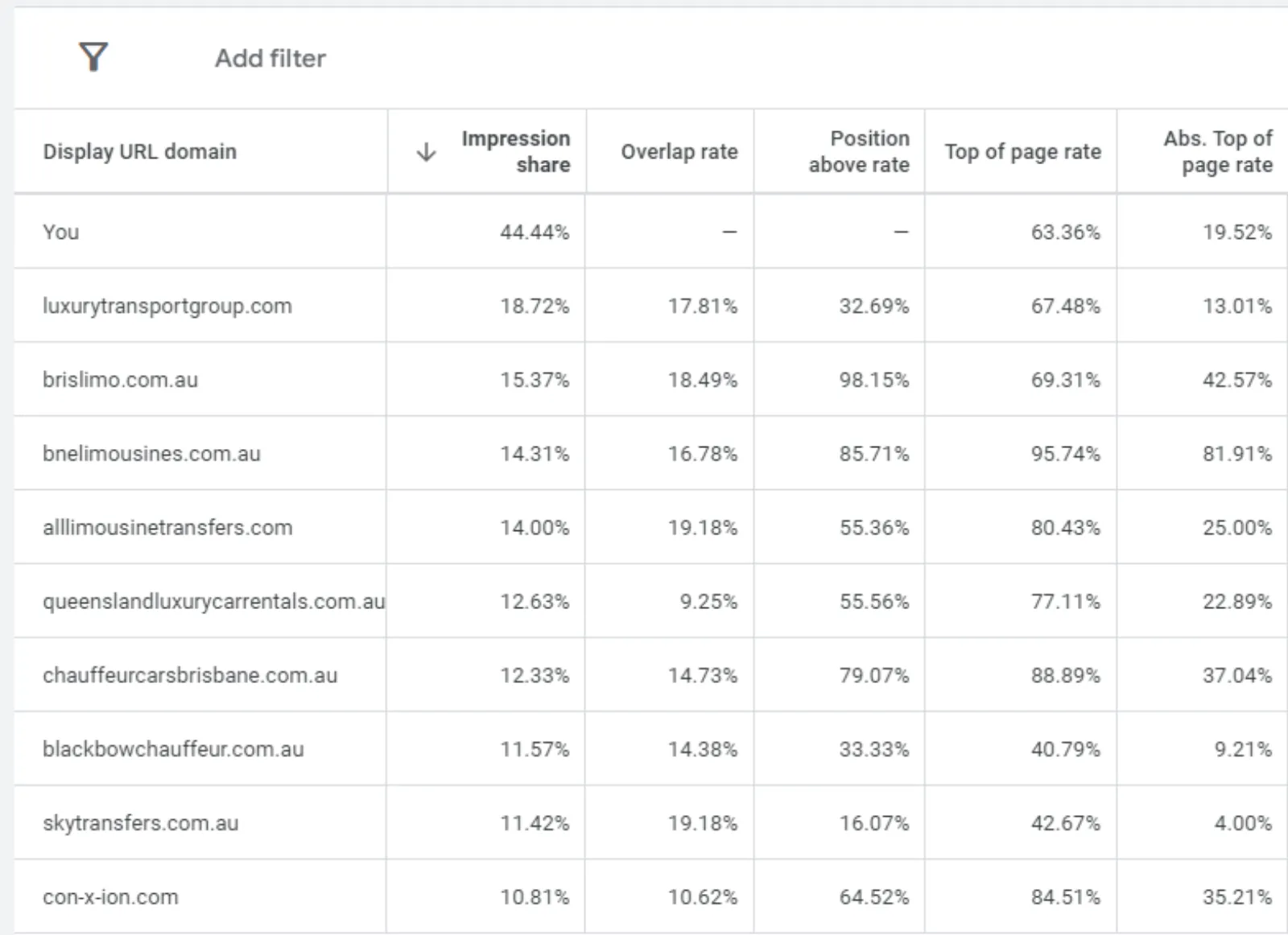
- Search Query: It all starts when a user types a query into Google.
- Ad Relevance: Google scans its inventory of ads and decides which ones are relevant to the query. Only ads that match the keywords get considered.
- Ad Rank Calculation: For each relevant ad, Google calculates an Ad Rank. This is done by multiplying the bid amount by the Quality Score. The ads with the highest Ad Rank get shown in the search results.
- Ad Positioning: The position of the ad on the search results page is based on the Ad Rank. The ad with the highest Ad Rank gets the top spot, and so on.
- Cost Per Click (CPC): The actual amount you pay for a click is calculated. It’s not necessarily your maximum bid. You typically pay just enough to beat the Ad Rank of the ad below yours.
Why Quality Matters
Google’s auction system is designed to prioritise relevance and user experience. This means that high-quality ads that provide value to users are rewarded. A well-crafted ad with a high Quality Score can outperform higher-bidding, lower-quality ads. This is why focusing on creating relevant, engaging ads is crucial.
Tips to Improve Your Ads
- Improve Your Quality Score: Focus on the relevance of your ads to the keywords. Make sure your landing page is high-quality and provides a good user experience.
- Use Relevant Keywords: Ensure that the keywords you’re bidding on are highly relevant to your business and your ads.
- Optimize Ad Copy: Write compelling ad copy that encourages users to click through to your site.
- Refine Your Landing Pages: Make sure your landing pages are user-friendly and relevant to the ad.
Understanding how the Google Ads auction works can transform your advertising strategy. By focusing on quality and relevance, you can achieve better results, even with a limited budget. So, the next time you set up a Google Ads campaign, remember it’s not just about how much you bid, but how good your ads are.

Written by Uzair Kharawala
Partner at SF Digital Studios, a Google Premier Partner agency. Uzair has been helping businesses grow with Google Ads since 2002 and teaches it every week on YouTube.
Get our best Google Ads tips by email
New articles and videos, straight to your inbox. Unsubscribe any time.