
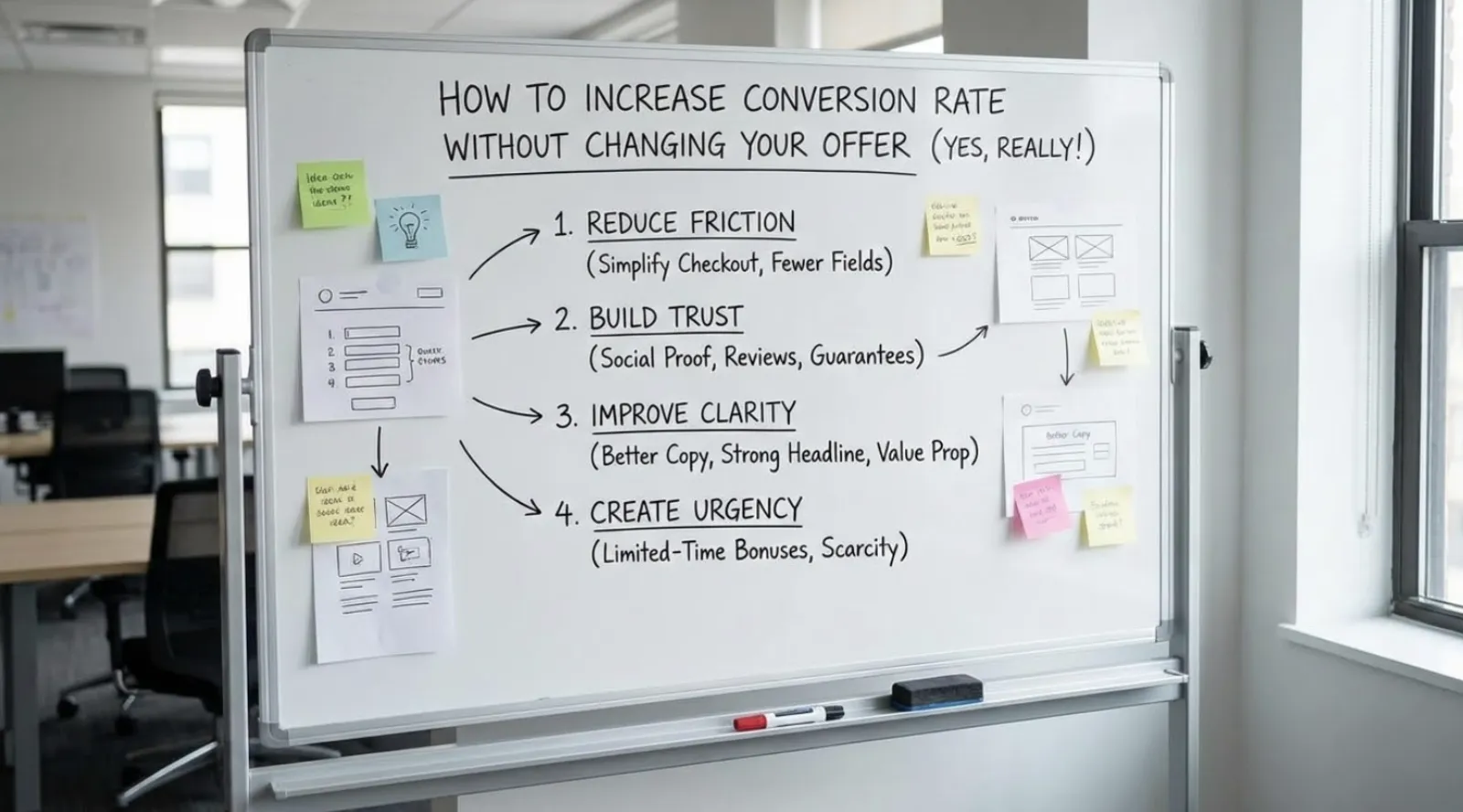
Is your website traffic high, but your sales or leads are stagnant? Do you constantly wonder if your product or service just isn’t compelling enough? What if you could dramatically boost your conversions without ever touching your core offer, pricing, or even developing new features? The truth is, many businesses are leaving money on the table. The solution isn’t a new product, but a smarter approach to what you already have, transforming your website performance and bottom line.
Understanding Your Audience: The Foundation of Conversion
Before any website tweaks or marketing campaigns, truly understand your target audience. Many businesses mistakenly assume they know their ideal customer, leading to generic messaging. A handmade jewelry business, for example, boosted sales by shifting focus from intricate designs to “meaningful gifts,” addressing a deeper customer need.

Get Found, Get Chosen, Get Your Time Back
A free one-day marketing seminar in Milton Keynes · 13 January 2027
To truly understand your customer, move beyond basic demographics. Identify their biggest frustrations, the problems your offer solves, and their desired outcomes. Create detailed buyer personas to understand their language and objections. This foundational work guides every conversion optimization effort effectively.
Get your free Marketing Action PlanNot sure where to start? Answer a few questions and get your plan in about a minute. No email needed.
Get my plan →Optimizing Your Website Experience: A Seamless Journey
Imagine a cluttered store with confusing signs. You’d leave, right? The same applies to your website. A clunky, slow, or confusing website is a massive conversion killer, regardless of your incredible product. Google found that page load time from one to three seconds increases bounce probability by 32%.
Start by checking your website speed with tools like Google PageSpeed Insights. Focus on mobile responsiveness; a poor mobile experience deters many users. Simplify your navigation, ensuring visitors find what they need in a few clicks. Eliminate unnecessary steps in forms or checkout processes to reduce friction and improve the customer journey.
Crafting Irresistible Copy That Speaks Volumes
Even with an amazing offer and a beautiful website, if your words aren’t connecting, conversions suffer. Effective copy communicates value, builds desire, and guides action. Many small businesses list features, but customers care about benefits, not features, like “save 10 hours a week,” not just “X function.”
Frame your offer as solutions to customer problems, not just descriptions. A coaching service significantly increased inquiries by shifting from “One-on-one business coaching” to “Unlock Your Business Growth.” Use clear, concise language, avoiding jargon. Employ the AIDA framework (Attention, Interest, Desire, Action) for powerful, persuasive communication.
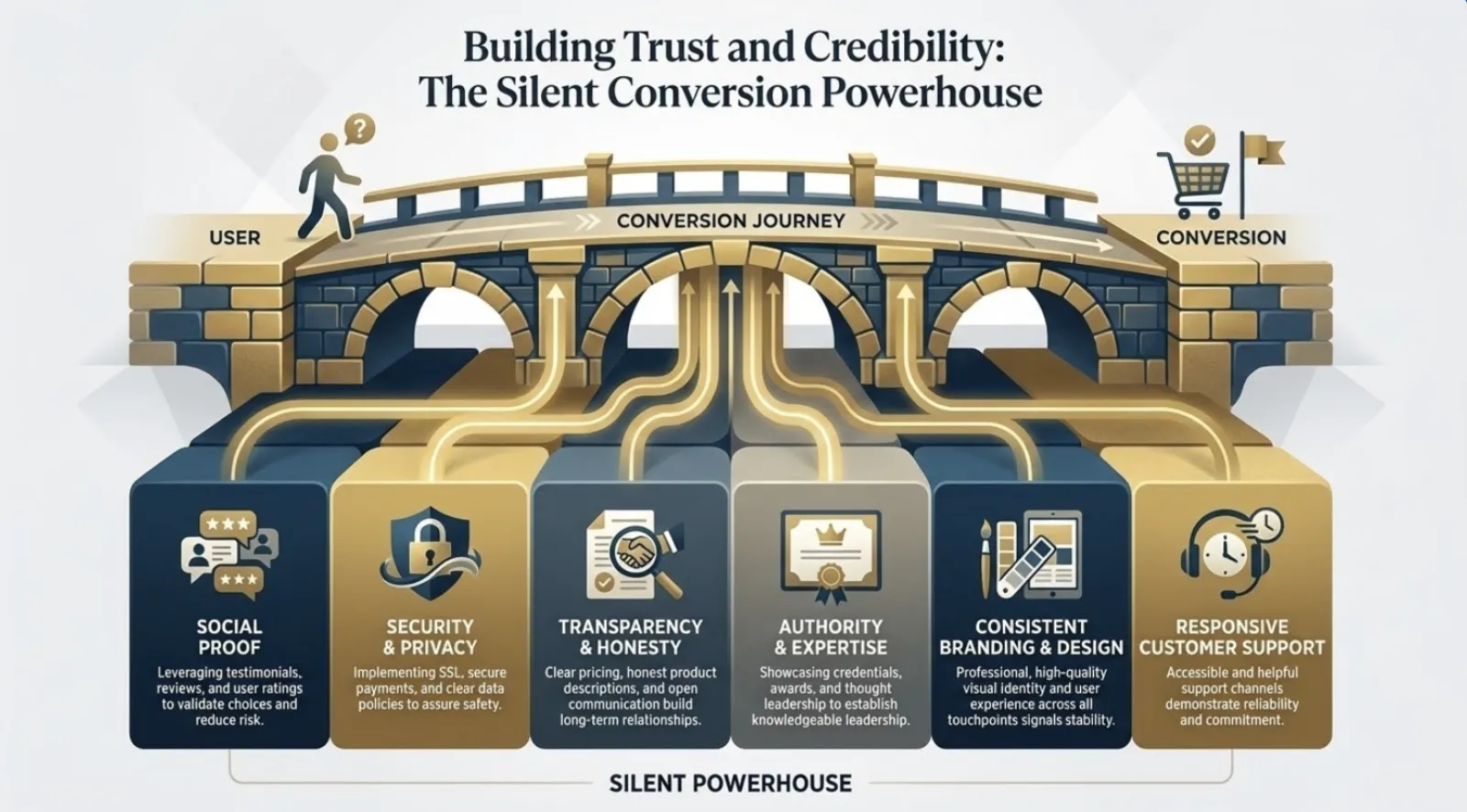
Building Trust and Credibility: The Silent Conversion Powerhouse
In today’s crowded online marketplace, trust is the ultimate currency. Without it, even the most compelling offer will struggle to convert. People actively seek validation before they commit. A BrightLocal survey found 87% of consumers read online reviews for local businesses in 2022.
Actively solicit and showcase customer testimonials, reviews, and social proof prominently on your site. Video testimonials are powerful. Display security badges (SSL certificates, payment processor logos) and clear privacy policies. Featuring client logos or industry awards instantly elevates perceived credibility, leading to higher sign-ups.
Streamlining Your Call to Action (CTA): Guiding the Next Step
Your call to action (CTA) guides visitors to the next crucial step. A vague CTA, like “Submit,” can undo all previous efforts. Your CTA needs to be clear, concise, and benefit-driven, explaining what happens next and the value received. Try “Get Your Free E-book” instead of “Download.”
Consider the placement of your CTAs, ensuring visibility, especially on mobile. Important CTAs should be “above the fold.” Use contrasting colors to make buttons stand out. Experiment with appropriate urgency or scarcity. Small adjustments to your CTA can yield surprising boosts in conversion, making the next step irresistible.
 LIVE
Live every Tuesday at 2pm UK. Bring your marketing questions.
Get your Google, local SEO and AI questions answered live.
Leveraging Data for Continuous Improvement: The Smart Approach
Without data, optimizing your conversion rate is like sailing without a compass. Free tools like Google Analytics tell you where visitors come from, what pages they visit, and where they exit. This information is gold for identifying bottlenecks in your conversion funnel. Let numbers guide your decisions. High bounce rates on a page indicate a problem; perhaps poor images or unclear descriptions. Heatmap tools visually show user interaction. A/B testing compares page elements to see which performs better. Start small, focus on one metric, and make one change at a time for impactful results.
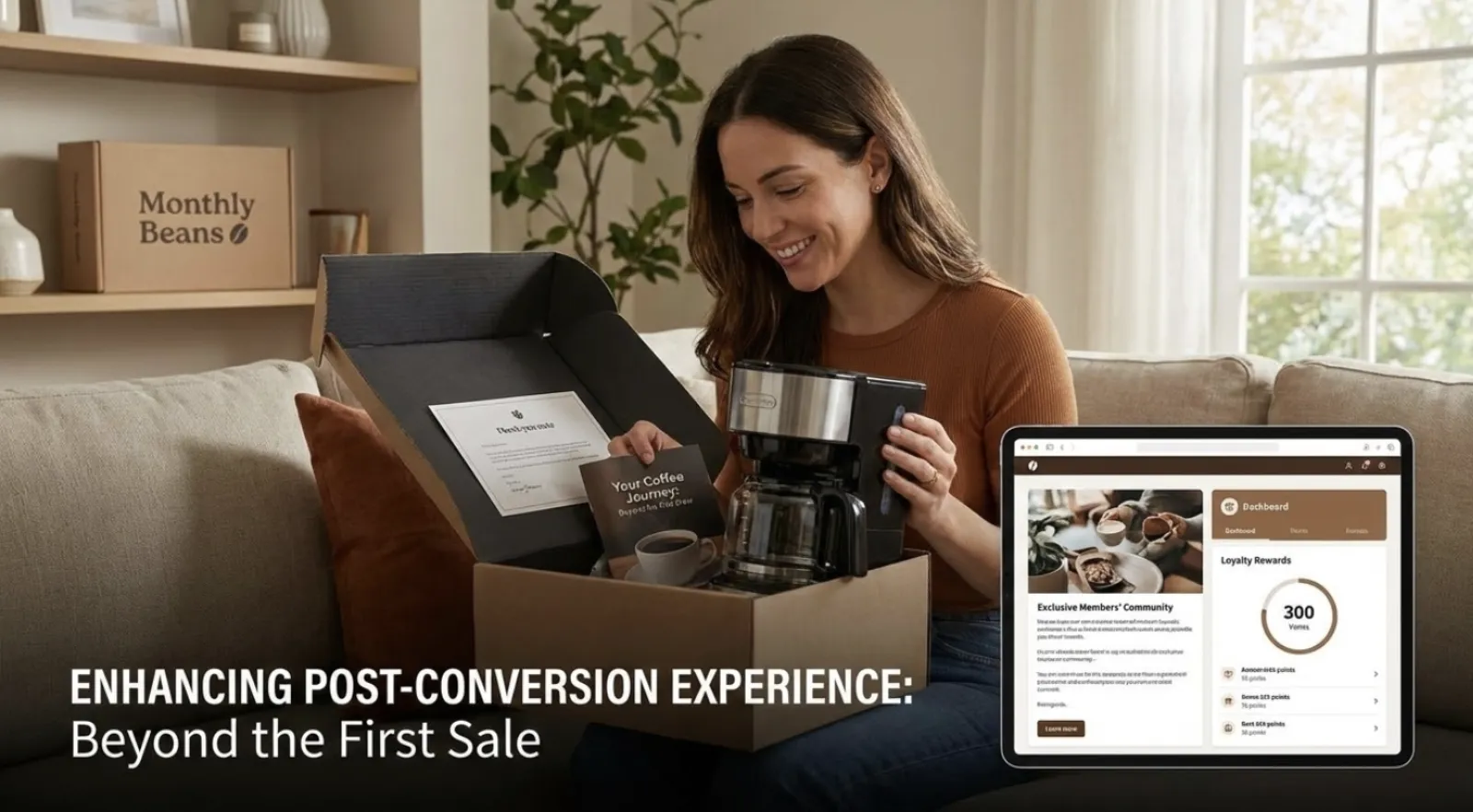
Enhancing Post-Conversion Experience: Beyond the First Sale
Many businesses mistakenly believe the conversion journey ends after a purchase. The post-conversion experience critically influences future conversion rates and customer lifetime value. A positive experience fosters loyalty, encourages repeat business, and turns customers into advocates driving referrals.
What happens immediately after conversion? An instant, personalized thank-you email? Clear onboarding? For e-commerce, thoughtful follow-ups with tracking or care instructions make a difference. For lead generation, a welcome sequence provides valuable content. Making customers feel valued after their initial action builds relationships, leading to more conversions and sustainable growth.
Frequently Asked Questions About Conversion Rate Optimization
Here are some common questions small business owners and non-technical readers ask about improving conversion rates without changing their core offer.
1. What is conversion rate optimization (CRO) in simple terms?
CRO is improving your website so a higher percentage of visitors take a desired action, like making a purchase, filling a form, or calling your business. It makes your existing website traffic work harder for you.
2. How quickly can I expect to see results from CRO efforts?
The timeline varies. Small changes, like a clearer call to action, can show results in days or weeks. More complex A/B tests might require 2-4 weeks to gather statistically significant data.
3. Do I need a big budget or technical skills to improve my conversion rate?
No, not necessarily. Many effective CRO strategies involve simple, low-cost changes to your website copy, design, or user experience. Free tools like Google Analytics are excellent starting points for small businesses.
4. What’s the single most important thing I can do to start improving my conversion rate today?
Focus on understanding your customer’s journey and pain points. Review your website through their eyes. Is it easy to navigate? Is the value clear? Address the biggest, most apparent points of friction first.
5. How do I know if my website changes are actually working?
Track your conversions before and after changes using analytics tools. Look for increases in your target conversion metric (e.g., sales). A/B testing allows direct comparison of page elements to see which converts better.
Final Thoughts: Your Path to Higher Conversions Starts Now
The journey to increasing your conversion rate doesn’t demand an expensive overhaul. The power lies in refining what you already have: understanding your audience, optimizing your website, crafting compelling copy, building trust, and guiding with clear calls to action.
These strategic shifts create a more effective, profitable online presence, maximizing existing traffic. You have an incredible offer; implementing these actionable strategies will unlock significant growth. Start optimizing your customer journey today and watch your conversion rates soar!

Written by Uzair Kharawala
Partner at SF Digital Studios, a Google Premier Partner agency. Uzair has been helping businesses grow with Google Ads since 2002 and teaches it every week on YouTube.
Get our best Google Ads tips by email
New articles and videos, straight to your inbox. Unsubscribe any time.