
Google Ads is a powerful platform for businesses to advertise their products or services online. However, simply setting up an ad campaign is not enough to achieve success. To make the most of your advertising budget, it is important to optimise your ads and constantly monitor their performance. In this blog post, we’ll discuss the data you need to see while optimising Google Ads to achieve maximum ROI.
Click-Through Rate (CTR)
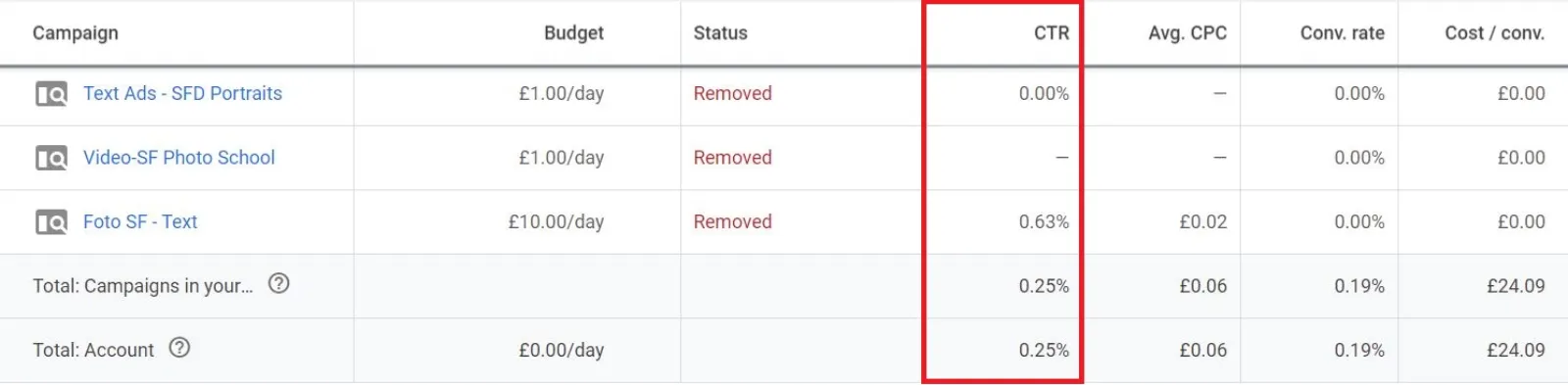
CTR is a key performance indicator that measures the ratio of clicks to impressions of your ad. A high CTR indicates that your ad is relevant to your target audience and encourages them to click through to your website. A low CTR, on the other hand, may suggest that your ad copy or targeting needs improvement.
Cost Per Click (CPC)
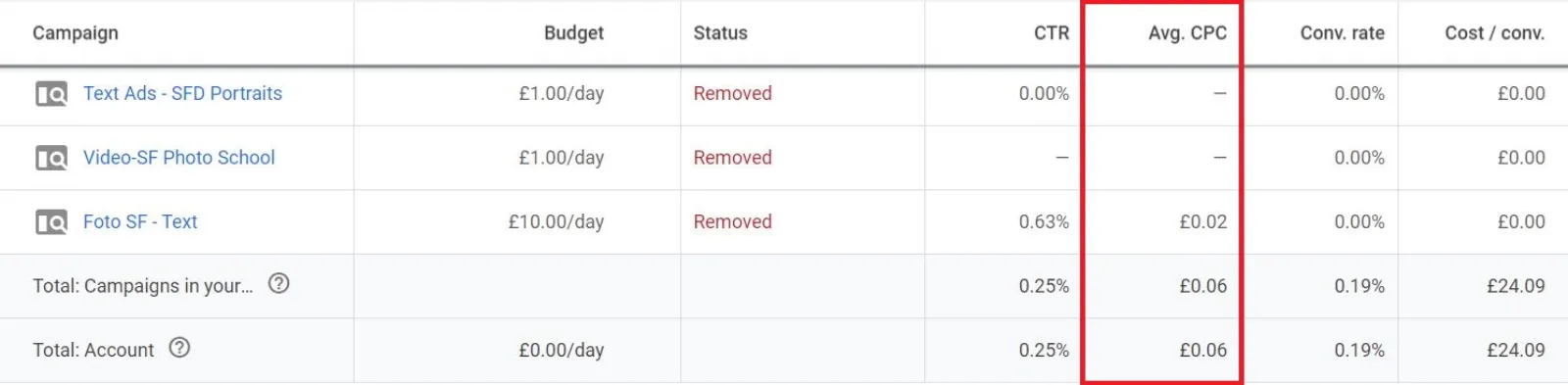
CPC measures the cost of each click on your ad. It’s important to monitor CPC to ensure that you’re not overspending on clicks that are not leading to conversions. You should aim to keep your CPC low while still maintaining a high CTR.
Conversion Rate (CR)
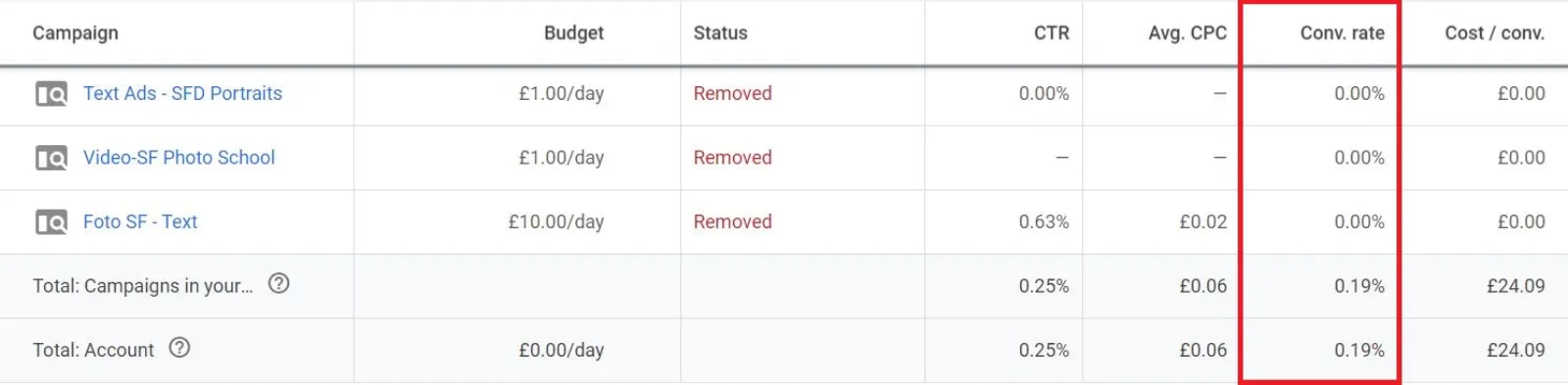
Conversion rate measures the percentage of clicks that lead to a desired action, such as a sale, sign-up, or download. A high conversion rate indicates that your ad is effective in persuading users to take action on your website. It’s important to track your conversion rate and identify ways to improve it, such as by optimising your landing page or refining your ad targeting.
Cost Per Acquisition (CPA)
CPA measures the cost of acquiring a new customer. It takes into account both the cost of clicks and the conversion rate. A low CPA means that you’re getting more conversions for less money, which is the ultimate goal of any ad campaign.
Return On Ad Spend (ROAS)
ROAS measures the revenue generated from your ad campaign compared to the cost of the campaign. A high ROAS indicates that your ad campaign is profitable, while a low ROAS means that you’re not generating enough revenue to justify the cost of the campaign. It’s important to set a target ROAS and adjust your ad campaign accordingly to achieve maximum ROI.
By monitoring these key metrics, you can optimise your Google Ads campaign to achieve maximum ROI. However, it’s important to remember that optimisation is an ongoing process. You should regularly review and adjust your ad campaign based on the data to ensure that you’re getting the best results possible.

Written by Uzair Kharawala
Founder of SF Digital Studios, a Google Premier Partner agency. Uzair has been helping businesses grow with Google Ads since 2002 and teaches it every week on YouTube.
Get our best Google Ads tips by email
New articles and videos, straight to your inbox. Unsubscribe any time.