
These call-only ads are a specific ad type that enables companies to receive more customer calls. It’s a particularly effective strategy for brands offering services or products that customers can purchase speedily.
Call-only ads only deliver to mobile devices that can make phone calls. However, you need to insert a landing page to allow users to research your services and products. As such, you’ll probably receive a couple of clicks.
Only getting clicks from your call-only campaign? What should you do? Let’s take a look.
What Are Call-Only Ads?
This ad type allows consumers to get in touch with your company instantly – they won’t need to scour the net for a telephone number. You’ll only find call-only ads on the search network. While you still have a call to action and ad copy, rather than marketing a landing page, you’re promoting your company’s telephone number.
Don’t confuse these ads with call extensions, though. Google Ads has numerous extensions you can use to market a specific part of your company, like where you’re based. Your extension is affixed to a broader campaign with the search network then Google adds a specific extension based on the user query.
Depending on the user intent, the call extensions may be visible in the SERP. Instead, call-only campaigns concentrate exclusively on getting more calls to your company. Your telephone number replaces the headline, which you can normally see in the ad preview. Users can swiftly click on your telephone number to reach out to you.
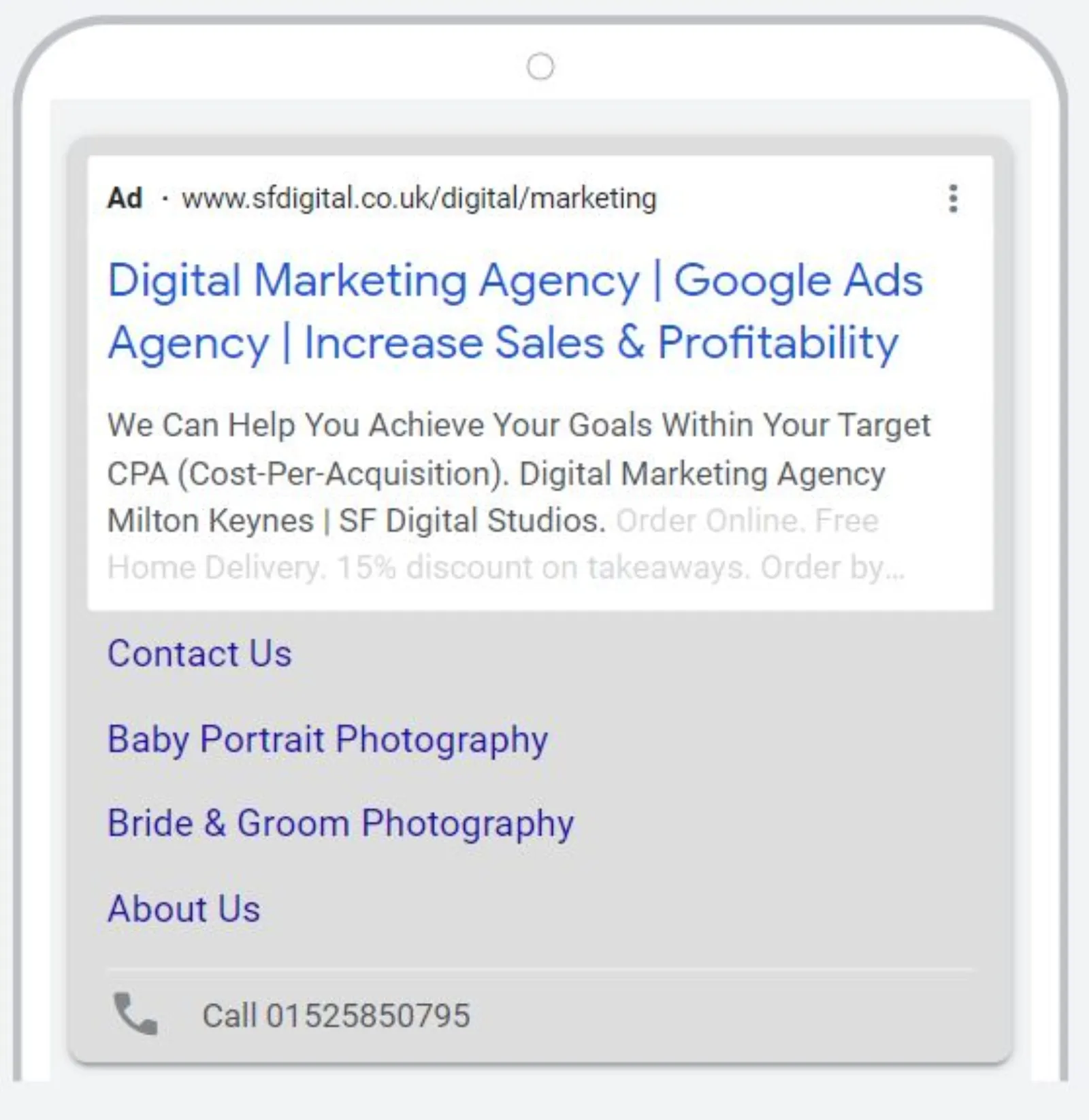
Call-only ads contain the following features:
- Telephone number
- Name of your company
- The first line of your advert (maximum of 35 characters)
- The second line of your advert (maximum of 35 characters)
- Your display link
Why Aren’t I Getting Calls?
Are you running a paid search campaign to encourage clients to get in touch via telephone but instead, they’re only clicking on your landing page? There may be a few problems with how you set up your ads campaign. Let’s take a look at what may be causing your users to click rather than call:
Your Product Isn’t Right
Call-only ads are best suited to services and products in which users can decide instantly whether or not they should buy. For example, running a call-only campaign to market your fitness centre’s telephone number is an excellent idea because customers can Google the relevant search phrase, view your number, and book a session immediately. That said, several services and products don’t suit impromptu buys.
You Aren’t Captivating Enough
For a call-only campaign, there are two steps involved:
- Step 1: the consumer clicks on your telephone number.
- Step 2: Their smartphone shows the number then the user must press the “Call Now” button to initiate the call.
The extra time involved in pressing the “call now” button may mean you lose these customers. Think about creating copy that entices people to reach out to your business directly. Make it obvious in your ad why they need to get in touch.
You’re Failing To Match User Intent
Sure, your service or product may be ideally suited for this campaign type, but the consumers you’re aiming it at might not be in the mood to purchase yet. While several users type in what they want to buy immediately, others are only window shopping. If you target someone who’s only browsing with call-only ads, there’ll be a dip in your conversion rate.
It all comes down to what keywords you’re using in your Google Ads campaign. If you use generic keywords, this may boost your chances of your ad being delivered. Yet, it may also mean you aren’t reaching the correct users.
Let’s say you’re trying to get people to sign up for your gym. There’s a big distinction between “fitness centre” and “sign up to gym”. The first is too ambiguous and doesn’t indicate the user’s intent – it’s purely informational. But the next term suggests the person is specifically searching for a gym to join. Which search term would be more likely to call?

Written by Uzair Kharawala
Founder of SF Digital Studios, a Google Premier Partner agency. Uzair has been helping businesses grow with Google Ads since 2002 and teaches it every week on YouTube.
Get our best Google Ads tips by email
New articles and videos, straight to your inbox. Unsubscribe any time.