Are you looking to optimise your Google Ads account for maximum return on investment (ROI)? One of the key factors that contribute to a successful Google Ads campaign is its structure. A well-structured account can help you improve your campaign’s performance and generate better results. In this blog post, we will discuss how to structure your Google Ads account for maximum ROI.
Understand Your Business Goals
The first step to structuring your Google Ads account is to understand your business goals. Identify what you want to achieve from your Google Ads campaigns. Do you want to increase your website traffic, generate leads, or drive more sales? Your goals will guide you in setting up your account, choosing the right campaign types, and selecting the right keywords.
Get Found, Get Chosen, Get Your Time Back
A free one-day marketing seminar in Milton Keynes · 10 November 2026
Create Campaigns Based On Your Business Goals
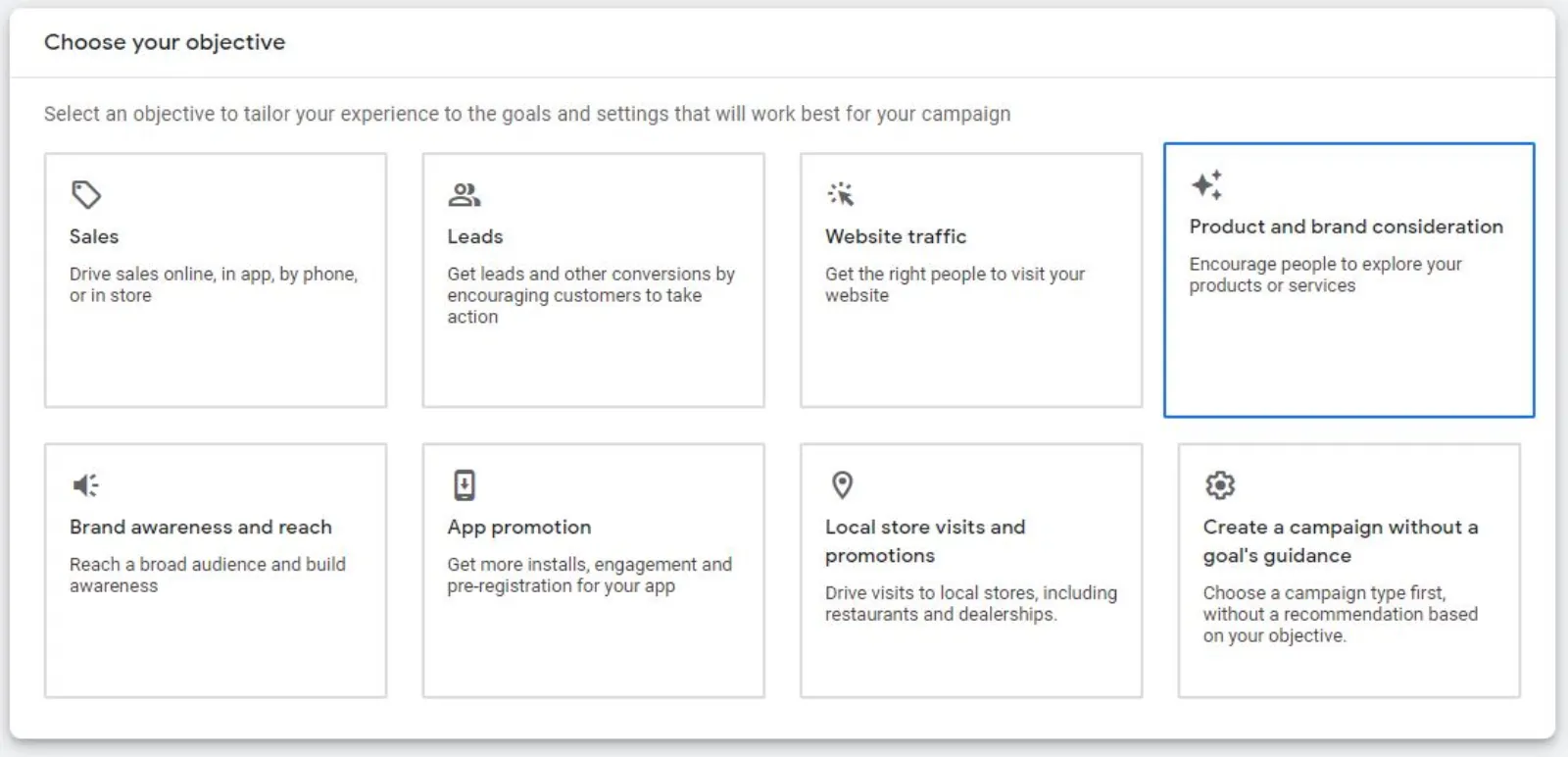
Once you have identified your business goals, create campaigns that align with them. Google Ads offers various campaign types to choose from, such as search campaigns, display campaigns, shopping campaigns, and video campaigns. For instance, if your goal is to increase your website traffic, you can create search campaigns that target keywords related to your business. If your goal is to drive sales, you can create shopping campaigns that showcase your products to potential customers.
Get your free Marketing Action PlanNot sure where to start? Answer a few questions and get your plan in about a minute. No email needed.
Get my plan →Use Ad Groups To Group Related Keywords
Ad groups are subcategories within campaigns that contain a set of related keywords and ads. Creating ad groups that focus on specific themes or products can help you improve the relevance of your ads to the searcher’s intent. This can lead to better click-through rates, quality scores, and ultimately, better ROI.
 LIVE
Live every Tuesday at 2pm UK. Bring your marketing questions.
Get your Google, local SEO and AI questions answered live.
Utilise Negative Keywords
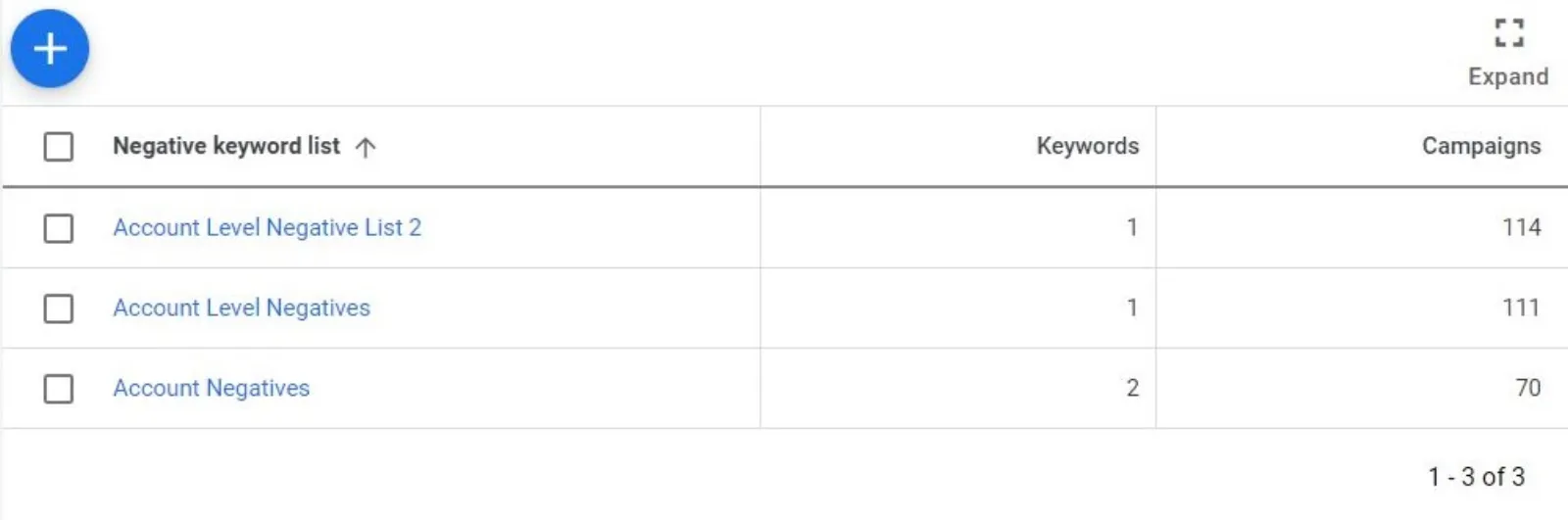
Negative keywords are the keywords that you don’t want your ads to appear for. For example, if you are selling luxury products, you may not want your ads to appear for searches related to ‘cheap’ or ‘discounted’ products. By adding negative keywords to your campaigns, you can ensure that your ads only appear for relevant searches. This can help you save money on irrelevant clicks and improve the performance of your campaigns.
Implement Ad Extensions
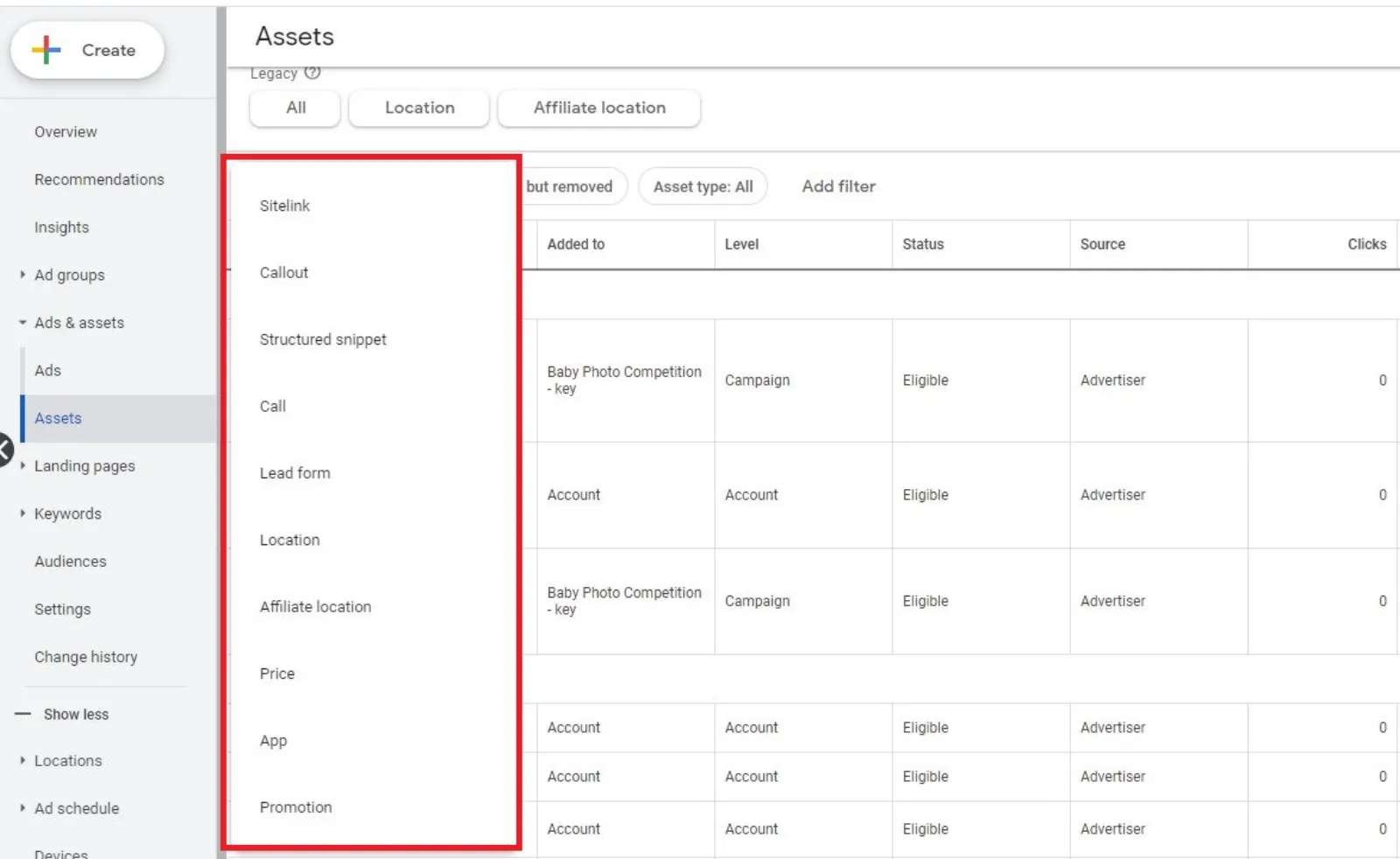
Ad extensions are additional pieces of information that can be added to your ads to make them more informative and compelling. These can include your phone number, location, additional links, and more. By implementing ad extensions, you can improve your ad’s visibility and increase the chances of getting clicks. This can lead to better ROI and more conversions.
Track Your Conversions
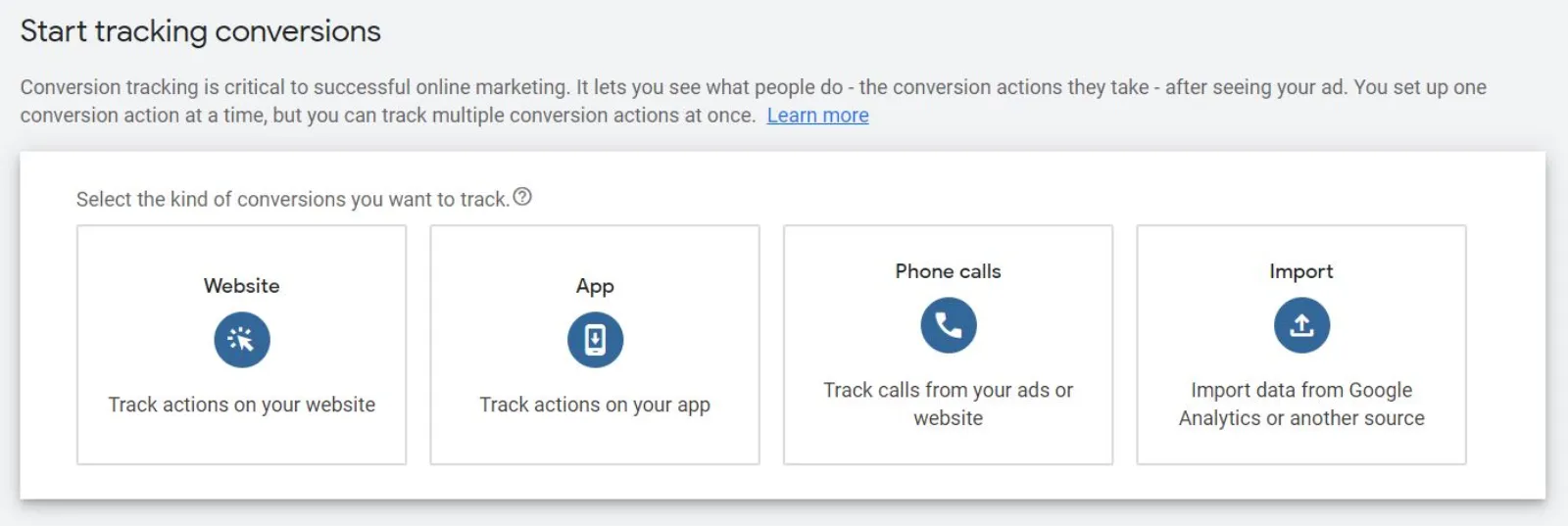
Tracking your conversions is crucial in determining the success of your Google Ads campaigns. Conversions can be anything from a sale, a lead, or a sign-up. By tracking your conversions, you can identify which campaigns and ad groups are performing well and which ones need optimisation. This can help you allocate your budget more effectively and achieve better ROI.
Regularly Review And Optimise Your Campaigns
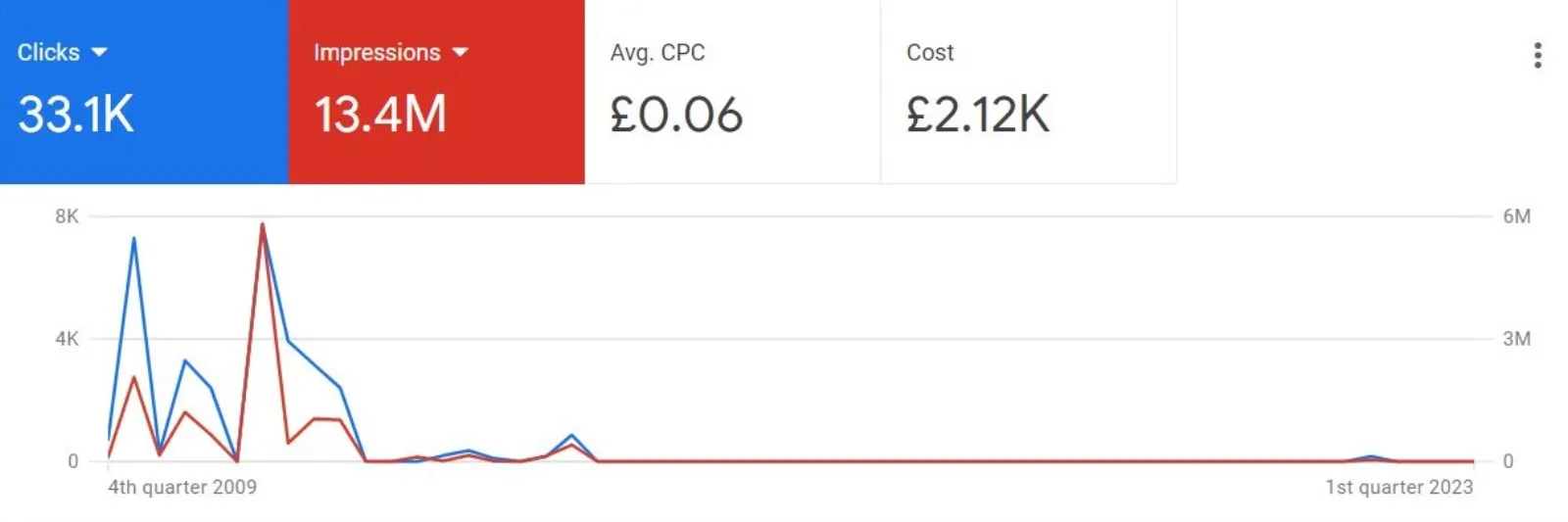
Regularly reviewing and optimising your campaigns is crucial to improving their performance. This can include tasks such as refining your keywords, adjusting your bids, testing different ad copies, and more. By optimising your campaigns, you can improve their relevance, quality scores, and ultimately, their ROI.
In conclusion, a well-structured Google Ads account can help you achieve maximum ROI from your campaigns. By understanding your business goals, creating campaigns that align with them, using ad groups to group related keywords, utilising negative keywords, implementing ad extensions, tracking your conversions, and regularly reviewing and optimising your campaigns, you can improve the performance of your campaigns and generate better results.

Written by Uzair Kharawala
Partner at SF Digital Studios, a Google Premier Partner agency. Uzair has been helping businesses grow with Google Ads since 2002 and teaches it every week on YouTube.
Get our best Google Ads tips by email
New articles and videos, straight to your inbox. Unsubscribe any time.