
If you’re running Google Ads in 2025, you’re not just competing with other brands; you’re up against smarter algorithms, tighter budgets, and more crowded markets. But there’s one thing that hasn’t changed: keyword research is still at the heart of a successful campaign.
In this post, I’m going to break down keyword research in a way that makes sense, especially if you’re not a seasoned expert. No AI-generated fluff. Just clear, honest tips from someone who’s spent real time testing what works and what doesn’t. Let’s get into it.

Get Found, Get Chosen, Get Your Time Back
A free one-day marketing seminar in Milton Keynes · 10 November 2026
Why Keyword Research Still Matters in 2025
It’s tempting to think that Google Ads has become all about automation. Smart campaigns, Performance Max, and AI suggestions, you might think manual keyword research is outdated. It’s not.
Get your free Marketing Action PlanNot sure where to start? Answer a few questions and get your plan in about a minute. No email needed.
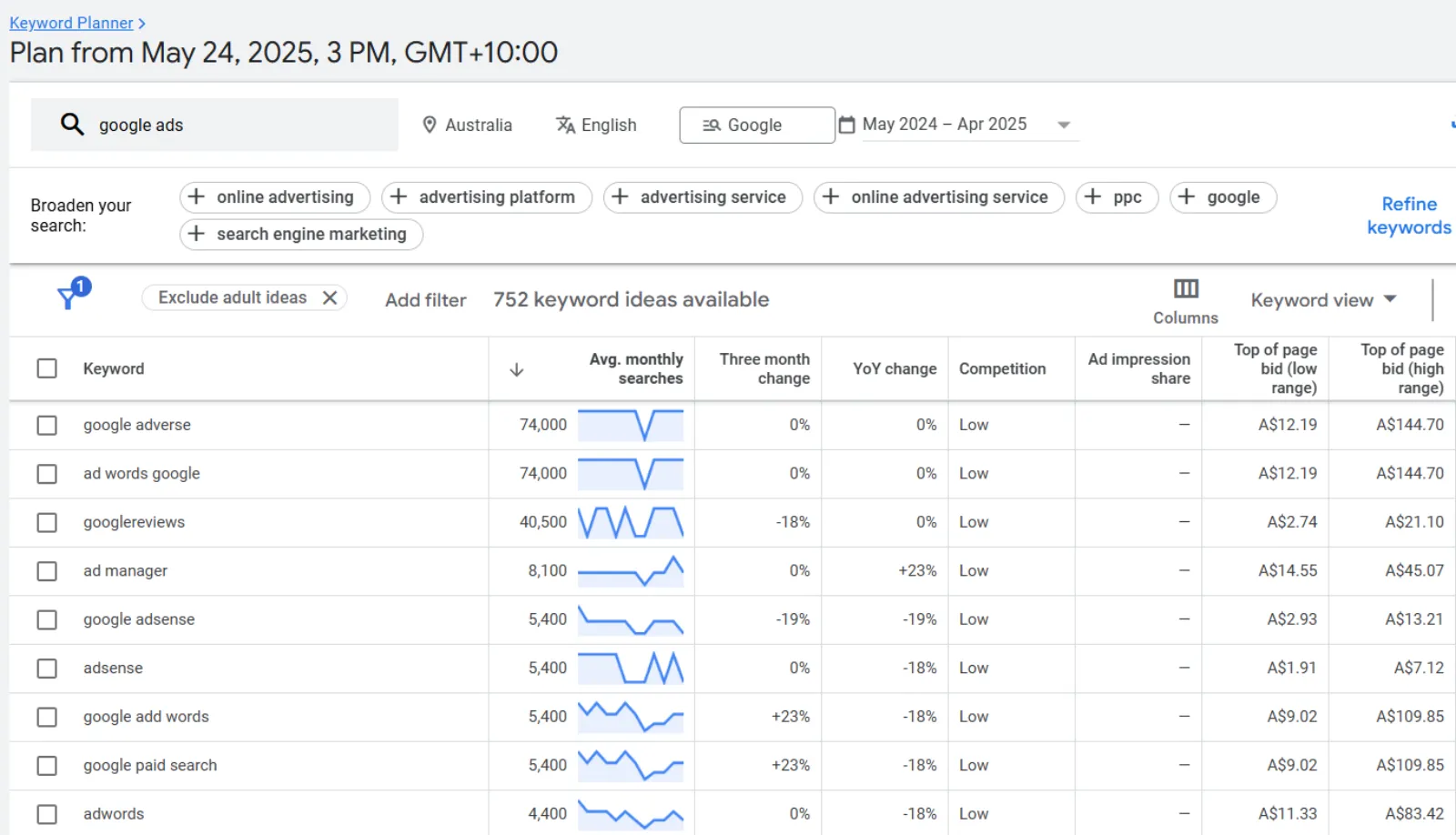
Get my plan →Here’s why: Google’s smart features are only as good as the data you feed them. And keywords? They’re data. If you understand what your audience is searching for, you can guide Google to show your ads to the right people at the right time.
That means more clicks, more conversions, and less wasted ad spend.
Start With the Problem, Not the Product
This is one of the most important mindset shifts. Instead of jumping into keyword tools and typing your product name, think about the problem your customer is trying to solve. For example:
- You’re selling ergonomic chairs.
- Most advertisers start with “ergonomic office chair.”
- But people might be searching for “lower back pain desk job” or “how to sit without back pain.”
See the difference?
By focusing on the problem, you find search terms your competitors are missing. And those terms are often cheaper and less competitive.
Use These 3 Free Tools First
Before you pay for any keyword tools, try these free options. They’re more powerful than you think.
Google Search (Autocomplete + People Also Ask)
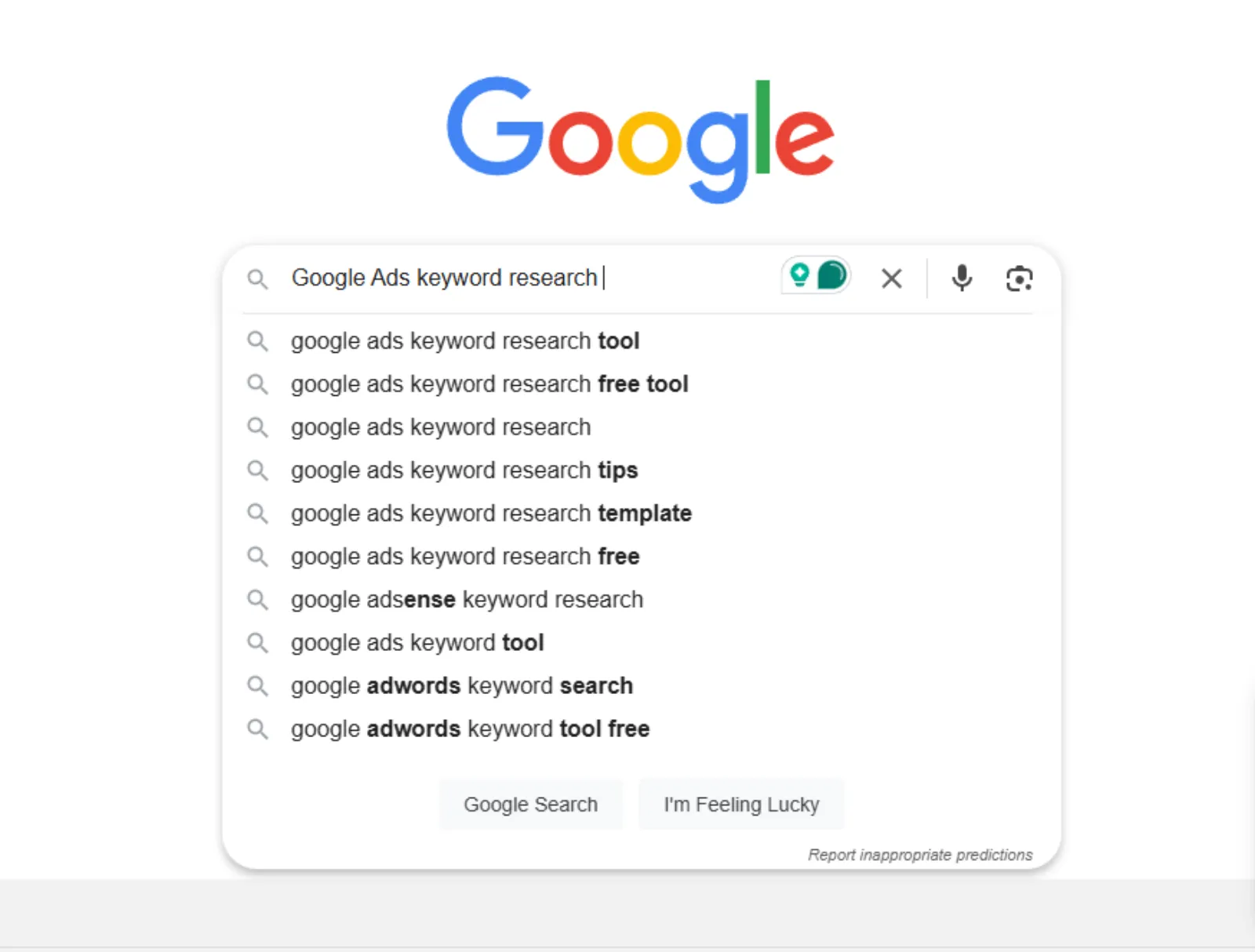
Start typing your product or service in the Google search bar. Watch what auto-fills. These suggestions are real searches. Scroll down and check “People Also Ask” and “Related Searches” too.
Reddit & Quora
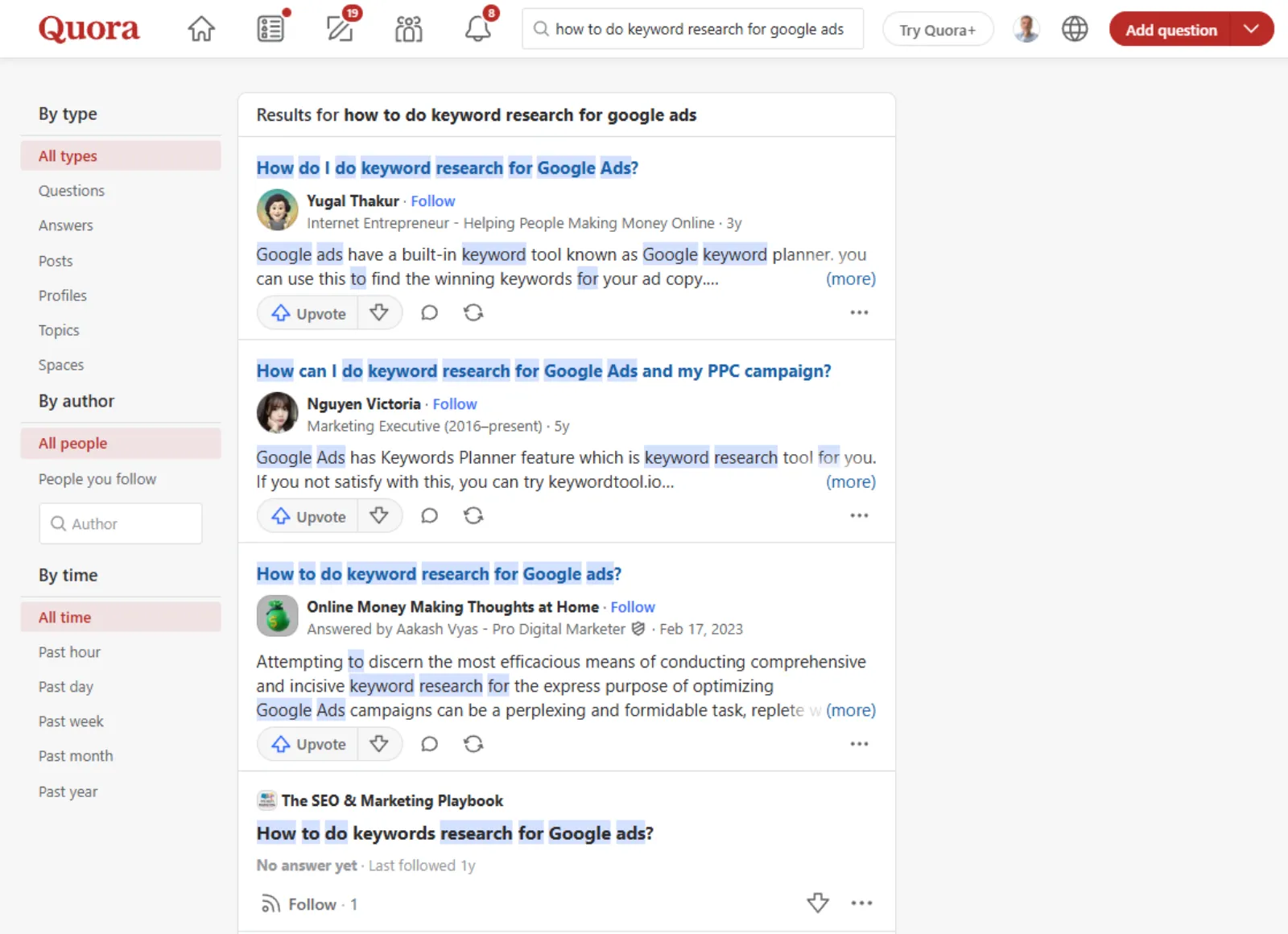
Search for your product or niche. See how people ask questions. Copy their words. These are your raw keywords. For example, someone might post: “How to do keyword research for Google Ads” That’s keyword gold.
Google Trends
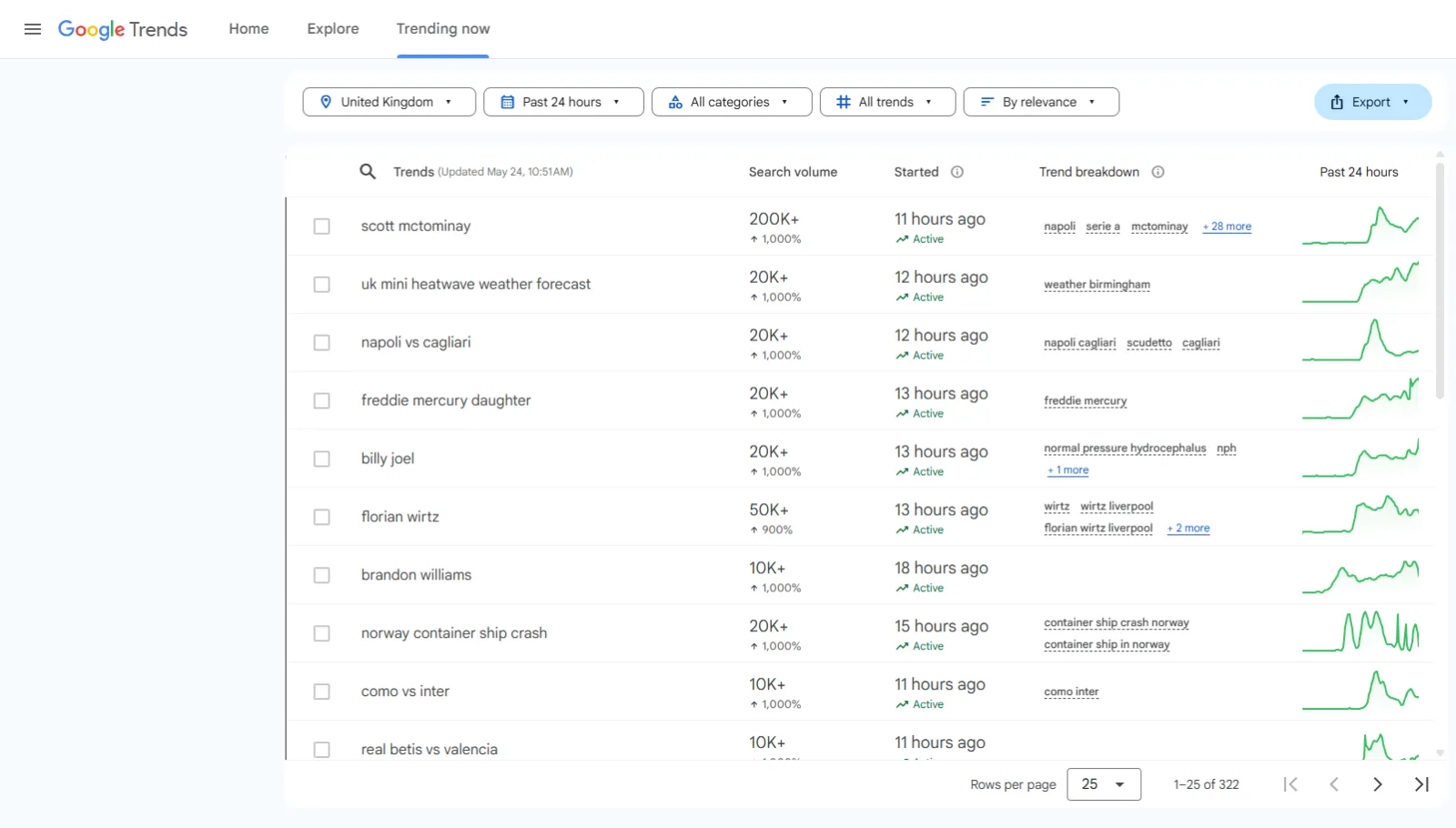
Want to know if a keyword is gaining interest? Google Trends helps you see what’s rising or falling. Compare terms to see which version gets more traction.
Group Keywords by Intent, Not Just Theme
You might already group keywords into ad groups by topic. That’s good. But what’s better is grouping by intent.
Here’s what I mean:
- Research intent: “best chairs for back pain”
- Comparison intent: “ergonomic chair vs gaming chair”
- Buying intent: “buy ergonomic chair online”
Each type needs a different ad and landing page. If you treat them the same, your Quality Score drops and your CPC goes up.
Pro tip: Use buying-intent keywords for your main campaigns. Test research-intent ones with cheaper CPCs and warm them up with remarketing later.
Spy On Your Competitors (But Be Smart About It)
Don’t blindly copy your competitors’ keywords. Instead, analyse them to spot gaps.
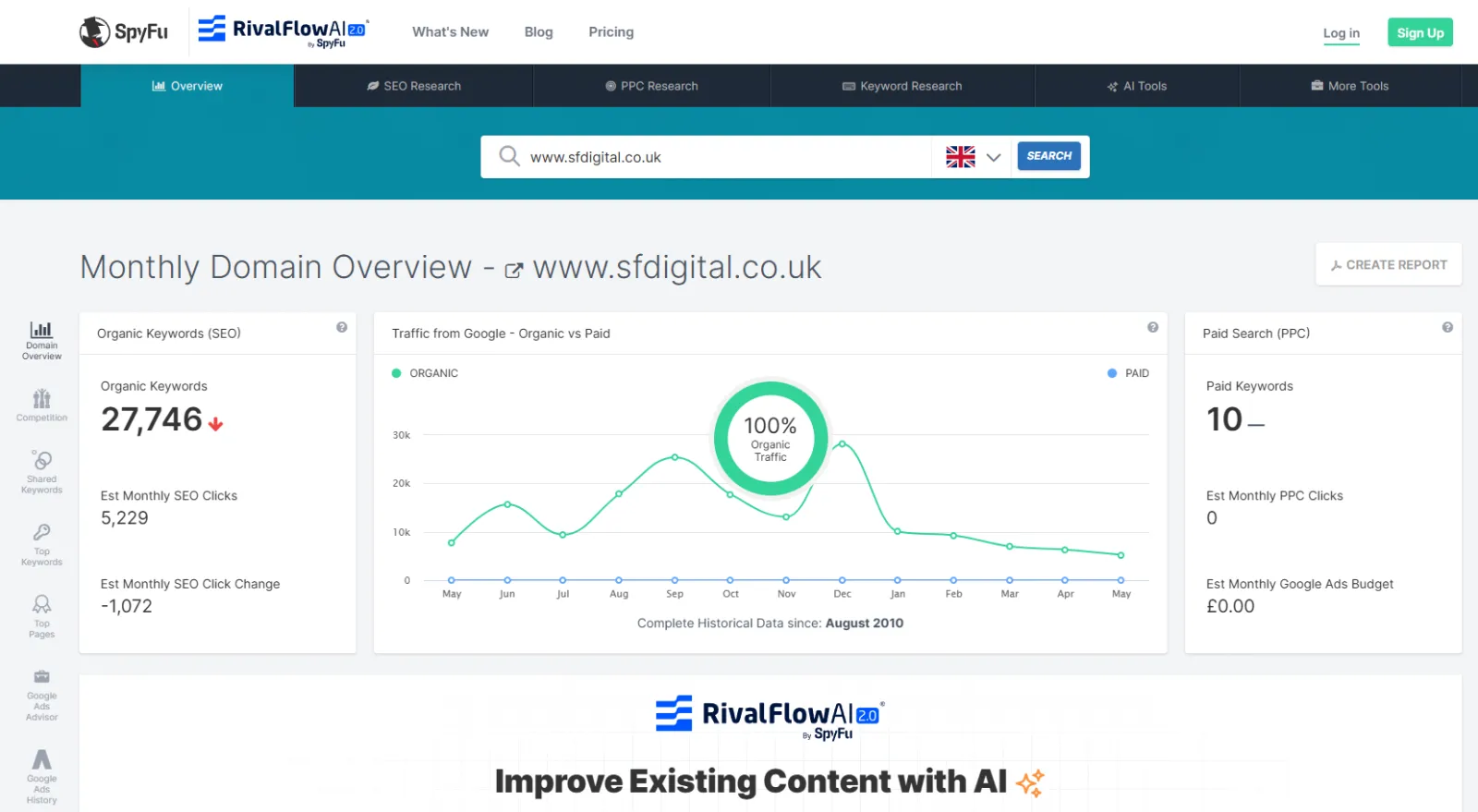
Use tools like:
- SpyFu or SEMrush to see what keywords others are bidding on.
- Look for keywords with medium traffic but low competition.
- Try to find what they’re missing, not just what they’re using.
Also, check their ad copy. If everyone is saying “Best Ergonomic Chair,” try something different like “Say Goodbye to Back Pain.”
 LIVE
Live every Tuesday at 2pm UK. Bring your marketing questions.
Get your Google, local SEO and AI questions answered live.
Don’t Ignore Long-Tail Keywords
Long-tail keywords are 3–5 word phrases like “best ergonomic chair for tall people.”
They don’t get a huge search volume. But here’s why they matter:
- They’re specific.
- They have higher intent.
- They usually cost less per click.
- They often convert better.
Build campaigns around clusters of long-tail keywords. Use match types like Phrase Match to keep your traffic relevant.
Match Type Still Matters
A lot of people ignore match types now that Broad Match has “improved.” But I’ve seen campaigns burn thousands because of lazy keyword matching.
Here’s a quick refresher:
- Exact Match = High control, low reach.
- Phrase Match = Good balance.
- Broad Match = Wide reach, but risky unless paired with strong audience signals.
For most advertisers, Phrase Match is the sweet spot. Broad Match can work, but only if you’re feeding Google enough data from past conversions.
Start narrow. Open up later.
Negative Keywords: Your Secret Weapon
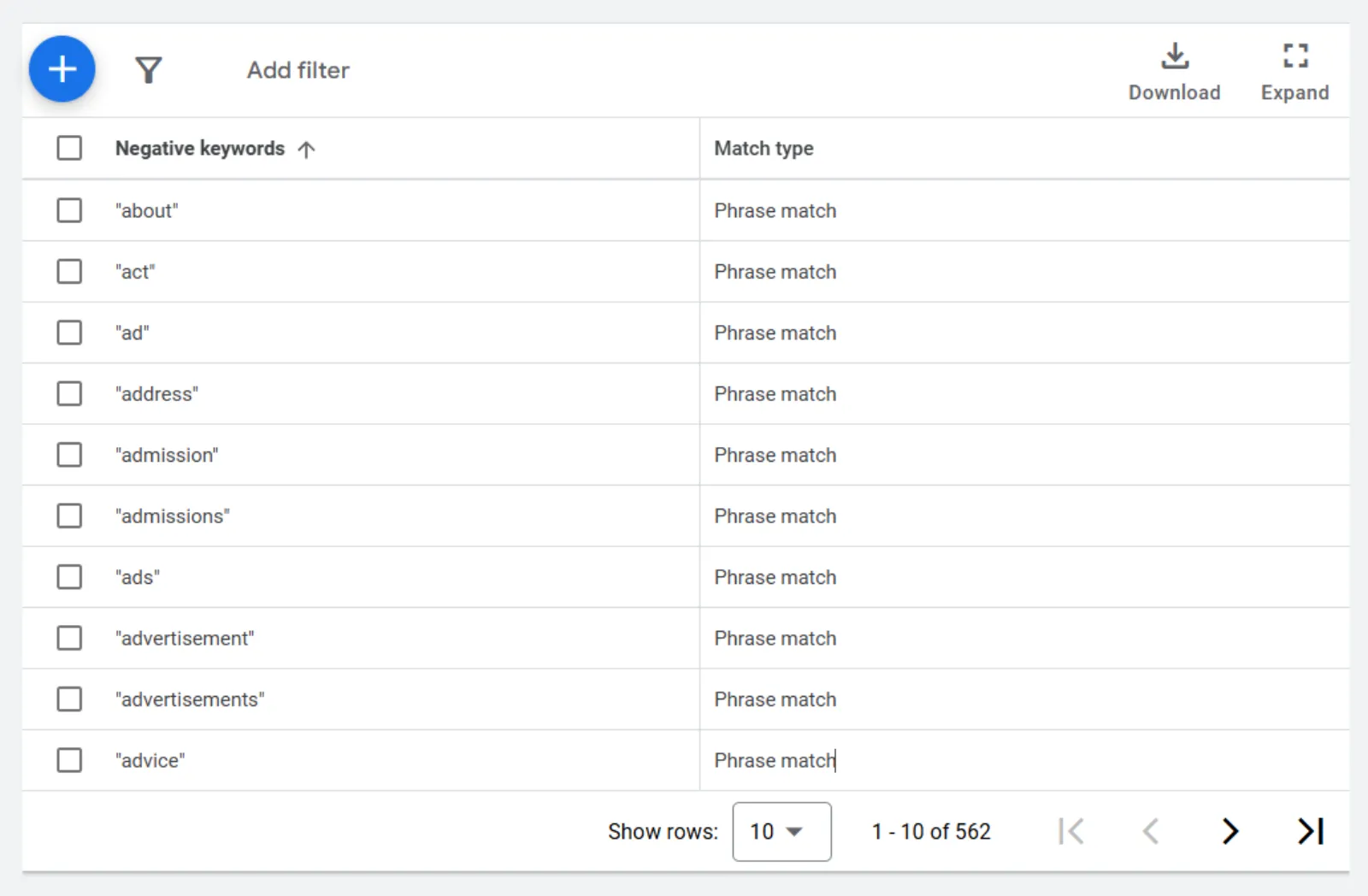
If you’re not using negative keywords, you’re leaving the door open to bad traffic.
Let’s say you’re selling premium chairs. You don’t want clicks from “cheap office chairs” or “DIY chair fixes.”
Build a negative keyword list early. Update it weekly. Look in the Search Terms Reportinside Google Ads and filter out irrelevant traffic fast.
It’ll instantly improve ROI.
Let Google Help (But Not Too Much)
Smart features in Google Ads, like keyword suggestions, Performance Max, and auto-recommendations, can be helpful. But don’t trust them blindly.
Use your research first. Then test Google’s suggestions in controlled ways.
Remember: Google’s goal is to spend your budget. Your goal is to spend it profitably.
Keep Testing and Tuning
Keyword research isn’t a one-time task. It’s a cycle.
- Test new keyword ideas.
- Cut the ones that don’t convert.
- Double down on winners.
- Keep refining your negatives.
Set a weekly routine to check your search terms and ad performance. Over time, this small habit can double or triple your results.
Quick Recap
Here’s everything wrapped up:
- Start with the problem, not the product
- Use free tools before jumping into paid ones
- Group keywords by intent
- Watch competitors, but don’t copy blindly
- Focus on long-tail keywords for better ROI
- Choose match types wisely
- Build and update negative keyword lists
- Use Google’s tools but stay in control
- Test, learn, repeat
Final Thoughts
In 2025, keyword research is more important than ever, but it doesn’t have to be complicated. If you focus on understanding your customer, using smart tools, and keeping control of your campaigns, you’ll get better results than 90% of advertisers.
Don’t get lost in AI hype or fancy dashboards. Just get the basics right, and stay consistent.
Because in Google Ads, small wins compound.

Written by Uzair Kharawala
Partner at SF Digital Studios, a Google Premier Partner agency. Uzair has been helping businesses grow with Google Ads since 2002 and teaches it every week on YouTube.
Get our best Google Ads tips by email
New articles and videos, straight to your inbox. Unsubscribe any time.