
Ever feel like your Google Ads are just… there? You’re spending money, getting clicks, but maybe not seeing the kind of results you hoped for. Or perhaps your costs feel a bit high for what you’re getting. If so, it’s a good bet you need to take a closer look at your Quality Score.
Think of Quality Score like your Google Ads report card. It’s a diagnostic tool that tells you how relevant and useful your ads are to the people who see them. It’s not something that directly affects your bank account every time someone clicks, but it plays a huge behind-the-scenes role in how much you pay and how often your ads show up.
Get Found, Get Chosen, Get Your Time Back
A free one-day marketing seminar in Milton Keynes · 10 November 2026
So, What Exactly IS Quality Score?
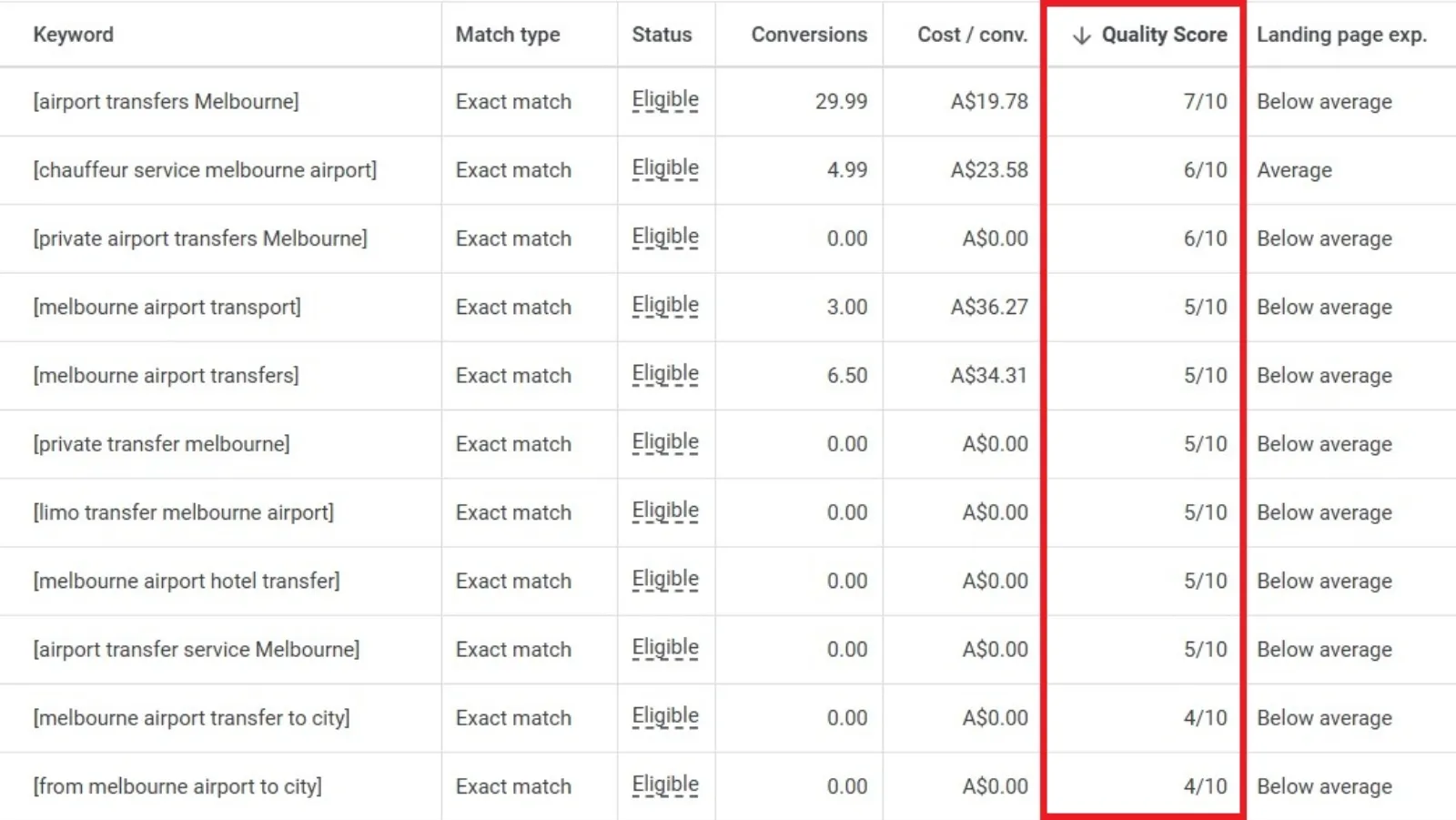
Google assigns your keywords a score from 1 to 10, with 10 being the best. This score is based on three main components:
Get your free Marketing Action PlanNot sure where to start? Answer a few questions and get your plan in about a minute. No email needed.
Get my plan →- Expected Click-Through Rate (CTR): This is Google’s prediction of how likely people are to click on your ad when it’s shown for that specific keyword. If your ads are super compelling and relevant, your expected CTR will be higher.
- Ad Relevance: This measures how closely your ad copy matches the intent behind the user’s search query. If someone searches for “red running shoes” and your ad talks about “blue hiking boots,” your ad relevance will be low.
- Landing Page Experience: Once someone clicks your ad, what happens next? Does your landing page quickly provide the information they were looking for? Is it easy to navigate? Is it mobile-friendly? A good landing page experience means visitors find what they need and have a positive interaction.
Google combines these three factors to give you that magic number.
 LIVE
Live every Tuesday at 2pm UK. Bring your marketing questions.
Get your Google, local SEO and AI questions answered live.
Why Does Quality Score Even Matter? (The “Why It Matters” Part)
Okay, so you have a number. Big deal, right? Well, it is a big deal because your Quality Score directly influences two crucial things:
- Ad Rank: This determines where your ad appears on the search results page. Your Ad Rank is calculated by multiplying your Max Bid (the most you’re willing to pay per click) by your Quality Score.
Ad Rank = Max Bid x Quality Score
This means even if a competitor bids higher than you, if your Quality Score is significantly better, your ad might still appear above theirs, or at least in a comparable position, for a lower cost. It’s like getting a better seat at the concert for the same price, or even less! - Cost Per Click (CPC): A higher Quality Score can lead to lower CPCs. Google essentially rewards you for providing a great user experience. If your ads are highly relevant and your landing pages are fantastic, Google doesn’t have to work as hard to show users what they’re looking for. This efficiency gets passed on to you in the form of lower costs.
Imagine this: you have a Quality Score of 8, and your competitor has a Quality Score of 4. To achieve the same Ad Rank, your competitor might have to bid double what you’re bidding. That’s a significant saving over time!
How to Boost Your Quality Score (The “How To Improve” Part)
Now for the actionable stuff! Improving your Quality Score isn’t about one quick fix; it’s about a holistic approach to your ad campaigns.
1. Master Your Keywords
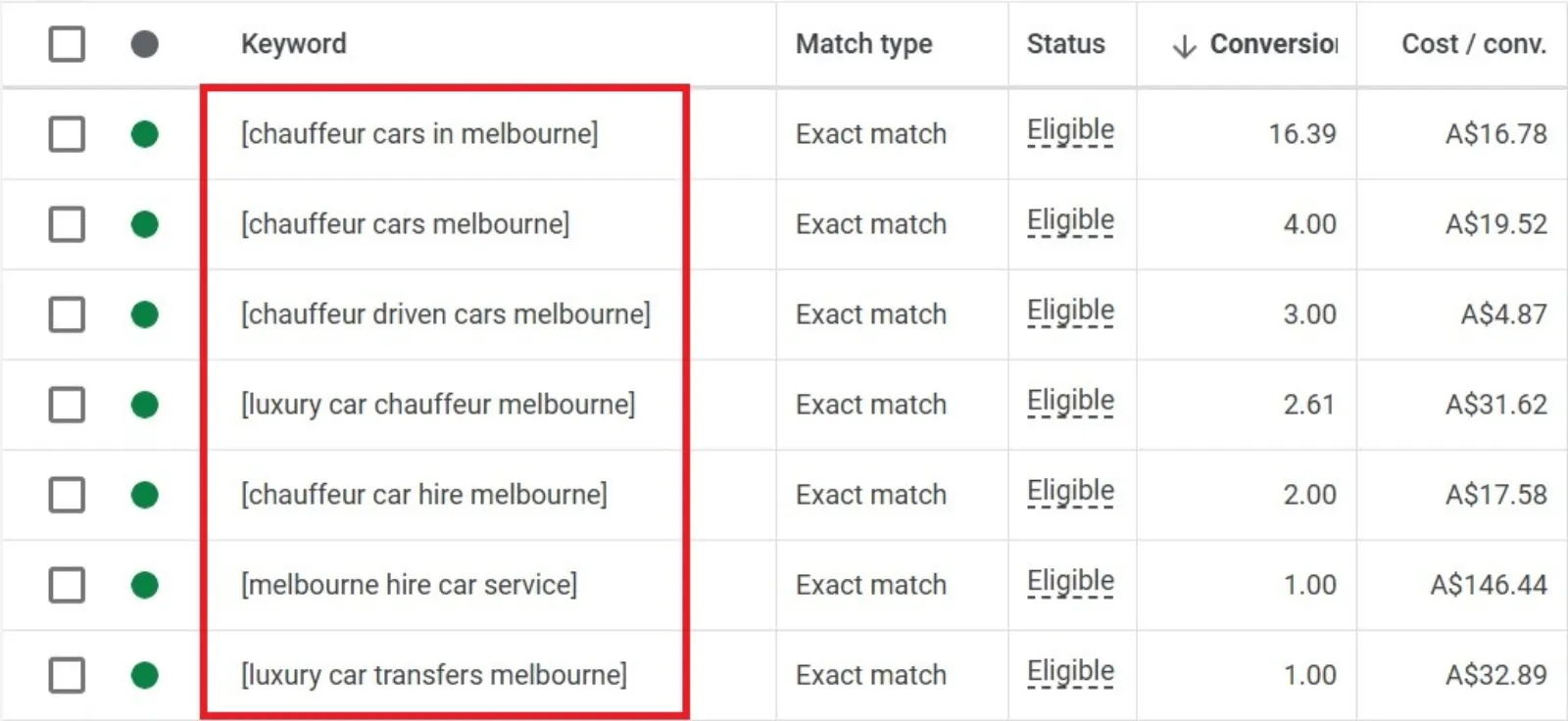
- Be Specific: Broad keywords cast a wide net, but they often lead to lower relevance. Instead of “shoes,” try “men’s waterproof hiking shoes size 10.” This ensures your ad is shown to people who are truly interested in what you offer.
- Use Negative Keywords: This is a big one! Negative keywords tell Google what searches you don’t want your ads to show for. If you sell high-end watches, you’d want to add “cheap” or “replica” as negative keywords. This prevents wasted clicks from people who aren’t your target audience and improves your ad relevance.
- Structure Your Ad Groups Wisely: Don’t throw all your keywords into one big ad group. Create tightly themed ad groups with very similar keywords. For example, one ad group for “red running shoes” and another for “blue running shoes.” This makes it much easier to write highly relevant ads for each group.
- Review Search Terms Report Regularly: This report shows you the actual search queries people used when your ads appeared. It’s a goldmine for finding new negative keywords and even new, highly relevant keywords to add to your campaigns.
2. Craft Compelling Ad Copy
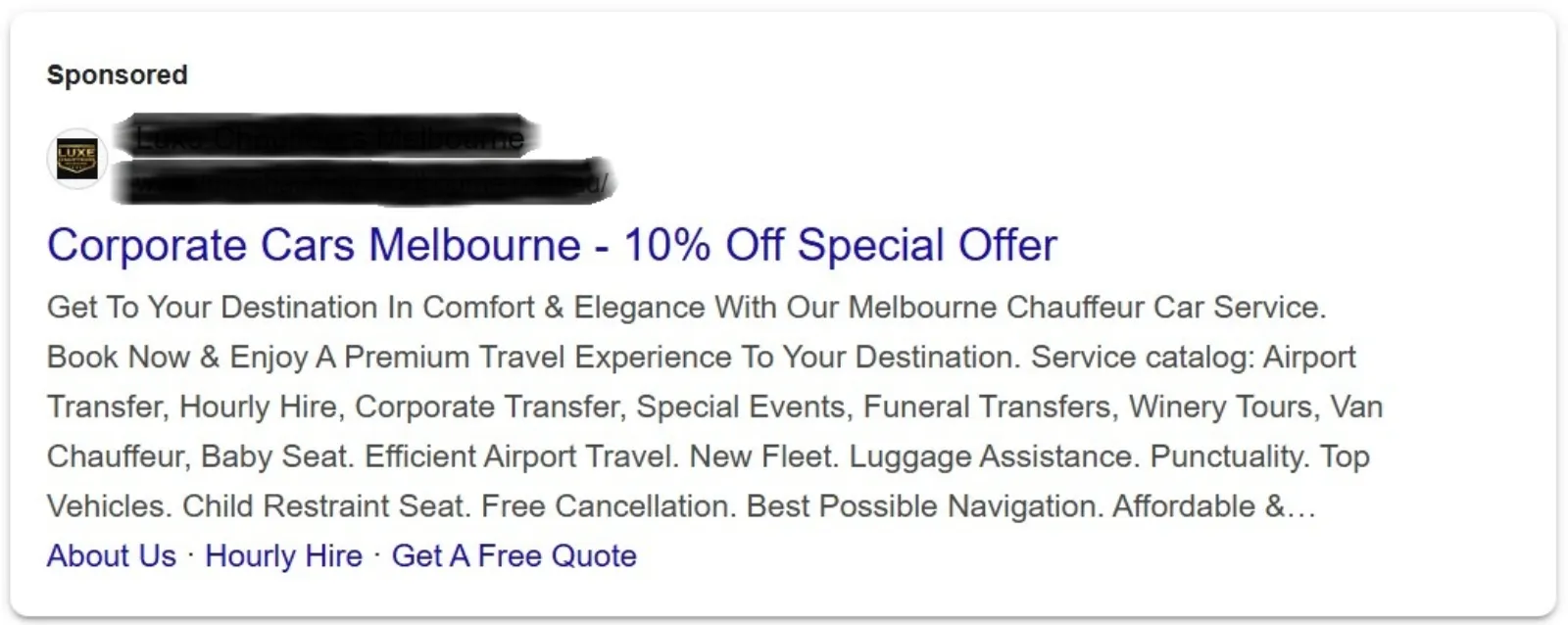
- Include Your Keywords: This might seem obvious, but it’s crucial. Make sure your target keywords appear in your headlines and descriptions. This directly impacts ad relevance.
- Match User Intent: Think about what someone is looking for when they type a query. Are they looking to buy, learn, or compare? Tailor your ad copy to match that intent. If they’re searching for “best running shoes for flat feet,” your ad should talk about features relevant to flat feet, not just generic running shoe benefits.
- Highlight Your Unique Selling Proposition (USP): What makes you different? Is it free shipping, a 30-day money-back guarantee, or award-winning customer service? Make sure this stands out.
- Use Strong Call-to-Actions (CTAs): Tell people exactly what you want them to do. “Shop Now,” “Get a Quote,” “Learn More,” “Download Ebook.”
- Leverage Ad Extensions: These are those little bits of extra information that appear with your ad, like site links, callouts, structured snippets, and call extensions. They make your ad bigger, more informative, and more appealing, which can significantly boost your expected CTR. They also provide more relevant information to the user before they even click.
3. Optimise Your Landing Page Experience

This is often the most overlooked part, but it’s essential. Your landing page is where the conversion happens, and a poor experience here can sink even the best ad.
- Relevance, Relevance, Relevance: Your landing page must deliver on the promise of your ad. If your ad talks about “discounted women’s boots,” the landing page should immediately show discounted women’s boots, not men’s shoes or full-price items.
- Fast Loading Speed: In today’s fast-paced world, people won’t wait for a slow-loading page. Use tools like Google’s PageSpeed Insights to check your speed and get recommendations for improvement. A slow page not only frustrates users but also negatively impacts your Quality Score.
- Clear and Concise Content: Get straight to the point. Use headings, bullet points, and short paragraphs to make the content easy to scan and digest.
- Mobile-Friendly Design: More and more people are searching on their phones. Your landing page must be responsive and look great on all devices. Google prioritises mobile-first indexing, so this is non-negotiable.
- Easy Navigation: Make it simple for visitors to find what they’re looking for, whether it’s product details, a contact form, or pricing information.
- Clear Call-to-Action: Just like your ad, your landing page needs a prominent and clear CTA that guides the user towards the desired action.
- Trust Signals: Include testimonials, security badges, and privacy policies to build trust with your visitors.
4. Monitor and Iterate
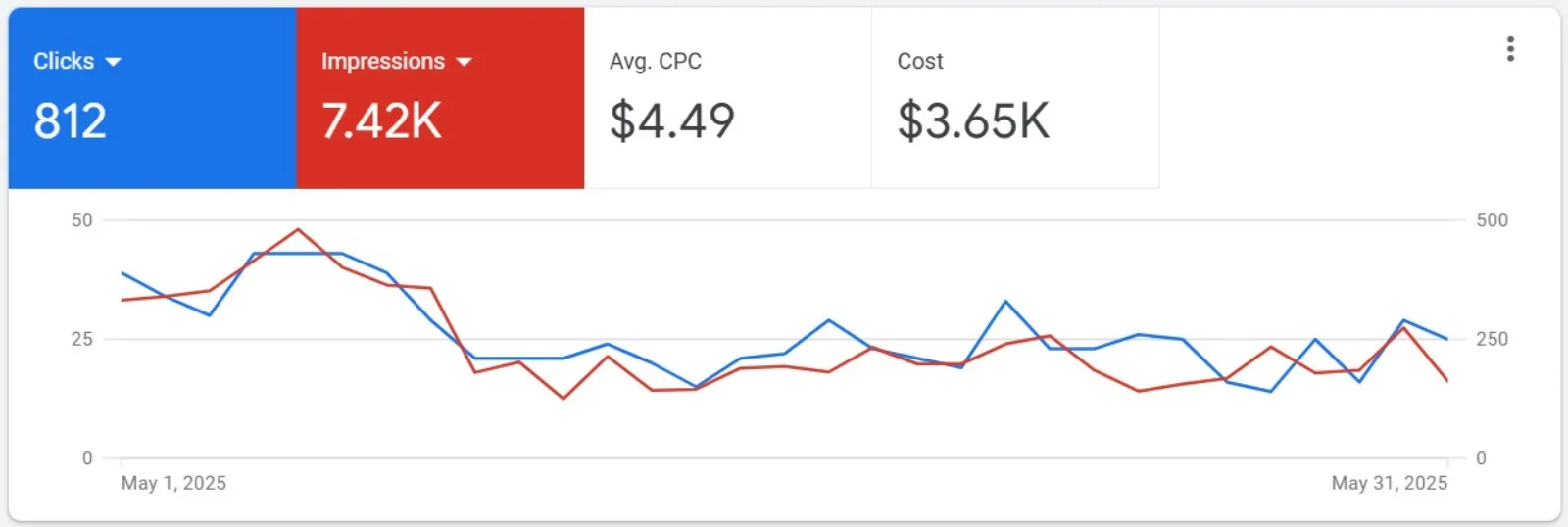
Improving Quality Score isn’t a “set it and forget it” task. It requires ongoing monitoring and adjustments.
- Regularly Check Your Quality Scores: In your Google Ads account, you can see the Quality Score for each of your keywords. Pay attention to those low scores (1-3) and prioritise improving them.
- Analyse Performance Data: Look at your CTRs, conversion rates, and CPCs. Low CTR might indicate an issue with your ad copy or ad relevance. High CPCs might point to a low Quality Score.
- A/B Test Your Ads: Create different versions of your ad copy and test them against each other to see which performs better. Even small changes can have a big impact on your CTR.
- Don’t Be Afraid to Pause Low-Performing Keywords: If a keyword consistently has a very low Quality Score and isn’t generating conversions despite your efforts, it might be time to pause it and focus your budget elsewhere.
The Takeaway
Improving your Google Ads Quality Score isn’t just about pleasing Google; it’s about providing a better, more relevant experience for your potential customers. When you focus on creating highly relevant ads that lead to excellent landing page experiences, you’ll not only see your Quality Score climb but also your ad performance soar. This translates to more efficient spending, better ad positions, and ultimately, more conversions and a stronger return on your advertising investment. So, roll up your sleeves and start optimising – your wallet (and your customers) will thank you!

Written by Uzair Kharawala
Partner at SF Digital Studios, a Google Premier Partner agency. Uzair has been helping businesses grow with Google Ads since 2002 and teaches it every week on YouTube.
Get our best Google Ads tips by email
New articles and videos, straight to your inbox. Unsubscribe any time.